Outdoor wall lighting plays a crucial role in enhancing both the functionality and aesthetics of garden spaces. It encompasses a variety of fixtures mounted on exterior walls to provide illumination that improves safety, highlights architectural features, and creates ambiance.
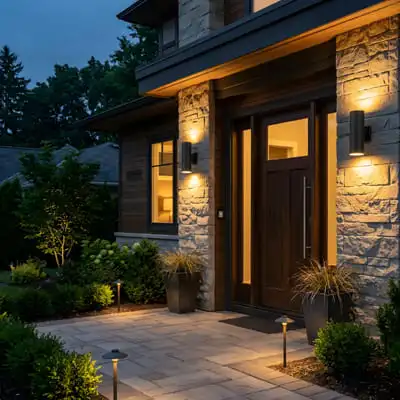
Choosing the right outdoor wall lighting requires understanding the distinct needs of different garden areas, from pathways and patios to decorative walls and entryways.
In this article, we dissect the core considerations for selecting outdoor wall fixtures tailored to specific garden environments.
We’ll explore fixture types, lighting effects, materials suitable for weather exposure, and energy efficiency, ensuring a comprehensive guide rooted in practical knowledge and expert insight.
The Essentials of Outdoor Wall Lighting Choice
- Outdoor wall lighting enhances safety, security, and visual appeal by illuminating key garden areas with fixtures designed for weather resilience.
- Choosing the right fixture depends on the garden zone’s function, ambient lighting needs, and architectural style, balancing brightness and aesthetics.
- Materials like aluminum, stainless steel, and weatherproof plastics ensure durability, but coatings and IP ratings are critical for longevity in outdoor conditions.
- LED technology offers superior energy efficiency, longevity, and versatility, making it the preferred choice for modern outdoor wall lights.
- Proper installation height and beam angle are decisive factors to avoid glare, maximize coverage, and complement the garden’s layout.
How to Select Outdoor Wall Lighting Fixtures for Different Garden Areas
Outdoor wall lighting fixtures come in diverse designs, each suited to particular garden zones depending on their purpose and desired effect. For instance, pathway wall lights focus on guiding footsteps safely, typically mounted low with downward-facing beams to avoid glare.
In contrast, sconces near patios and seating areas emphasize ambiance and social comfort, often casting soft, diffused light.
When selecting fixtures, consider the light distribution pattern: floodlights offer broad illumination for security purposes, while spotlights create focal points on garden art or plants.
Additionally, decorative lantern-style fixtures can enhance traditional garden aesthetics, whereas minimalistic wall washers complement modern landscapes.
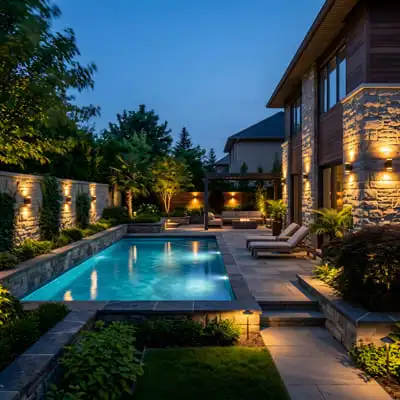
Materials and Durability Factors in Outdoor Wall Lighting
The outdoor environment demands fixtures that withstand moisture, temperature fluctuations, UV exposure, and occasional physical impact. Aluminum and stainless steel are common choices due to their corrosion resistance and strength. Powder-coated finishes add an extra layer of protection, preventing rust and fading.
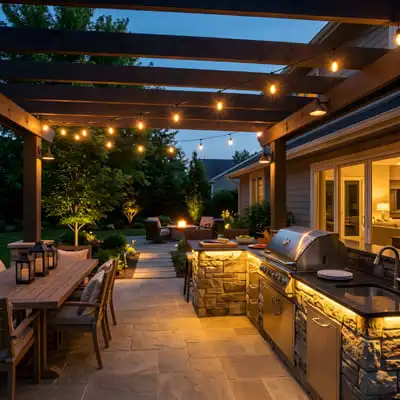
Plastic and polycarbonate fixtures, while less durable, provide cost-effective alternatives with high weather resistance when rated properly.
A critical specification to check is the IP (Ingress Protection) rating, which certifies protection against dust and water. For garden wall lighting, IP44 or higher is advisable to ensure reliable performance.
“Durability in outdoor wall lighting hinges not just on material, but on the fixture’s IP rating and finish quality, which collectively safeguard against environmental wear.”
Energy Efficiency and Lighting Technology Trends for Wall-mounted Garden Lights
LED lighting has transformed outdoor wall lighting by offering lower energy consumption, reduced heat emission, and longer lifespan compared to traditional incandescent or halogen bulbs. LEDs allow for greater design flexibility, including color temperature options from warm to cool light, enabling tailored ambiance control.
Solar-powered wall lights have gained traction as sustainable options, integrating photovoltaic panels with LED lamps.
Though solar efficiency varies with location and sun exposure, combining solar technology with advanced battery storage enhances autonomy for garden areas distant from power sources.Solar-powered wall lights have gained traction as sustainable options, integrating photovoltaic panels with LED lamps.
Though solar efficiency varies with location and sun exposure, combining solar technology with advanced battery storage enhances autonomy for garden areas distant from power sources.
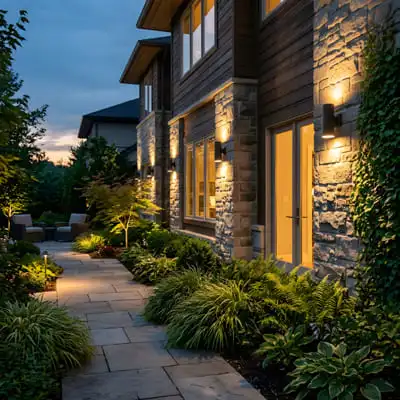
Installation Considerations and Best Practices for Outdoor Wall Lighting
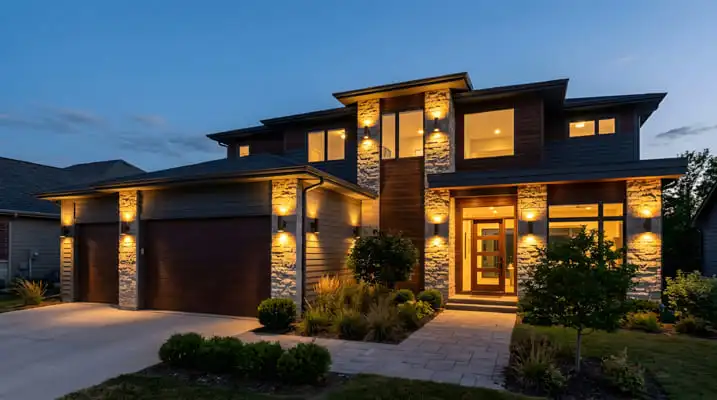
Effective outdoor wall lighting installation balances aesthetic goals with practical safety. The mounting height typically ranges from 5 to 7 feet, depending on the fixture and light spread. Too low can cause glare and obstruction; too high may reduce illumination efficiency.
Wiring must comply with local electrical codes, often requiring waterproof junction boxes and GFCI (Ground Fault Circuit Interrupter) protection. For DIY projects, low-voltage systems offer safer and simpler installations, though professional consultation is recommended for mains-powered fixtures.
“Installation quality directly influences wall lighting performance; poor positioning or inadequate weatherproofing can negate even the best fixture’s benefits.”
Design Tips to Harmonize Outdoor Wall Lighting with Garden Aesthetics
The interplay between lighting and garden design defines the outdoor experience. Coordinating fixture style with architectural elements ensures visual coherence. For example, rustic lanterns complement stone walls, while sleek linear fixtures suit contemporary façades.
Layering light—combining wall-mounted accents with ground-level and overhead lighting—creates depth and drama. Adjustable fixtures allow seasonal or event-based alterations, enhancing versatility. Lastly, selecting dimmable options and warm light tones helps maintain an inviting atmosphere during evening hours.
On a practical note, I once installed a pair of LED wall sconces flanking a garden gate. Positioning them slightly above eye level and angling downward eliminated glare while backlighting the climbing vines. This setup boosted security and added a welcoming glow without overpowering the space.
Frequently Asked Questions (FAQ)
What IP Rating is Ideal for Outdoor Wall Lighting Fixtures?
An IP rating of at least IP44 is generally recommended for outdoor wall lighting, ensuring protection against splashing water and solid objects larger than 1 millimeter. For locations exposed to heavy rain or direct water jets, IP65 or higher offers better durability. Always verify the rating to match the specific environmental conditions of your garden.
Can I Install Outdoor Wall Lighting Myself Safely?
Low-voltage outdoor wall lighting systems can often be installed by homeowners with basic electrical knowledge, provided they follow safety guidelines and local codes. However, mains-powered fixtures require professional installation to ensure compliance with electrical regulations, proper waterproofing, and risk mitigation.
How Does LED Technology Improve Outdoor Wall Lighting?
LEDs provide significant advantages including energy efficiency, longer lifespan, and reduced heat output. They also offer greater design options such as adjustable color temperatures and dimming capabilities. These features allow for customized ambiance while lowering maintenance and operating costs compared to traditional bulbs.
Are Solar-powered Wall Lights Effective for Garden Illumination?
Solar-powered wall lights are effective in areas with sufficient sunlight and minimal shading. They offer eco-friendly, wire-free installation but may produce less consistent brightness and shorter operating hours than wired alternatives. Battery quality and solar panel size are key factors influencing their performance.
What Are the Best Lighting Angles for Outdoor Wall Fixtures?
Optimal lighting angles depend on fixture type and garden area. Downward-facing lights reduce glare and light pollution, making them ideal for pathways and entryways. Adjustable fixtures can be angled to highlight architectural details or plants. Avoid direct eye-level illumination to prevent discomfort.

Architect with extensive experience in residential and commercial design, including renovations and modular construction. Love to share information about Architecture, home and lifestyle in this blog.