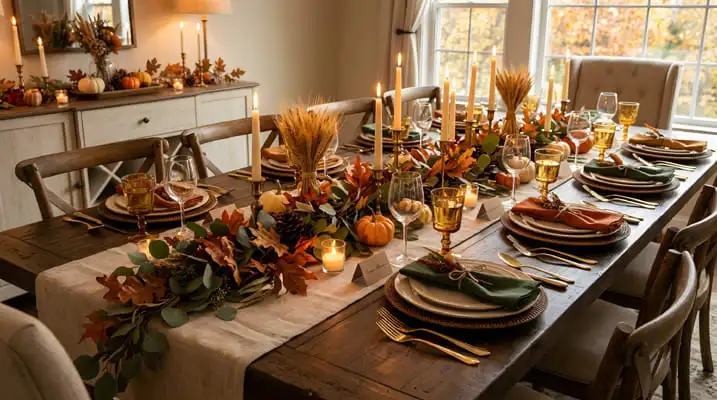
Setting a Thanksgiving table is an art that combines tradition, aesthetics, and hospitality. A well-arranged Thanksgiving table not only enhances the dining experience but also reflects the spirit of gratitude and togetherness central to the holiday.
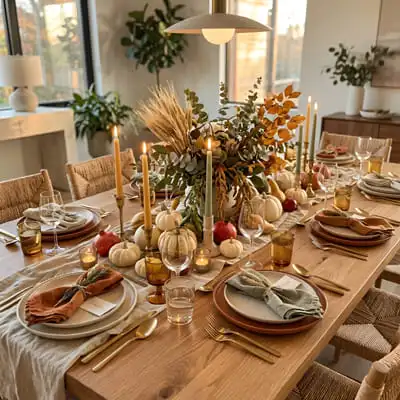
Understanding the key elements—from the placement of cutlery to selecting centerpieces—ensures a cohesive and inviting atmosphere for guests.
In this article, you will find a detailed guide on how to arrange a Thanksgiving table thoughtfully, including layering techniques, centerpiece ideas, and practical tips grounded in real-world experience.
Whether you host a large family gathering or an intimate dinner, mastering the Thanksgiving table setup elevates the entire celebration.
The Essentials for a Memorable Thanksgiving Table
- A Thanksgiving table’s arrangement balances functionality and visual appeal, ensuring guests have everything they need within reach while creating a warm ambiance.
- Layering table linens, dinnerware, and glassware follows specific etiquette that enhances both usability and style, signaling respect and care for guests.
- Centerpieces should complement the table without overwhelming it, using natural elements like pumpkins, candles, and seasonal foliage to anchor the design.
- Practical adjustments often depend on guest count, table size, and cultural variations, making flexibility key to an effective setup.
- Expert guidelines from hospitality and etiquette authorities, such as Emily Post Institute and Martha Stewart Living, inform best practices for an elegant yet comfortable Thanksgiving setting.
How to Set a Thanksgiving Table: Arrangement, Layers, and Centerpieces
At its core, the Thanksgiving table is a carefully curated space where guests gather to share a meal and express gratitude. Setting this table involves more than placing plates and silverware; it requires deliberate planning to harmonize utility and festivity. The arrangement starts with the tablecloth or runner, which sets the tone and color palette. Next comes layering with placemats or chargers—flat decorative bases that frame each setting and protect the table.
Proper placement of dinnerware follows a conventional pattern: plates center the setting, with forks to the left and knives and spoons to the right.
Glassware aligns above the knives, typically including a water glass and one or two wine glasses.
Napkins can be folded elegantly atop the plate or to the left, depending on the formality level. This setup respects dining etiquette while making the meal flow smoothly.
“The difference between a casual dinner and a memorable Thanksgiving lies in the intentionality of the table’s arrangement and the balance between aesthetics and function.”
Layering Techniques to Elevate the Dining Experience
Layering adds depth and texture to a Thanksgiving table, turning it from ordinary to extraordinary. Start with a base layer—often a neutral or warm-colored tablecloth—that complements the season’s palette. On top, add placemats or chargers made from materials like wood, woven fibers, or metallic finishes to introduce contrast and tactile interest.
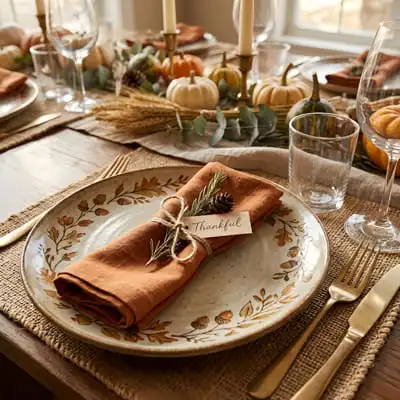
Next, dinnerware layers in size order: charger plates hold dinner plates, which in turn may hold salad plates or soup bowls. This layered approach not only looks polished but also guides the progression of the meal. Linen or cloth napkins folded with care add softness, and placing them under silverware or atop plates creates visual hierarchy.
In practice, layering must consider space constraints. For smaller tables, simplifying layers avoids clutter and preserves comfort. The goal is a table that invites diners to sit and enjoy without feeling overwhelmed by excess.
Choosing Centerpieces That Reflect Thanksgiving Spirit
Centerpieces are the Thanksgiving table’s focal point, setting the mood and often sparking conversation. The ideal centerpiece combines natural elements with subtle elegance. Classic options include pumpkins, gourds, pinecones, and autumn leaves arranged in low-profile displays that don’t obstruct sightlines.
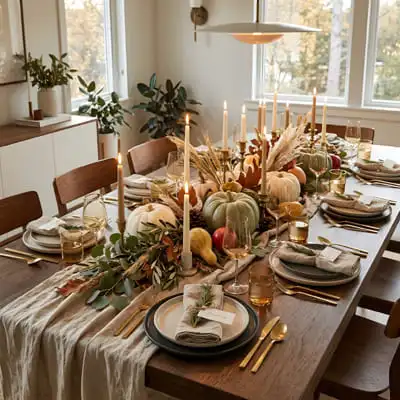
Candles add warmth and softness, but safety and practicality must guide their placement.
Battery-operated LED candles offer a safe alternative without compromising ambiance.
Floral arrangements featuring seasonal blooms like chrysanthemums or sunflowers can introduce color and fragrance, but should remain modest to avoid overpowering the table.
Viable centerpieces adapt to the size and shape of the table. Long rectangular tables benefit from a series of smaller arrangements or a continuous runner of natural elements, while round tables work well with a single medium-sized arrangement.
Incorporating Tableware and Decor for Functional Elegance
Beyond plates and centerpieces, the Thanksgiving table includes glassware, flatware, and decorative accents that contribute to the overall experience. Selecting quality, matching dinnerware enhances cohesion. Flatware should be placed according to the order of use, from the outside in, which helps guests navigate courses intuitively.
Glassware typically includes a water glass, a wine glass for red or white wine, and sometimes a champagne flute if sparkling beverages are served. Proper spacing between glasses prevents accidental tipping and allows comfortable reach.
Decorative elements like place cards, seasonal-themed chargers, and coordinated napkin rings elevate the experience without distracting from the meal. Including personalized touches fosters a sense of welcome and celebration.
Practical Tips and Common Challenges in Setting a Thanksgiving Table
Hosting Thanksgiving often means managing space limitations, diverse guest preferences, and time constraints. A key challenge is balancing tradition with practicality.
For example, formal settings may intimidate some guests, so a relaxed approach that maintains order but reduces stiffness often works best.
One practical tip is to pre-set as much as possible before guests arrive, freeing the host to focus on food and hospitality.
Accommodating dietary needs or extra guests requires flexibility in seating and place settings. Additionally, lighting plays a critical role—natural light during the day or warm, indirect lighting in the evening enhances ambiance without glare.
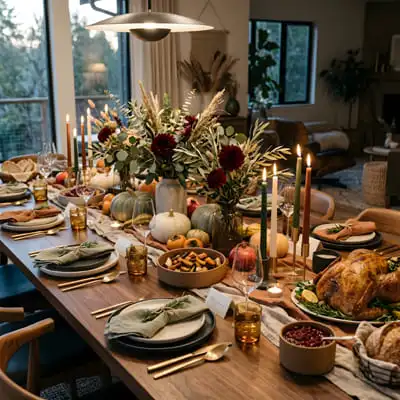
From experience, mismatched tableware can be harmonized by unifying color tones or adding a neutral table runner. These small adjustments preserve elegance while embracing imperfect realities.
“In practice, what matters is that an inviting atmosphere on Thanksgiving Day depends not just on beauty, but on functionality and the sense of warmth that the table provides..”
What to Do Now: Applying These Principles to Your Thanksgiving Table
Putting these principles into practice transforms your Thanksgiving table from a simple meal setup into a meaningful centerpiece of the holiday. Start by selecting a color scheme reflective of autumn hues and gather layered linens accordingly. Plan your place settings with both etiquette and guest comfort in mind. Choose centerpieces that fit your table size and personal style, prioritizing natural elements and clear sightlines.
Test your layout before guests arrive, making adjustments for flow and space. Incorporate small personalized details that speak to your guests and the spirit of gratitude. This approach ensures your Thanksgiving table is not only visually stunning but also fosters connection and ease throughout the celebration.
Frequently Asked Questions (FAQ)
What is the Traditional Arrangement for a Thanksgiving Dinner Table?
The traditional arrangement places the dinner plate in the center with forks on the left and knives and spoons on the right, following formal dining etiquette. Glassware, including water and wine glasses, sits above the knives. Napkins are often folded on the plate or to the left side. This setup balances formality with functionality, allowing guests to navigate courses easily and enjoy the meal without confusion.
How Can I Choose an Appropriate Centerpiece for My Thanksgiving Table?
Choose a centerpiece that complements the size and shape of your table without obstructing guests’ views. Natural elements like pumpkins, gourds, autumn leaves, and low floral arrangements work well. Avoid tall or bulky decorations that interfere with conversation. Incorporating candles or LED lights adds warmth, but safety should always be a priority. Consider the overall color scheme and aim for harmony with your table linens and dinnerware.
Are There Layering Rules I Should Follow When Setting the Table?
Layering typically starts with a base tablecloth or runner, followed by placemats or chargers, then dinnerware stacked by course order. Napkins and flatware are placed according to use sequence, usually from the outside in. Layering adds visual interest and helps organize meal progression. However, keep layers simple if your table space is limited to avoid clutter and maintain comfort for diners.
How Do I Accommodate Extra Guests When My Table is Small?
When space is limited, consider adding a secondary table or using bench seating to maximize capacity. Simplify place settings by reducing decorative layers or using stackable dinnerware. Rotate seating if necessary, and focus on creating a cozy atmosphere rather than strict formality. Flexibility and prioritizing guest comfort ensure everyone feels welcome despite space constraints.
What Lighting Works Best for a Thanksgiving Table Setting?
Soft, warm lighting enhances the Thanksgiving ambiance. Natural daylight is ideal when available, but for evening meals, use dimmable overhead lights or multiple candles placed safely around the table. Avoid harsh or direct lighting that can create glare. Battery-operated candles can provide a safe and flexible alternative. The goal is to create a cozy, inviting environment that encourages relaxation and conversation.

Architect with extensive experience in residential and commercial design, including renovations and modular construction. Love to share information about Architecture, home and lifestyle in this blog.