Last updated on September 14th, 2026 at 05:27 pm
Rose gardens have long been treasured as symbols of beauty, romance, and thoughtful landscape design. More than just collections of flowering plants, these gardens embody a deliberate integration of horticulture, climate awareness, and human interaction with the environment. A rose garden is a carefully curated outdoor space where different species of roses are cultivated for their aesthetic qualities, fragrance, and seasonal appeal.
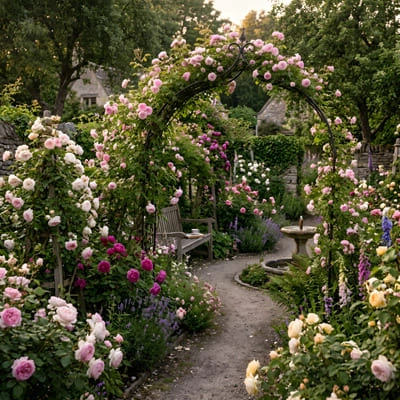
In residential settings, these gardens serve as intentional retreats that shape the way people experience nature, offering calm and slow moments amid daily life.
Understanding why rose gardens continue to influence romantic landscapes requires more than admiring their flowers. It involves recognizing the architectural principles behind their layout, the ecological considerations guiding plant selection, and how the space encourages social and solitary engagement. This article explores the multifaceted nature of rose gardens, revealing their ongoing significance in both historical and contemporary contexts.
The Essentials of Rose Gardens
- Rose gardens combine horticultural expertise with architectural design to create spaces that are both beautiful and functional in residential environments.
- Choosing rose varieties suited to local climate conditions is critical for sustainable maintenance and long-lasting bloom cycles.
- Seamless integration of pathways, seating, and planting beds transforms rose gardens into intentional places for reflection and social connection.
- Historical and cultural associations with roses have shaped garden design traditions worldwide, influencing how romantic landscapes evolve today.
- Despite their elegance, rose gardens require careful management of soil, water, and pest control to ensure their health and visual appeal.
How Rose Gardens Define the Romantic Landscape in Residential Design
Rose gardens are more than decorative elements; they are architectural statements that reflect the occupant’s relationship with nature and leisure.
In residential design, these gardens offer a structured yet organic space that balances visual symmetry with natural growth patterns.
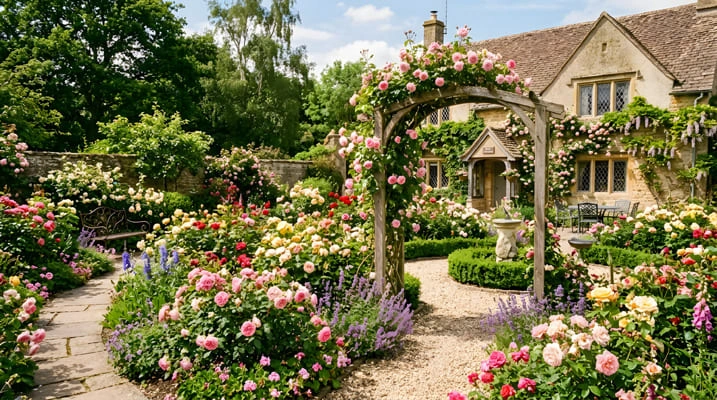
The romantic landscape created by a rose garden is defined by deliberate spatial arrangements, including geometric beds, winding paths, and focal points such as arbors or fountains.
These features invite slow movement and prolonged appreciation, catering to the human scale and daily rhythms.
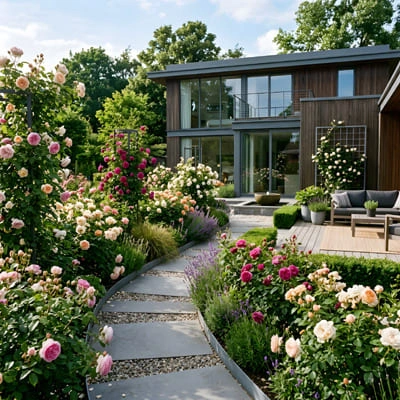
The choice of rose cultivars significantly impacts the garden’s character. Hybrid teas, climbers, and shrub roses each contribute unique textures and bloom patterns, allowing designers to craft layered visual narratives throughout the seasons. Incorporating companion plants that support pollinators or provide contrasting foliage enhances biodiversity, aligning with climate-aware landscaping principles.
“The essence of a rose garden lies not simply in its flowers but in how it choreographs human experience through spatial rhythm and sensory engagement.”
Climate Considerations for Sustainable Rose Garden Planning
Climate plays a decisive role in the success of a rose garden, dictating species selection, planting schedules, and maintenance regimes. Roses thrive under specific conditions—well-drained soil, adequate sunlight, and moderate humidity. However, these ideal conditions vary widely depending on the local environment. For example, Mediterranean climates favor drought-tolerant varieties with deep root systems, while temperate regions support a broader range of cultivars that require winter chill hours for proper dormancy.
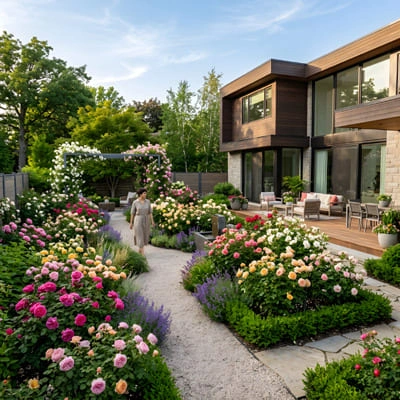
Water management is another critical aspect. Efficient irrigation methods, such as drip systems and rainwater harvesting, reduce resource consumption while ensuring plants receive consistent moisture.
Additionally, mulching and soil amendments improve retention and protect roots from temperature extremes. These strategies create resilient rose gardens that endure climate fluctuations without compromising aesthetic quality.
Integrating Rose Gardens Into Everyday Residential Life
From an architectural perspective, rose gardens are designed to harmonize with the routines and needs of their inhabitants. This means considering sightlines from living spaces, accessibility, and multi-functional use. Seating areas positioned within or adjacent to rose beds encourage quiet contemplation or intimate gatherings. Moreover, the sensory appeal—fragrance, color, texture—enhances psychological well-being, making the garden a restorative environment.
Practical insights from landscape architects show that rose gardens perform best when they accommodate seasonal changes and human activity patterns.
For example, placing early-flowering species near main entrances signals seasonal transitions, while thornless varieties in high-traffic zones minimize injury risks.
These nuanced decisions demonstrate how rose gardens are living systems intertwined with daily life rather than static displays.
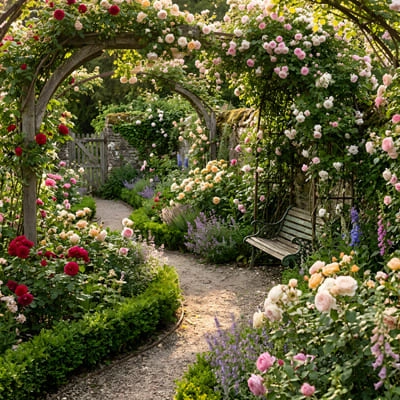
Historical and Cultural Roots That Shape Modern Rose Gardens
The tradition of rose gardens dates back thousands of years, with origins in ancient Persia, Rome, and China, where roses were prized for their beauty and symbolism. Over centuries, European formal gardens, such as those designed in Renaissance Italy and French châteaux, refined the rose garden into a stylized element of romantic landscaping. These historical frameworks influence contemporary designs by emphasizing symmetry, axial paths, and thematic planting.
Today’s rose gardens blend these legacies with modern principles of ecological stewardship and residential functionality. Public institutions like the American Rose Society and research from botanical gardens provide ongoing knowledge that informs best practices in cultivation and garden management. This fusion of tradition and innovation keeps rose gardens relevant and meaningful.
Challenges and Limitations in Maintaining Rose Gardens
Despite their allure, rose gardens demand attentive care and face several challenges that can impact longevity and health. Pests such as aphids and diseases like black spot require regular monitoring and integrated pest management strategies. Additionally, soil depletion and harsh weather events can stress plants, necessitating adaptive maintenance approaches.
Not every climate or residential context suits traditional rose gardens. Some environments may favor native flowering shrubs or mixed perennial beds that offer similar sensory benefits with less upkeep. Homeowners and designers must evaluate these factors carefully to ensure that rose gardens remain sustainable and enjoyable rather than burdensome.
“Rose gardens flourish where expertise meets patience; without this balance, their elegance can quickly give way to neglect.”
What to Do Next with Your Rose Garden Ambitions
To create or enhance a rose garden that truly shapes a romantic and functional landscape, begin by assessing your local climate and soil conditions. Select rose varieties that align with these factors and plan the garden layout around human use patterns and architectural context. Consider integrating companion plants and sustainable irrigation systems to bolster resilience.
Most importantly, approach the garden as a living, evolving space that invites interaction and care.
Exploring resources from horticultural societies and engaging with experienced landscape architects can deepen understanding and provide practical guidance.
Testing small planting areas before full-scale implementation also helps refine choices. By grounding design decisions in expertise and lived experience, rose gardens can thrive as intentional retreats that enrich residential life.
Frequently Asked Questions (FAQ)
What Are the Key Factors to Consider When Starting a Rose Garden at Home?
Successful rose gardens depend on selecting rose varieties suited to your climate, ensuring proper soil drainage, and providing adequate sunlight—typically at least six hours per day. Planning for irrigation, soil amendments, and pest management is also essential. Additionally, designing pathways and seating areas that encourage use and enjoyment helps integrate the garden into daily life. Early assessment of these elements leads to healthier plants and a more rewarding garden experience.
How Do Different Types of Roses Affect Garden Design and Maintenance?
Hybrid teas, climbers, shrub roses, and species roses each have distinct growth habits, bloom cycles, and care requirements. Climbers can create vertical interest on trellises, while shrub roses fill beds with dense foliage and blooms. Hybrid teas often provide large, showy flowers but may need more frequent pruning and disease control. Understanding these differences allows for a balanced design that distributes maintenance efforts and keeps the garden visually engaging across seasons.
Can Rose Gardens Be Sustainable and Climate-resilient?
Yes, sustainable rose gardens are achievable by selecting drought-tolerant or disease-resistant cultivars, employing efficient irrigation techniques like drip systems, and using organic mulches to conserve moisture. Soil health should be maintained through composting and minimal chemical inputs. Incorporating companion plants that attract beneficial insects further supports ecological balance. However, sustainability depends on adapting practices to local climate nuances and ongoing care.
What Are Common Challenges in Maintaining Rose Gardens, and How Can They Be Mitigated?
Common challenges include pest infestations, fungal diseases, soil nutrient depletion, and damage from extreme weather. Integrated pest management (IPM) combining biological controls, selective pruning, and targeted treatments helps reduce chemical reliance. Regular soil testing and amendments maintain fertility. Protecting plants during temperature extremes with covers or windbreaks also improves resilience. Consistent monitoring and timely intervention are key to overcoming these challenges.
How Has the Historical Significance of Roses Influenced Modern Garden Design?
Roses have long symbolized love, beauty, and status, shaping garden layouts from ancient Persian courts to European formal gardens. These traditions emphasize symmetry, axial paths, and thematic planting, which persist in contemporary designs. Modern rose gardens blend these aesthetics with ecological and functional considerations, reflecting an evolution from purely ornamental spaces to integrated environments that support biodiversity and human well-being.

Architect with extensive experience in residential and commercial design, including renovations and modular construction. Love to share information about Architecture, home and lifestyle in this blog.