Home safety and comfort become paramount as people age, necessitating specific modifications tailored to the needs of seniors. Among the most critical areas to address are bathrooms, flooring, and lighting, as these directly impact mobility, fall prevention, and overall quality of life. Properly adapted living spaces enable elderly individuals to maintain independence longer, reduce injury risk, and provide caregivers with peace of mind.
This article explores targeted home modifications for seniors, focusing on practical improvements in bathrooms, flooring, and lighting. These changes are backed by technical insight and real-world experience, ensuring they meet both safety standards and daily usability. Understanding the reasoning behind each modification, along with potential limitations, helps homeowners and caregivers make informed decisions tailored to individual circumstances.
The Essentials for Senior Home Modifications
- Bathrooms pose the highest risk for falls among seniors; installing grab bars, walk-in tubs, and non-slip surfaces significantly reduces accidents.
- Flooring materials must balance slip resistance and ease of movement; choices like low-pile carpet or textured vinyl outperform hardwood or tile in preventing falls.
- Lighting adjustments should minimize shadows and glare while enhancing visibility, using layered lighting and motion sensors to support safe navigation.
- Not all modifications suit every senior; cognitive and physical abilities vary widely, requiring personalized assessment before implementation.
- Reliable sources such as the CDC and AARP emphasize that well-planned home adaptations can reduce falls by up to 50%, underscoring their critical role in senior care.
Why Bathroom Modifications Are Crucial for Senior Safety
Bathrooms are among the most hazardous areas in a home for seniors, accounting for nearly one-third of all falls in older adults, according to the Centers for Disease Control and Prevention (CDC). This is primarily due to wet surfaces, tight spaces, and the need for balance during activities like bathing and toileting. Effective bathroom modifications prioritize stability, accessibility, and reducing slip hazards.
Key elements include installing grab bars near toilets and inside showers or tubs. These provide sturdy handholds that dramatically improve balance and confidence. Walk-in tubs or curbless showers eliminate the risk of tripping over high edges, a common cause of injury. Additionally, replacing slick tiles with textured, non-slip flooring reduces the chance of falls when the floor is wet.
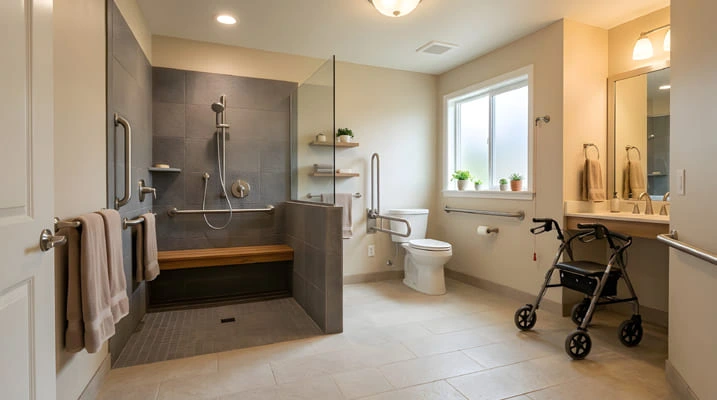
One practical example is a client with limited mobility who switched from a traditional bathtub to a walk-in model with built-in seating and grab bars. This adjustment transformed an area previously avoided due to fear of falling into a safe, usable space that supports daily hygiene routines independently.
“Bathroom safety modifications are the single most effective strategy to reduce fall-related injuries in seniors, cutting risks by nearly half when properly implemented.”
Choosing the Right Flooring to Prevent Falls and Enhance Mobility
Flooring selection plays a pivotal role in senior home safety. Falls often occur because of slippery or uneven surfaces, so choosing materials that provide traction without impeding movement is essential. Hard surfaces like polished hardwood or ceramic tile can be hazardous, especially when wet.
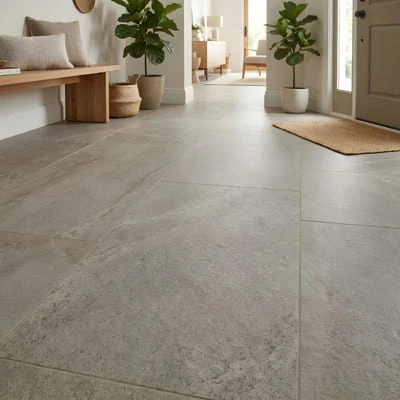
Low-pile carpeting with firm padding offers a compromise: it cushions falls without creating tripping hazards.
Alternatively, textured vinyl flooring combines slip resistance with easy cleaning and durability. Avoiding loose rugs or mats is crucial, as these can slip or bunch up, causing trips.
In practice, I have observed that seniors benefit from flooring that supports assistive devices such as walkers or canes.
For example, one family replaced slippery kitchen tile with a slip-resistant vinyl, which improved the senior’s confidence to move around without fear of slipping.
Optimizing Lighting to Support Senior Vision and Safety
Lighting is often underestimated in its impact on senior safety. As people age, their eyes require more light for the same tasks, and contrast sensitivity declines.
Poor lighting can create shadows or glare that obscure obstacles, increasing fall risks.
Layered lighting strategies—combining ambient, task, and accent lighting—help create evenly lit spaces.
Installing brighter bulbs with a color temperature around 3000K to 4000K mimics natural light without harshness.
Motion-activated night lights in hallways and bathrooms prevent risky navigation in darkness.
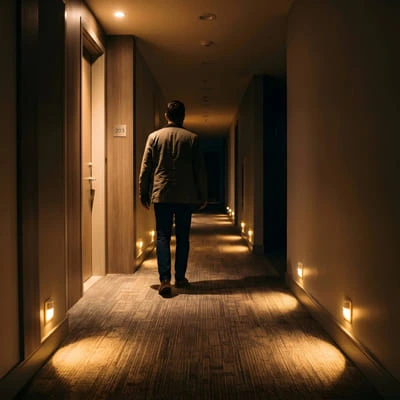
A critical insight from ophthalmology research (American Academy of Ophthalmology, 2023) indicates that seniors with early cataracts or macular degeneration benefit enormously from glare reduction and increased overall illumination. One household installed dimmable LED fixtures and motion sensors, which immediately reduced nighttime falls.
“Effective lighting is not just about brightness but about reducing shadows and glare that confuse and disorient seniors during daily movement.”
Balancing Universal Design and Personalized Needs in Senior Home Modifications
While universal design principles provide a strong framework for senior-friendly homes, customization remains essential. Physical abilities, cognitive function, and personal preferences vary widely among the elderly population. What works well for one individual can be ineffective or even risky for another.
For example, a senior with arthritis may require lever-style faucets and easy-open cabinets, whereas someone with mild dementia might benefit more from clear visual cues and simplified layouts. This highlights the importance of conducting thorough assessments, ideally with occupational therapists or certified aging-in-place specialists.
This balanced approach ensures that modifications not only meet generic safety standards but also enhance quality of life by respecting autonomy and comfort. It’s important to recognize that some interventions might work well under certain conditions but fail in others, such as grab bars installed in improper locations causing awkward movement patterns.
Integrating Technology and Smart Solutions in Senior Living Spaces
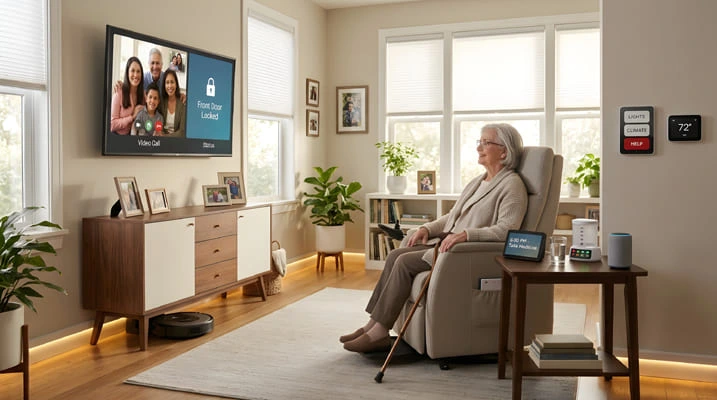
Modern technology increasingly complements traditional home modifications in enhancing senior safety and convenience. Smart lighting systems that adjust automatically based on time of day or detected movement reduce the risk of falls during night hours. Voice-activated controls and emergency alert systems add layers of security and independence.
However, technology requires user friendliness and reliability to be effective. Seniors with limited tech experience may find overly complex systems frustrating. Therefore, integration must consider ease of use and backup options. For instance, combining manual override switches with automated lighting ensures continuous functionality.
Emerging trends also include sensor-based flooring that detects falls and alerts caregivers instantly, providing rapid response opportunities. These innovations, when combined with structural modifications, create safer, more adaptable living environments that support aging in place.
What to Do Now: Planning and Prioritizing Senior Home Modifications
Assessing and implementing home modifications for seniors starts with a thorough evaluation of the individual’s physical abilities, lifestyle, and risk factors. Begin by identifying high-risk areas, with the bathroom and pathways as top priorities. Consult professionals specializing in aging-in-place design or occupational therapy to develop a tailored plan.
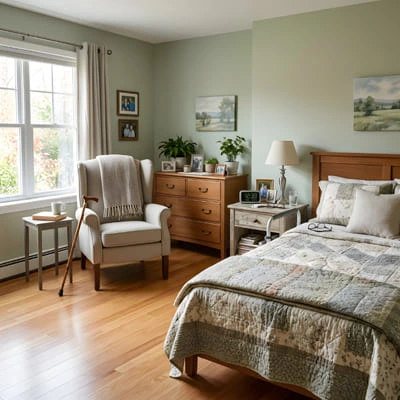
Prioritize modifications based on impact and budget.
Small changes like adding grab bars or improved lighting can offer immediate safety benefits, while larger projects such as installing walk-in tubs or replacing flooring may require phased investment.
Testing modifications progressively allows adjustments before full commitment.
Taking action to adapt the home environment is an investment in longevity and quality of life, reducing future healthcare costs and preserving independence.
Validate your plan with reputable sources and consider feedback from the senior occupant to ensure acceptance and sustained use.
Frequently Asked Questions (FAQ)
What Are the Most Common Home Hazards for Seniors?
The most frequent hazards include slippery bathroom floors, loose rugs, inadequate lighting, and cluttered pathways. Bathrooms, kitchens, and stairways often pose significant risks due to wet surfaces, sharp corners, and poor visibility. Addressing these with targeted modifications can reduce fall risk substantially.
How Do Grab Bars Improve Safety in Senior Bathrooms?
Grab bars provide stable handholds that help seniors maintain balance and prevent falls during transitions such as standing up or sitting down. Their strategic placement near toilets, showers, and tubs offers crucial support, especially for those with mobility challenges or balance impairments.
Are There Flooring Materials Better Suited for Seniors Than Hardwood or Tile?
Yes. Low-pile carpet, textured vinyl, and rubber flooring often outperform hardwood or tile in slip resistance and shock absorption. These materials reduce the risk of falls and cushion impacts, making them more appropriate in areas frequented by seniors.
What Lighting Changes Can Help Seniors Navigate Their Homes Safely?
Increasing overall brightness, reducing shadows, and minimizing glare are key. Installing layered lighting, motion-activated night lights, and bulbs with appropriate color temperatures improves visibility. These changes help seniors detect obstacles and maintain orientation, especially in low-light conditions.
How Can Technology Complement Traditional Home Modifications for Seniors?
Smart home technologies like automated lighting, voice controls, emergency alert systems, and fall detection sensors enhance safety and independence. However, they must be user-friendly and reliable to be effective, often serving as supplementary tools alongside physical modifications.

Architect with extensive experience in residential and commercial design, including renovations and modular construction. Love to share information about Architecture, home and lifestyle in this blog.