
Last updated on September 14th, 2026 at 06:32 pm
Gravel is far more than just a simple landscaping material—its variety and application profoundly influence both the aesthetics and functionality of outdoor spaces. Understanding the different types of gravel is crucial when designing low-maintenance, climate-conscious gardens that endure over time. Gravel’s role extends beyond decoration; it serves practical purposes like drainage, erosion control, and soil stabilization, making it a foundational element in architectural landscaping.
In this article, you will find a comprehensive guide to the common types of gravel used in residential projects, focusing on their properties, best uses, and environmental considerations. This knowledge is essential not only for selecting the right material but also for anticipating challenges related to climate, soil conditions, and long-term upkeep.
The Core Insights on Gravel Varieties
- Gravel types differ mainly by size, shape, source rock, and processing method, each affecting drainage, stability, and visual impact.
- Crushed stone gravel offers angular edges that lock together, ideal for driveways and paths requiring firm support.
- Pea gravel, with its small, rounded stones, excels in comfort and aesthetics but may shift underfoot, requiring edging to maintain form.
- Decomposed granite gravel provides a fine, compactable surface suited for xeriscaping and drought-resistant gardens.
- Environmental factors like regional climate and soil type must guide gravel selection to avoid drainage problems or weed growth.
Understanding the Various Types of Gravel and Their Characteristics
Gravel is broadly classified by the rock source and how it’s processed. The two main categories are natural gravel and crushed stone.
- Natural gravel is worn smooth by weathering and water flow, resulting in rounded stones. It’s often harvested from riverbeds or glacial deposits.
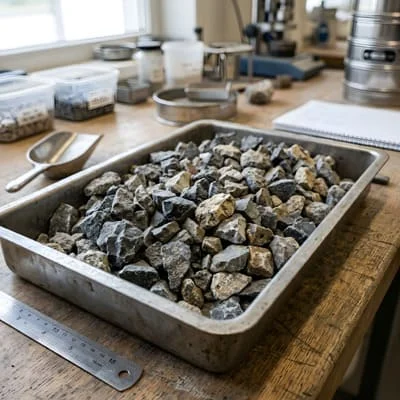
- Crushed stone is mechanically broken down from larger rocks, creating angular edges. This affects how the stones interlock and their overall stability.
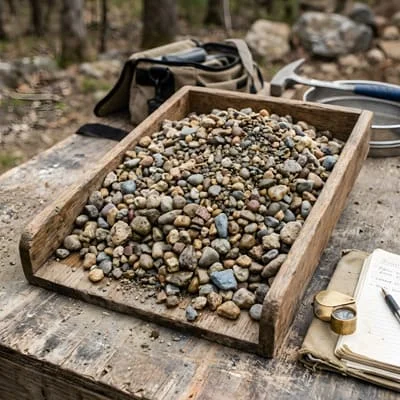
Within these categories, common types include:
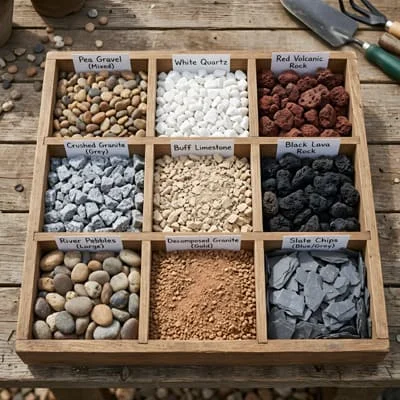
- Pea gravel: Small, smooth, rounded stones typically 1/8 to 3/8 inch in diameter, prized for patios and walkways.
- Crushed limestone: Angular, light-colored stones that compact well, often used in driveways and as a base layer.
- River rock: Larger, rounded stones collected from riverbeds, used for drainage and decorative borders.
- Decomposed granite: Fine gravel that compacts into a firm surface, popular for paths and xeriscaped gardens.
- Slate chips: Flat, angular pieces that create a distinctive texture and color contrast but require good drainage.
“What distinguishes gravel varieties is not just their appearance but how their physical properties affect stability, drainage, and integration with local environmental conditions.”
How Different Gravel Types Perform in Residential Landscaping
Choosing the right gravel depends on the function it must serve. For example, driveways demand gravel that compacts firmly and resists displacement under vehicle weight. Crushed stone gravel, with its sharp edges, is favored here because it locks tightly, reducing movement.
Walkways and patios often benefit from pea gravel due to its comfort underfoot and inviting texture.
However, it requires careful edging to prevent spreading.
Decomposed granite is another excellent choice for paths where a smooth, compacted surface is desired, especially in drier climates.
Drainage is a major consideration.
River rock, due to its size and smoothness, facilitates water flow and prevents puddling, ideal for French drains or rain gardens. Slate chips, while visually striking, may retain moisture unless paired with proper sub-base preparation.
“In practice, the performance of gravel types varies significantly with context—gravel that excels in dry climates may underperform in wetter regions due to drainage challenges.”
Environmental and Climate Considerations When Selecting Gravel
Climate plays a pivotal role in gravel’s suitability for a project. In arid environments, materials like decomposed granite and crushed limestone minimize irrigation needs and support drought-tolerant planting schemes. Their ability to retain heat and allow infiltration supports sustainable garden designs.
Conversely, in wetter climates, gravel must facilitate quick drainage to prevent pooling and erosion. Larger stones such as river rock or crushed granite with coarse texture are preferable here. Additionally, gravel choice impacts microclimates: lighter colors reflect heat, while darker stones absorb it, influencing plant health and soil temperature.
Soil type also affects gravel selection. Sandy soils naturally drain well but may allow gravel to sink or shift. Clay-heavy soils require gravel types that create a stable base and prevent moisture retention near plant roots.
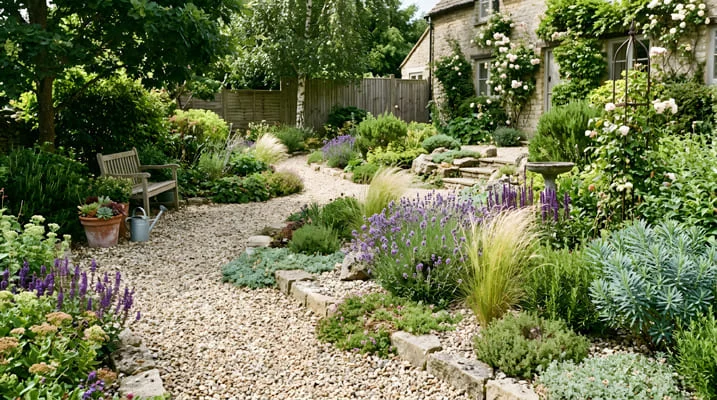
Practical Tips for Installing and Maintaining Gravel in Gardens
Effective installation is critical for gravel to perform as intended. A layered approach starting with a geotextile fabric prevents weed growth and soil mixing. Beneath the gravel, a compacted base of crushed stone or sand provides stability and drainage.
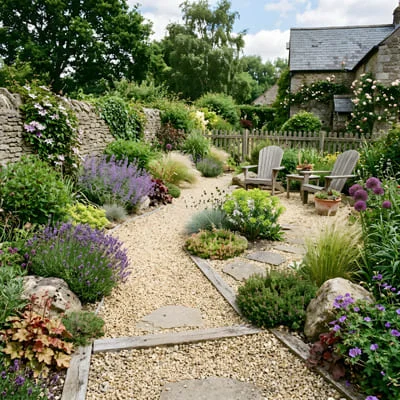
Maintenance varies by gravel type. Rounded gravels like pea gravel may need periodic raking and edging reinforcement to keep them contained.
Crushed stone requires less upkeep due to its interlocking nature but may settle unevenly over time.
Seasonal factors such as freeze-thaw cycles can cause gravel to shift or compact unevenly. Regular inspection and occasional topping up maintain the surface’s integrity and appearance.
Comparing Popular Gravel Types for Low-Maintenance Garden Design
Gravel Type Texture Best Uses Maintenance Climate Suitability Pea Gravel Rounded, smooth Patios, walkways, decorative mulch Requires edging, occasional raking Temperate to dry Crushed Limestone Angular, rough Driveways, base layers, drainage Low, may settle All climates Decomposed Granite Fine, compactable Paths, xeriscaping Low, occasional topping Dry, arid River Rock Large, rounded Drainage, borders, water features Low, may shift if not contained Wet, temperate Slate Chips Flat, angular Mulch alternative, accent areas Moderate, watch drainage Dry to temperate
Next Steps to Integrate Gravel Thoughtfully in Your Garden
Selecting the appropriate type of gravel depends on more than appearance. It requires an assessment of the garden’s function, local climate, soil conditions, and maintenance expectations. Testing small areas can reveal how gravel behaves under real conditions before committing to large-scale installation.
For those aiming at sustainable, low-maintenance landscapes, pairing gravel with native plants and efficient irrigation strategies enhances durability and beauty. Consulting regional geological and landscaping guidelines, such as those provided by the US Geological Survey or EPA Green Infrastructure, can further inform choices tailored to your location.
Frequently Asked Questions ( FAQ)
What Factors Influence the Choice of Gravel for Driveway Construction?
Driveways require gravel that compacts firmly and resists displacement under vehicle weight. Angular crushed stone gravels are preferred because their sharp edges lock together, creating a stable surface. Size also matters; typically, gravel between 3/4 inch and 1 1/2 inches works best to provide support and drainage. Additionally, a properly installed base layer and edging are crucial to prevent spreading and maintain durability over time.
Can Pea Gravel Be Used in Wet Climates Without Causing Drainage Issues?
Pea gravel, being small and rounded, allows reasonable water flow but may not suffice in areas with heavy rainfall or poor soil drainage. Without proper sub-base preparation or drainage systems, water can pool beneath it, leading to soggy conditions and weed growth. To use pea gravel effectively in wet climates, it is essential to install a permeable base layer and ensure the surrounding landscape facilitates water runoff.
What Maintenance Challenges Are Common with Decomposed Granite Gravel?
Decomposed granite compacts into a firm surface but can erode or wash away during heavy rains if not properly stabilized. Over time, it may develop uneven spots or lose fine particles, requiring periodic topping and compaction. It’s also susceptible to weed growth if the underlying fabric is compromised. Regular inspection and minor repairs keep the surface functional and visually appealing.
How Does Gravel Choice Affect Sustainable Garden Design?
Gravel impacts water management, soil health, and microclimate in sustainable gardens. Choosing permeable gravels like crushed stone or decomposed granite supports infiltration, reducing runoff and erosion. Light-colored gravels can lower soil temperatures, benefiting some plants, while darker gravels retain heat. Selecting gravel that complements native plant species and local rainfall patterns enhances overall garden resilience and reduces maintenance demands.
Is Slate Chip Gravel Suitable for All Garden Types?
Slate chips provide a unique texture and color contrast but require careful placement to avoid waterlogging because they can retain moisture if drainage is inadequate. They work well in dry to temperate climates with well-prepared soil but may not be ideal for wet, clay-heavy soils. Their angular shape helps prevent erosion, but gardeners should monitor for moss or algae growth in shaded, moist areas.

Architect with extensive experience in residential and commercial design, including renovations and modular construction. Love to share information about Architecture, home and lifestyle in this blog.
I loved it! These are awesome tips for low-maintenance gardens.
When it comes to plants, I think people often overlook the raw beauty of cacti and succulents 🌵. They can be absolutely stunning, and the best part is that they’re super low-maintenance!