Last updated on September 14th, 2026 at 08:10 pm
The design of a home is often seen through the lens of aesthetics or functionality alone, but a deeper understanding emerges when we consider how everyday life rituals shape living spaces. Rituals—defined as repeated, intentional actions imbued with meaning—create the rhythms that structure our days. Integrating these patterns into residential architecture not only enhances comfort but also supports well-being by aligning space with human behavior and environmental conditions.
Recognizing rituals as foundational to design shifts the focus from superficial decor to purposeful environments. This article explores how architects and homeowners can intentionally embed daily practices into the spatial layout, fostering calm, slow living that respects both the inhabitants and the climate. The insights presented are drawn from practical experience and architectural theory, grounded in the reality of how people actually inhabit their homes.
The Essentials of Designing Around Everyday Life Rituals
- Rituals are intentional, repeated behaviors that shape how spaces are used and experienced daily.
- Designing a home around these rituals demands understanding both the physical and psychological needs they fulfill.
- Successful integration of rituals into architecture fosters sustainability, comfort, and emotional connection to space.
- Climate-aware design supports rituals by harmonizing natural light, ventilation, and seasonal changes with daily activities.
- Not all rituals are universal; personalized and cultural variations require adaptable, flexible design solutions.
Understanding Rituals and Their Role in Residential Architecture
At its core, a ritual consists of a sequence of actions performed regularly, often with symbolic significance. In residential architecture, these are the habitual behaviors—morning coffee preparation, evening unwinding, family meals—that define how inhabitants interact with their environment. Recognizing rituals as behavioral anchors clarifies why certain spaces feel more meaningful or functional.
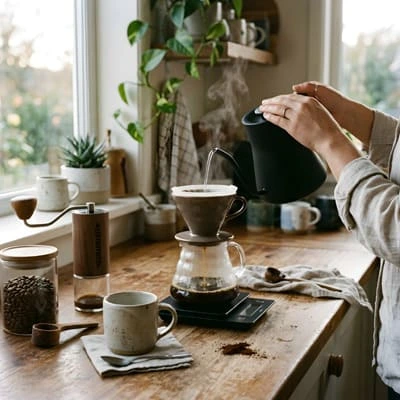
From a technical perspective, rituals inform zoning, circulation, and spatial hierarchy.
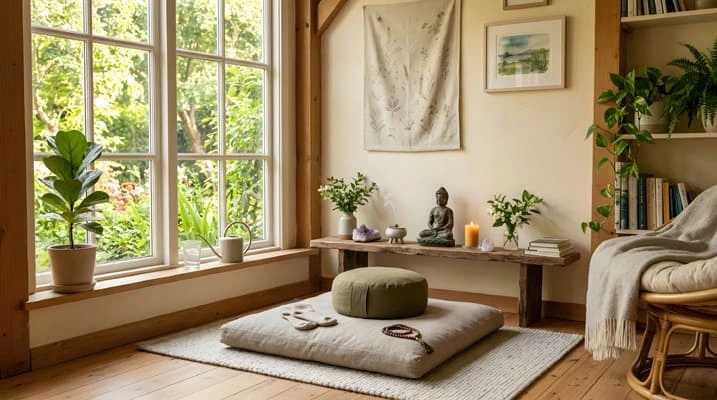
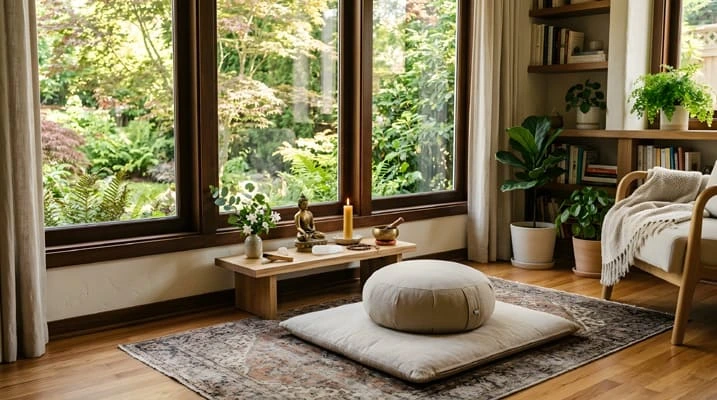
For example, a morning ritual involving meditation or stretching demands a quiet, sunlit nook with privacy.
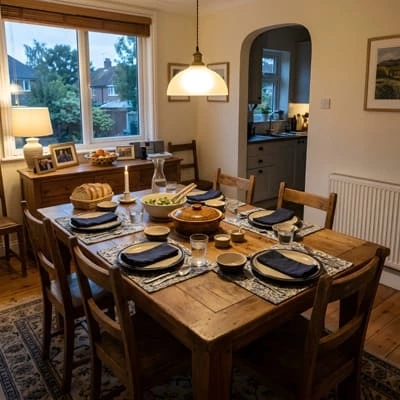
Conversely, communal meals require spaces that encourage gathering and connection. These insights move design beyond standard room functions toward environments that nurture intended behaviors.
“The difference between a house and a home is often found in the rituals it supports—these patterns turn mere space into lived experience.”
In practice, architects who observe clients’ routines can predict and accommodate subtle needs, such as storage for ritual objects or transitions between indoor and outdoor settings. This approach aligns with human-centered design principles, emphasizing empathy and lived experience.
Integrating Climate Awareness Into Ritual-Informed Design
Climate plays a pivotal role in shaping how rituals unfold within a home. Natural light, temperature fluctuations, and seasonal shifts dictate comfort levels and influence when and where rituals occur. Designing with climate awareness enhances sustainability while reinforcing the natural rhythms that rituals often reflect.
For instance, orienting spaces to maximize morning sunlight supports rituals like breakfast or exercise, while shaded areas provide retreat during hotter parts of the day. Passive ventilation can facilitate comfortable rituals without reliance on mechanical systems. These design decisions reduce energy consumption and encourage a slower, more intentional lifestyle.
Data from the U.S. Department of Energy highlights that homes designed to work with local climate conditions can reduce energy use by up to 30%, demonstrating how ritual-supportive architecture also advances environmental goals (energy.gov).
Spatial Strategies to Support Varied Daily Rituals
Implementing rituals into the spatial layout requires thoughtful zoning and transitions. Successful homes often feature a gradation from public to private spaces, enabling rituals of social connection and solitude. Circulation pathways should facilitate ease of movement related to habitual actions without interruption.
- Entry rituals: Designated mudrooms or entry zones manage the transition from outside to inside, supporting organization and mental preparation.
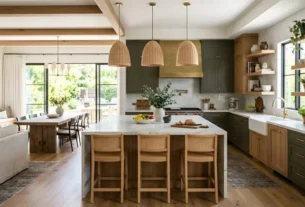
- Preparation rituals: Kitchen layouts optimized for cooking rituals incorporate ergonomic work triangles and natural light.
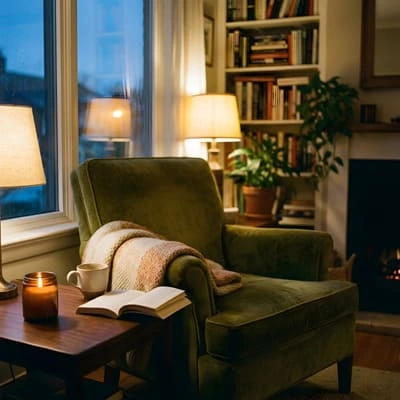
- Reflection rituals: Quiet corners or reading nooks enable moments of mindfulness or solitude.
- Gathering rituals: Flexible dining and living areas accommodate communal activities, adapting to changing household sizes.
In one project I worked on, a client’s nightly tea ritual led to the creation of a small, south-facing alcove with built-in seating and view to a garden, fostering a daily pause that became central to their wellbeing.
This example illustrates how detailed attention to ritual nuances informs spatial decisions.
The Psychological and Social Dimensions of Rituals in Home Design
Rituals anchor emotional wellbeing and social cohesion. Homes that accommodate these practices can reduce stress and enhance a sense of belonging. Spaces designed for ritual enactment foster identity, memory, and continuity, which are essential for mental health.
Architectural psychologist Sally Augustin emphasizes that “design that supports personal rituals promotes stability and security” (Psychology Today, 2021). This connection explains why environments aligned with occupants’ routines feel more restorative.
Social rituals, such as shared meals or family game nights, require adaptable spaces that balance openness with intimacy. Design must consider acoustics, lighting, and furniture arrangements to facilitate connection without overwhelming privacy.
“Homes shaped around rituals do more than shelter—they nurture the psychological rhythms essential to human flourishing.”
Challenges and Nuances in Designing for Rituals
Designing around rituals is not without challenges. Rituals vary widely across cultures, households, and even individual days. What supports one person’s morning routine may disrupt another’s. Additionally, rituals evolve over time, requiring flexibility in spatial design to accommodate change.
There is also a risk of over-prescription, where spaces become rigid and fail to adapt. Successful architectural solutions balance structure with openness, allowing rituals to flourish naturally rather than be forced.
Moreover, climate considerations sometimes conflict with ritual requirements, such as needing outdoor space for a ritual that a colder climate restricts seasonally.
In these cases, hybrid solutions like enclosed sunrooms or flexible partitions provide compromise.
Understanding these nuances demands ongoing dialogue between architect and client, informed by observation and empathy. The iterative process ensures that design remains relevant and responsive.
Next Steps: Applying Ritual-Informed Design to Your Home
To begin integrating rituals into residential design, start by mapping out daily routines and identifying spaces where meaningful actions occur. Observe how light, sound, and movement influence these moments. Consider climate factors and seek ways to harmonize environmental conditions with your habits.
Experiment with flexible layouts that accommodate change and prioritize comfort over formality. Engage with architectural resources or professionals who value human-centered, climate-aware design principles. By doing so, you transform your home into a sanctuary that supports the rhythms of your life, fostering calm and intentional living.
Frequently Asked Question (FAQ)
What Are Rituals in the Context of Home Design?
Rituals refer to repeated, intentional actions that people perform regularly in their homes, such as morning routines, meal preparation, or relaxation practices. In home design, understanding these behaviors helps shape spaces that better support daily life, enhancing comfort and emotional wellbeing. Integrating rituals involves considering how rooms and features align with these habitual patterns.
How Does Climate Awareness Influence Ritual-supportive Architecture?
Climate awareness incorporates natural elements like sunlight, ventilation, and temperature into design, ensuring that spaces accommodate rituals comfortably throughout the year. For example, orienting rooms to capture morning light supports waking routines, while passive cooling aids afternoon relaxation. This approach reduces energy use and aligns living environments with natural rhythms.
Can Rituals in Home Design Accommodate Cultural Differences?
Yes, rituals vary widely based on cultural background, family structure, and personal preference. Effective design respects these differences by creating adaptable spaces that can be customized or reconfigured. Flexibility is key to supporting diverse practices, from communal gatherings to solitary reflection.
What Are Common Spatial Features That Support Everyday Rituals?
Spaces like entry mudrooms, sunlit breakfast nooks, quiet reading corners, and flexible dining areas commonly support daily rituals. These zones facilitate transitions, social connection, and personal wellbeing by aligning physical design with habitual behaviors, enhancing both function and emotional satisfaction within the home.
What Limitations Exist When Designing Homes Around Rituals?
One limitation is that rituals can change over time, making rigid designs quickly outdated. Also, environmental constraints or budget may restrict ideal solutions. Additionally, balancing individual rituals in shared spaces can be challenging. Architects must therefore create flexible, adaptable environments that accommodate evolving needs.

Architect with extensive experience in residential and commercial design, including renovations and modular construction. Love to share information about Architecture, home and lifestyle in this blog.