Last updated on October 12th, 2026 at 07:53 am
Age is more than a number; it shapes how we experience our environments and communities across life stages. Understanding the interplay between being young, old, and the processes of aging is essential when designing living spaces that respond to human needs holistically. This article explores how the Mediterranean lifestyle and courtyard living provide a timeless architectural and social framework that naturally accommodates age diversity, fostering wellbeing for people at every stage of life.
Incorporating the realities of youth, maturity, and advanced age into residential design requires more than superficial adjustments. It demands a deep awareness of how physical, cognitive, and social aspects evolve. Through the lens of Mediterranean architecture—intentionally slow, climate-conscious, and human-centered—we can see how age-related needs are met seamlessly. This article delivers practical insights grounded in real experience, supported by authoritative research, to reveal why age-inclusive design matters now more than ever.
The Essentials of Age-Inclusive Living
- The Mediterranean lifestyle exemplifies how architectural design can support diverse age groups by promoting social interaction, physical comfort, and environmental harmony.
- Courtyard living offers microclimates and social thresholds that adapt flexibly to the changing needs of young, old, and aging individuals.
- Physical aging demands design strategies that address mobility, sensory changes, and safety without isolating residents from communal spaces.
- Intergenerational engagement is a core benefit of thoughtfully designed residential environments, mitigating social isolation commonly experienced by older adults.
- Data from aging studies and environmental psychology confirm that slow, intentional living spaces improve mental health and quality of life across age groups.
How Young, Old, and Age Influence Residential Architecture
Young, old, and age refer to distinct but interconnected stages in the human life cycle, each with specific physical, emotional, and social characteristics that impact how people interact with their environments. Youth generally involves high activity levels, exploration, and social learning, while older age often brings mobility challenges, sensory decline, and a need for safe, comfortable spaces. Aging itself is a continuous process marked by gradual changes rather than abrupt shifts, requiring adaptable architectural responses.
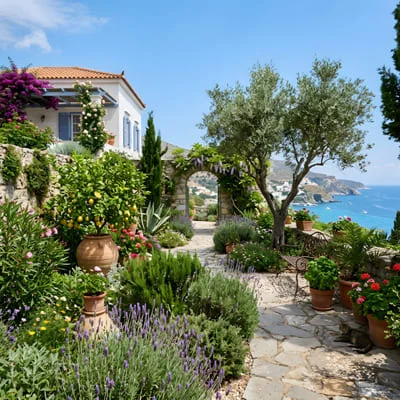
In practice, architects must appreciate that these stages do not occur in isolation. Multigenerational households, common in Mediterranean cultures, illustrate how spaces can be shared yet personalized to accommodate different age-related needs.
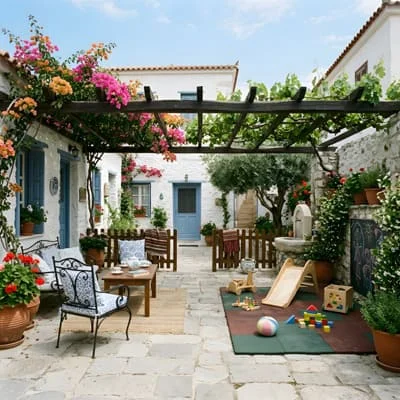
For example, a courtyard can serve as a safe play area for children while providing a calm, shaded retreat for elders.
This dynamic use of space reflects an understanding of age as a spectrum rather than fixed categories.
“The difference between designing for youth and old age lies not in creating separate worlds, but in fostering environments that evolve with the resident’s changing abilities and desires.”
Why Mediterranean Lifestyle Enhances Wellbeing Across Ages
The Mediterranean lifestyle, characterized by a balance of indoor and outdoor living, social cohesion, and connection to nature, inherently supports wellbeing through every stage of life. This lifestyle is not only about diet or leisure but also about how spaces encourage movement, interaction, and rest—key factors for both young and old residents.
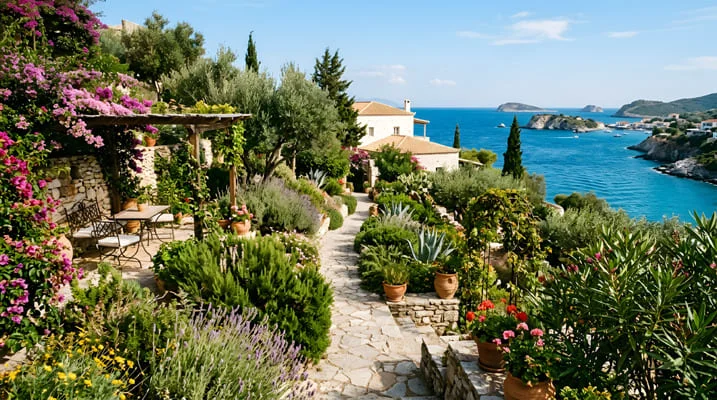
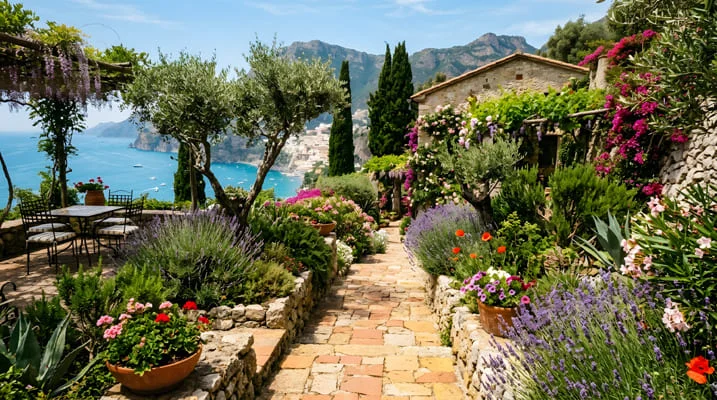
Architecturally, Mediterranean homes often feature courtyards, terraces, and shaded walkways that moderate climate extremes while providing visually rich, accessible environments. These elements promote physical activity for youth and safe, pleasant spaces for older adults to socialize or relax, thereby reducing risks associated with sedentary behavior and social isolation.
Research from the World Health Organization highlights that age-friendly environments must facilitate autonomy and participation. The Mediterranean lifestyle naturally aligns with these principles, offering a blueprint for modern residential design that supports aging in place and intergenerational living.
The Role of Courtyard Living in Supporting Diverse Age Needs
Courtyards serve as a central architectural feature that brings multiple benefits related to age-inclusive living. Their enclosed yet open nature creates microclimates that regulate temperature and airflow, crucial for older adults who may be sensitive to heat or cold.
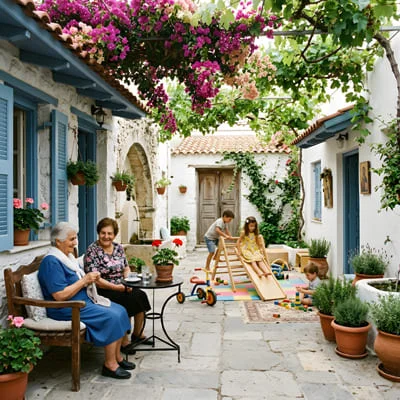
For children and younger residents, courtyards provide safe, semi-private outdoor areas that encourage play and discovery while under subtle supervision.
From an architectural perspective, courtyards act as transitional spaces that foster social encounters without forcing interactions, respecting the independence of all age groups.
The spatial hierarchy inherent in courtyard designs allows for varying degrees of privacy and communal engagement simultaneously.
“Courtyard living offers a spatial framework where young and old coexist fluidly, each finding comfort and community according to their evolving needs.”
Practical Design Strategies for Age-Responsive Mediterranean Homes
- Universal Design Principles: Incorporate ramps, wide doorways, non-slip surfaces, and lever handles to ensure accessibility for all ages.
- Flexible Spaces: Design rooms and outdoor areas that can be adapted as residents age, such as converting a playroom into a quiet study or hobby space.
- Natural Light and Ventilation: Maximize exposure to daylight and cross-ventilation to support circadian rhythms and respiratory health, crucial for elderly well-being.
- Social Zones: Create layered social spaces, from intimate seating niches to larger gathering areas, encouraging intergenerational interaction without crowding.
- Safety Features: Integrate subtle safety elements like handrails and visual contrasts that do not compromise the aesthetic but enhance confidence and autonomy.
These strategies reflect lessons learned from Mediterranean vernacular architecture, where age-related needs have been organically addressed over centuries. Modern interpretations should honor these principles while integrating contemporary materials and technologies that improve durability and comfort.
Challenges and Nuances in Designing for Young, Old, and Age
While Mediterranean lifestyle and courtyard living provide strong models for age-inclusive design, implementing these concepts universally requires attention to context. Climate variations, cultural differences, and economic constraints influence how effectively these principles can be adapted.
Moreover, aging is highly individual. Some older adults maintain high levels of independence, while others face significant physical or cognitive challenges.
Designers must anticipate such variability and avoid one-size-fits-all solutions.
For instance, technology integration can offer supportive measures for seniors but may be intimidating or unnecessary for others.
It’s important to recognize that no architectural model perfectly fits every situation.
Yet, the underlying philosophy of slow, intentional design that respects the spectrum of human age remains a critical guide for creating resilient, inclusive homes.
What to Do Now: Applying Age-Inclusive Mediterranean Principles
Start by evaluating your living environment through the lens of age diversity. Identify spaces that could better accommodate mobility limitations, sensory needs, or social engagement. Consider introducing elements such as shaded courtyards, flexible rooms, or universal design features that promote comfort and accessibility.
Engage with local architects or planners who understand the value of integrating Mediterranean lifestyle principles with modern residential requirements. Testing small interventions—like adding seating areas that invite multigenerational use or improving natural ventilation—can significantly improve quality of life for all ages.
Ultimately, fostering environments that embrace the realities of youth, old age, and the aging process is an investment in community resilience and personal wellbeing. This approach aligns with global trends toward sustainable, human-centered design that honors both tradition and innovation.
Frequently Asked Questions (FAQ)
How Does Courtyard Living Benefit People of Different Ages?
Courtyard living creates a versatile environment that supports various age groups by providing safe, semi-private outdoor spaces. For children, courtyards offer secure play areas, while for older adults, they provide shaded retreats that help regulate temperature and encourage gentle physical activity. These spaces also promote social interaction across generations, reducing isolation and fostering community cohesion.
What Design Features Make a Home Suitable for Aging in Place?
Designing for aging in place involves incorporating universal design elements such as no-step entrances, wide doorways, lever-style handles, and non-slip flooring. Adequate natural lighting and clear sightlines improve safety and comfort. Flexible room layouts that can adapt to changing mobility or cognitive needs are crucial, as is easy access to outdoor spaces like courtyards that encourage engagement with nature.
Why is the Mediterranean Lifestyle Considered Beneficial for Aging Populations?
The Mediterranean lifestyle balances physical activity, social engagement, and connection with nature, all factors that contribute to healthier aging. Its architectural features—such as courtyards and terraces—facilitate outdoor living and social interaction while mitigating climate extremes. This lifestyle’s emphasis on slow, intentional living supports mental and physical wellbeing across age groups.
Can Young Families and Older Adults Coexist Comfortably in the Same Residential Environment?
Yes, when designed thoughtfully, residential environments can accommodate both young families and older adults by offering varied spaces that serve different needs simultaneously. Courtyards and layered social zones allow for safe play areas for children while providing quiet retreats for older residents. Flexibility and accessibility features ensure that all age groups can engage comfortably and independently.
Are There Limitations to Applying Mediterranean Design Principles in Other Climates?
While Mediterranean design offers valuable principles, its direct application may require adaptation in different climates. For instance, courtyards must be designed to address local weather conditions, such as heavy rainfall or cold temperatures. Additionally, cultural preferences and economic factors influence feasibility. Thus, designers must balance Mediterranean concepts with regional realities to achieve effective age-inclusive environments.

Architect with extensive experience in residential and commercial design, including renovations and modular construction. Love to share information about Architecture, home and lifestyle in this blog.