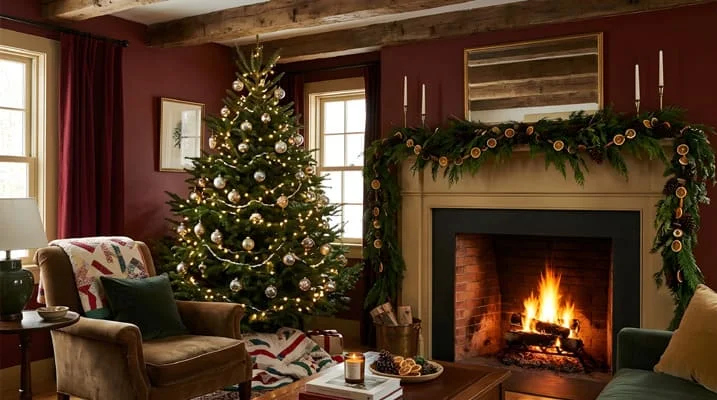
Holiday home decorating built around heritage principles favors rich, traditional colors, natural materials, and pieces meant to be reused for years, rather than trend-driven items replaced each season. The result is a home that feels warm, layered, and genuinely festive without relying on fleeting decor trends.
If your holiday decorating routine has started to feel like a yearly reset — buying new ornaments, new garland, new everything because last year’s look already feels dated — you’re not imagining the cycle. Holiday home decorating has leaned heavily on trend-chasing in recent years, but that’s shifting. Trend and design experts are reporting a genuine move back toward Christmases-past nostalgia, with shoppers gravitating toward warm tones, cozy textures, and vintage-inspired pieces that celebrate simplicity and story over novelty, according to trend commentary from Etsy’s in-house design expert reported by Homes & Gardens.
Heritage-style holiday home decorating isn’t about avoiding trends entirely — it’s about choosing a foundation that doesn’t need replacing every year. This guide walks through the colors, materials, and styling techniques that define a genuinely timeless, elevated Christmas look, and how to build toward it without overhauling your entire decor collection at once.
What Makes Holiday Decorating Feel “Heritage” Rather Than Trendy
Heritage holiday decorating draws on a specific, recognizable set of principles rather than whatever’s currently trending on social media. It favors real, natural materials over synthetic ones, a restrained and coordinated color palette over a mix-everything approach, and pieces with genuine craft or history behind them over mass-produced novelty items.
Snippet: Heritage holiday decorating is a Christmas styling approach built on rich traditional colors, natural materials like wood and greenery, and reusable, story-driven pieces — designed to remain elegant and current for years rather than needing replacement each season.
This approach has a genuine practical advantage beyond aesthetics: because it isn’t tied to a single year’s color trend or viral product, a heritage-style collection of decor continues to look intentional and current well beyond the season it was purchased for — which is precisely the quality interior stylists point to when describing this look as one that “will never go out of fashion,” according to seasonal styling guidance from Ideal Home.
The Heritage Color Palette: Rich Reds, Deep Greens, and Warm Metallics
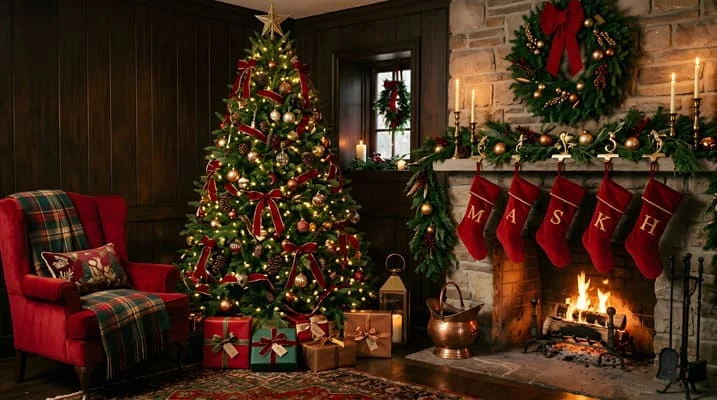
Color is where heritage holiday decorating most clearly distinguishes itself from more novelty-driven Christmas trends. Instead of bright, saturated primary colors or a single trending accent shade, the palette stays deliberately rich and restrained.
| Element | Heritage Approach | Trend-Driven Alternative |
|---|---|---|
| Base colors | Deep red, forest green, navy | Bright reds, pastels, novelty colors |
| Metallics | Aged brass, antique gold | Bright silver, neon accents |
| Greenery | Real pine, natural garland | Synthetic, uniformly colored garland |
| Pattern | Tartan, plaid | Character or licensed prints |
| Overall mood | Cocooning, snug, low-glitz | High-glitz, maximalist, statement-driven |
Notably light on glitter and heavy on natural greenery and rich reds, this palette is specifically designed to create a snug, cocooning feeling rather than a glamorous, high-shine one — a distinction stylists consistently point to as what separates heritage decorating from more maximalist holiday trends.
That doesn’t mean metallics are off the table entirely: aged brass and antique gold tones remain a defining feature, since they reflect candlelight warmly rather than reading as sharp or novelty-driven the way brighter silver or colored metallics can.
Materials and Textures That Define a Timeless Christmas
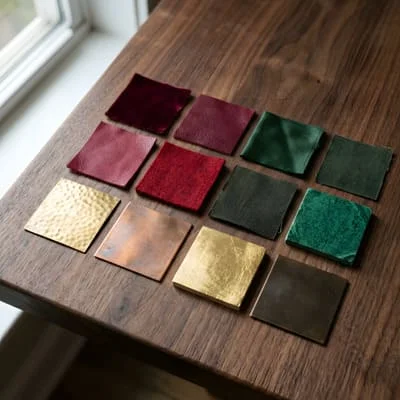
Material choice carries as much weight as color in heritage holiday decorating, since it’s what gives the look its genuine, lived-in quality rather than a flat, catalog-styled appearance.
Tartan and plaid textiles have made a sustained comeback specifically for the warmth and texture they add, alongside their inherently classic, traditional feel — a pattern combination that reads as intentional rather than trend-chasing precisely because it’s been part of holiday decorating for generations. Velvet ribbons, stockings, and table runners add the tactile richness that heritage decorating depends on, while real pine garland and fresh greenery bring genuine fragrance and texture that synthetic alternatives simply can’t replicate.
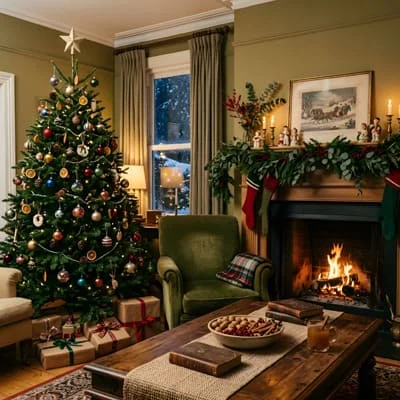
Glass ornaments and candle holders in warm metallic finishes round out the material palette, and they carry a genuine practical advantage beyond aesthetics: glass vases, bowls, and candle holders used at Christmas can be restyled for other seasons throughout the year, extending their value well beyond a single holiday display — a point highlighted in materials-focused trend coverage from the Christmasworld international trade fair, which tracks seasonal decor materials globally each year.
Quick tip: Choose glass and metal decor pieces with simple, versatile shapes — a plain glass vase or a brass candlestick — over Christmas-specific novelty shapes. These pieces transition into everyday and other-seasonal decor far more easily once the holidays end.
Styling the Tree, Mantel, and Table for Lasting Elegance
The tree, mantel, and table are the three focal points where heritage holiday decorating principles come together most visibly, and each benefits from the same underlying discipline: fewer, better pieces rather than maximum coverage.
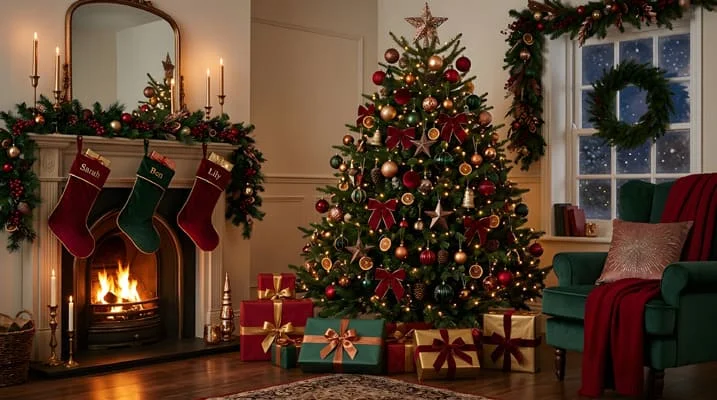
A real fir or pine tree, dressed in simple, hand-painted or heirloom-style baubles rather than a uniform matched ornament set from a single collection, immediately reads as more personal and considerably less catalog-styled. The mantel functions as a genuine second focal point, and a layered garland of evergreen foliage, velvet ribbon, and a few dried botanical accents — berries, dried hydrangea, eucalyptus — creates a rich, textured display without requiring dozens of individual pieces.
For the table, the same restraint applies: a single anchor element — a tartan tablecloth, a runner in a heritage color, or a cluster of brass candlesticks — gives the rest of the setting something to build around, rather than scattering equally weighted decorations across the whole surface. Designers consistently recommend this anchor-and-build approach specifically because it creates the sense of contrast — polished yet natural, formal yet welcoming — that defines the heritage aesthetic at its best.
Where to Splurge vs. Where to Reuse Year After Year
Heritage holiday decorating rewards a deliberate approach to what you invest in versus what you simply maintain and reuse, since the entire premise depends on pieces having genuine staying power.
- Splurge on genuine, durable materials — real brass, solid glass, quality velvet — for anchor pieces you intend to use for years: candlesticks, a wreath frame, or a set of stockings.
- Reuse natural greenery annually rather than buying synthetic garland meant to last indefinitely; fresh greenery is inexpensive and part of the authentic sensory experience heritage decorating depends on.
- Invest gradually in ornaments with genuine character — hand-painted, vintage-style, or heirloom pieces — adding a few each year rather than purchasing an entire matched set at once.
- Save on novelty and trend-specific items that won’t carry over to future seasons, since these are precisely the purchases heritage decorating is designed to reduce.
- Store materials properly between seasons, since the entire economic and aesthetic logic of this approach depends on pieces surviving multiple years in good condition.
Common Mistakes That Undermine a Timeless Holiday Look
A handful of habits consistently pull holiday decorating away from genuine heritage elegance and toward a more generic, trend-driven look instead.
- Buying a fully matched ornament set rather than building a collection with genuine variation and character over time.
- Overloading a single surface — tree, mantel, or table — with too many competing decorations, rather than anchoring it with one or two focal pieces.
- Choosing synthetic greenery and metallics that mimic a bright, glossy finish, which reads as considerably less authentic than real materials with natural variation.
- Chasing a specific viral color or pattern trend, undermining the very longevity that makes heritage decorating worth the initial investment.
- Treating decor purchases as disposable, rather than storing and maintaining pieces with the expectation of reusing them for years.
Building a Christmas That Lasts Beyond One Season
Heritage-style holiday home decorating offers a genuine alternative to the yearly trend cycle: rich, restrained colors, real natural materials, and pieces chosen for their staying power rather than their novelty. Start with one anchor element — a real tree, a layered mantel garland, or a set of quality brass candlesticks — and build outward gradually, rather than trying to assemble the full look in a single season. Done well, this approach delivers a home that feels genuinely festive and elevated for years, not just for one holiday. If you’ve built your own heritage-style holiday collection over time, I’d love to hear which pieces have earned a permanent place in your seasonal decorating.

Architect with extensive experience in residential and commercial design, including renovations and modular construction. Love to share information about Architecture, home and lifestyle in this blog.