Last updated on September 2nd, 2026 at 10:49 am
When we talk about what makes a home feel truly personal, we’re addressing more than just decoration or style. A personal home is one that reflects the unique identity and lived experience of its occupants. It is a space shaped by intentional choices, architectural responsiveness, and a deep understanding of how people inhabit their environment daily. This goes beyond aesthetics to consider function, comfort, climate adaptation, and the emotional connection between the individual and their living space.
In practice, creating a personal home means integrating elements that respond to the rhythms of life, the climate context, and the cultural background of its residents. This article explores what truly personal means in residential architecture, focusing on how intentional design fosters a sense of belonging and calm while addressing practical needs in diverse settings.
The Essentials of a Personal Home
- A truly personal home responds to the unique lifestyle and needs of its inhabitants, rather than following generic design trends.
- Architectural decisions that consider climate, natural light, and spatial flow significantly contribute to making a home feel personal and comfortable.
- Personalization stems from the interaction between physical space and its emotional resonance; it is shaped over time through daily use and adaptation.
- Not every personal design approach works universally; cultural, environmental, and individual differences require nuanced solutions.
- Elements like material choices, spatial sequencing, and views connect residents with their surroundings, reinforcing a sense of place and identity.
How Architectural Intent Shapes a Personal Home Experience
Architectural intent is the foundation of a personal home. It begins with a clear understanding of who will live in the space and how they inhabit their daily lives. This approach prioritizes spatial organization, natural light, and materials to create environments that feel natural and inviting.
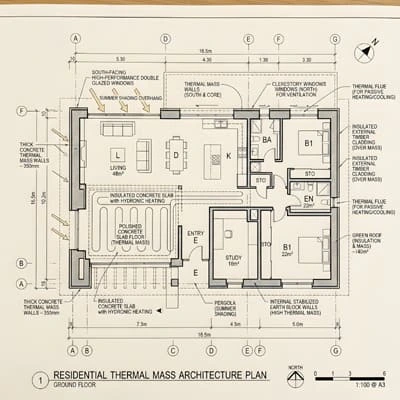
For example, orienting living areas to capture morning light or designing windows to frame specific views can transform a house into a home that resonates emotionally with its residents.
Intentional design also respects the climate context, using passive strategies like shading, thermal mass, and cross-ventilation to ensure comfort year-round.
This technical precision supports the experiential aspect of personalization, making the home not only beautiful but also sustainable and efficient.
As an architect with practical experience, I have seen that homes crafted with this level of care foster deeper attachment and well-being.
“A home becomes truly personal when its architecture harmonizes daily function with emotional connection, responding thoughtfully to both human and environmental needs.”
Why Lifestyle Integration is Critical for Personalization in Residential Spaces
Personalization requires more than surface-level customization; it demands a deep integration of lifestyle into the design process. This means understanding routines, habits, and social dynamics within the household.
For instance, a family with children might prioritize flexible spaces that adapt as kids grow, while a remote worker would need dedicated quiet zones and natural light optimized for productivity.
In practice, this integration involves collaboration between architect and client to uncover subtle lifestyle nuances. Spatial zoning, furniture layout, and even acoustics are tailored to support real-life activities.
This approach prevents the home from feeling like a showroom and instead creates a living environment that evolves with its inhabitants.
How Climate Awareness Contributes to a Personal Home’s Comfort and Sustainability
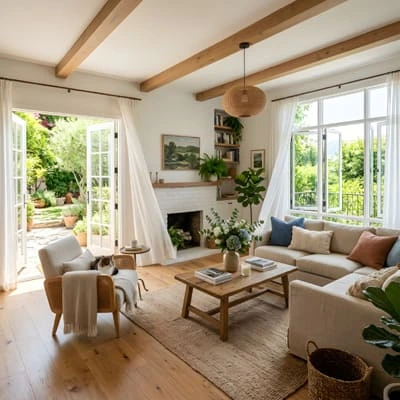
Climate-aware design is inseparable from creating a personal home, especially in residential architecture where comfort and energy efficiency directly affect daily life. Passive design techniques—such as strategic window placement, insulation, and natural ventilation—reduce reliance on mechanical systems, lowering energy costs and environmental impact.
For example, in hot climates, shading devices and thermal mass maintain cooler interiors, while in colder regions, maximizing solar gain and airtight construction preserve warmth. These measures require tailored solutions based on location, seasonality, and specific user needs. Recognizing climate’s role ensures that the home supports occupants health and comfort throughout the year, reinforcing its personal nature.
“Climate-responsive design bridges technical performance and personal comfort, making homes resilient and intimately tied to their environment.”
The Role of Materials and Sensory Experience in Personalizing a Home
Material choices heavily influence how a home feels on a sensory level, shaping both tactile and visual experiences.
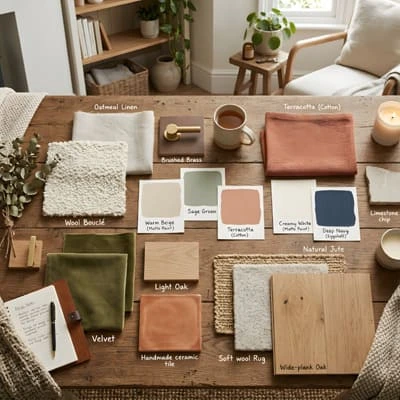
Natural materials like wood, stone, and clay often evoke warmth and connection to nature, while synthetic materials can introduce sleekness or industrial character.
The key is selecting materials that reflect the occupant’s identity and the home’s environmental context.
Textures, colors, and finishes contribute to a layered sensory experience that unfolds as one moves through the space.
These elements also age and patinate over time, creating a narrative of use and memory.
This evolving quality is a hallmark of personal spaces, distinguishing them from sterile or mass-produced interiors.
How Cultural and Emotional Factors Influence Personalization in Home Design
Culture profoundly shapes how people perceive and use their homes. Architectural personalization must account for cultural norms, rituals, and symbolic meanings tied to space.
For example, certain cultures emphasize communal living areas, while others prioritize privacy and retreat. These preferences guide spatial arrangements, circulation patterns, and room hierarchies.
Emotionally, personal homes provide sanctuary—spaces where identity is reaffirmed and stress is alleviated.
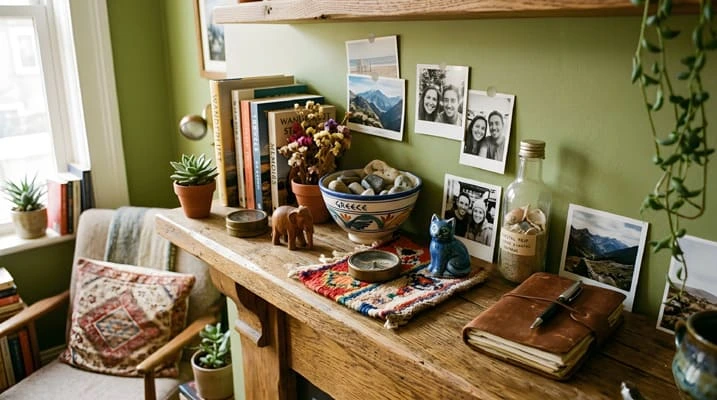
Designing for this requires sensitivity to the occupant’s background and psychological needs. In some cases, this means creating quiet nooks, integrating outdoor connections, or providing spaces for meaningful objects and art. Emotional resonance is often what ultimately makes a house a home.
What to Do Now to Create a More Personal Home
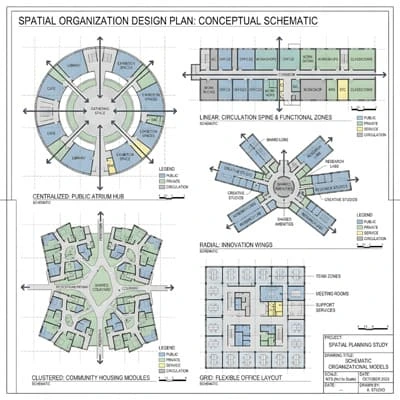
Start by observing your daily routines and identifying moments where your current space supports or hinders your comfort. Reflect on what aspects of your home feel most connected to your identity and which feel generic or disconnected. From there, prioritize design adjustments that respond to these insights, focusing on natural light, spatial flow, and material choices that resonate with you.
Explore passive climate strategies relevant to your region to improve comfort sustainably. Finally, consider how cultural and emotional needs shape your use of space and seek architectural solutions that honor these dimensions. Taking these steps leads to a home that truly reflects who you are and how you live.
Frequently Asked Questions ( FAQ)
What Defines a Personal Home Beyond Decoration?
A personal home is defined by its ability to reflect the occupant’s lifestyle, values, and identity through intentional architectural decisions. It extends beyond decoration to include spatial organization, materialism, climate responsiveness, and emotional resonance. This creates an environment that supports well-being and adapts to daily life rather than simply showcasing style.
How Does Climate-aware Design Affect Personalization?
Climate-aware design enhances personalization by ensuring the home remains comfortable and energy-efficient throughout the year. By using passive strategies like shading, insulation, and ventilation tailored to local conditions, the home supports occupant health and reduces environmental impact, reinforcing a deeper connection between people and place.
Can Personalization Be Standardized in Home Design?
Personalization resists standardization because it depends on individual needs, cultural context, and environmental conditions. While some principles can guide design, each home requires unique solutions. Generic approaches often fail to capture the nuances necessary for creating spaces that feel truly personal and lived-in.
What Role Do Materials Play in Creating a Personal Atmosphere?
Materials contribute significantly to a home’s sensory experience, affecting texture, color, and warmth. Natural materials often evoke comfort and connection to nature, while synthetic ones can convey modernity. The choice of materials should align with the occupant’s identity and the home’s context to foster an authentic and evolving sense of place.
How Can Emotional Needs Be Integrated Into Architectural Design?
Emotional needs are integrated by designing spaces that offer refuge, privacy, and connection to meaningful elements. This includes creating quiet zones, framing views, and allowing for personal artifacts. Understanding the occupant’s psychological and cultural background is essential to crafting environments that nurture emotional well-being.

Architect with extensive experience in residential and commercial design, including renovations and modular construction. Love to share information about Architecture, home and lifestyle in this blog.