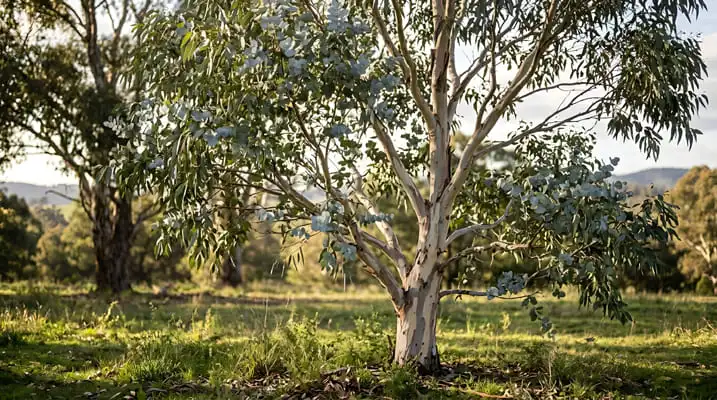
The Snow Gum, scientifically known as Eucalyptus gunnii, is a remarkable species native to Tasmania, Australia. Renowned for its striking silver-blue foliage and resilience in cold climates, this eucalyptus species has gained popularity among gardeners and florists alike. Understanding how to cultivate Eucalyptus gunnii effectively and manage its stems for drying is essential for maximizing its ornamental and commercial value.
This article delivers a comprehensive overview of Eucalyptus gunnii, including its botanical characteristics, ideal growing conditions, and practical steps to dry its stems for floral arrangements.
Whether you’re an experienced horticulturist or a hobbyist intrigued by hardy eucalyptus varieties, the insights here combine technical expertise with real-world application.
What You Need to Know About Eucalyptus Gunnii
- Eucalyptus gunnii thrives in temperate climates with well-drained soil and tolerates frost better than most eucalyptus species.
- Its distinctive blue-gray leaves contain high levels of essential oils, making them valuable for both ornamental and commercial uses.
- Proper pruning and harvesting timing are critical to preserve stem quality for drying and long-lasting floral displays.
- The drying process requires careful control of humidity and temperature to maintain leaf color and prevent brittleness.
- While hardy, Eucalyptus gunnii can be susceptible to certain pests and diseases, necessitating attentive care.
Understanding Eucalyptus Gunnii: Botanical Traits and Native Habitat
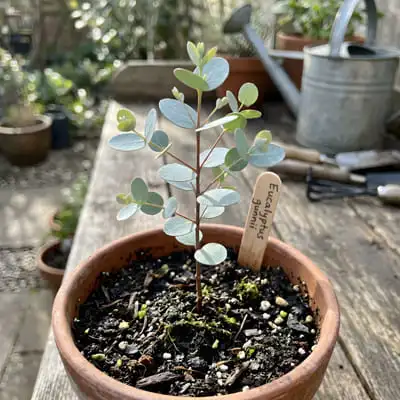
Eucalyptus gunnii, commonly called Snow Gum, is a medium-sized evergreen tree native to the cool climates of Tasmania. It belongs to the Myrtaceae family and is recognized for its smooth bark that peels away in patches, revealing a pale underlayer. The leaves are broad, round to ovate, and display a notable bluish-silver hue due to a waxy coating that protects against frost and moisture loss.
This species adapts naturally to subalpine regions, enduring temperatures as low as -10°C (14°F). Its resilience to cold distinguishes it from many other eucalyptus varieties that prefer warmer environments.
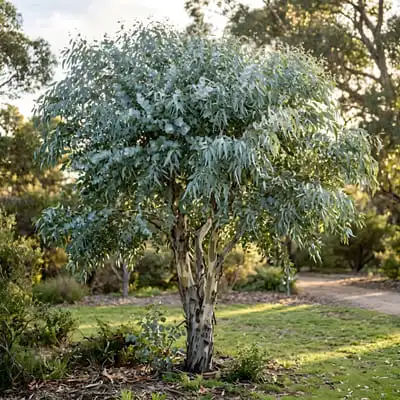
Snow Gums can reach heights of 30 to 40 feet (9 to 12 meters), and their dense foliage provides shelter for wildlife while contributing to soil stabilization.

“Eucalyptus gunnii’s unique adaptation to cold, frosty environments sets it apart from most eucalyptus species, making it a valuable asset in temperate landscaping.”
Its native habitat offers clues for successful cultivation: well-drained soils, moderate rainfall, and ample sunlight. Gardeners outside Tasmania should mimic these conditions to promote healthy growth.
How to Grow Eucalyptus Gunnii Successfully in Your Garden
Growing Snow Gum requires attention to soil, watering, and climate. The tree prefers sandy loam or well-drained soils with a slightly acidic to neutral pH (around 6.0 to 7.0). Excessively wet or clay-heavy soils can lead to root rot, a common issue in eucalyptus cultivation.
- Climate: Eucalyptus gunnii tolerates frost and light snow, but prolonged freezing below -10°C can cause damage.
- Sunlight: Full sun exposure is essential. Partial shade may stunt growth or reduce leaf color vibrancy.
- Watering: Young trees require regular watering to establish roots. Mature trees are drought-tolerant but benefit from occasional deep watering during dry spells.
- Pruning: Early pruning encourages bushier growth and stronger stems, which are ideal for drying.
- Pests/Diseases: Watch for eucalyptus leaf beetles and fungal infections, especially in humid climates.
In practice, I’ve observed that planting Snow Gum in raised beds or mounds improves drainage and reduces fungal risks. Additionally, mulch helps retain moisture without waterlogging the roots.
When and How to Harvest Eucalyptus Gunnii Stems for Drying
Harvesting is a crucial step that influences the final quality of dried eucalyptus. The stems should be cut during late spring to early summer when the leaves are mature but before flowering, as the presence of buds can cause color fading during drying.
Choose healthy, straight stems approximately 12 to 18 inches long, ideally with a balanced number of leaves. Cutting early in the morning, when the plant’s moisture content is higher, helps preserve leaf flexibility and oils.
- Use clean, sharp pruning shears to avoid crushing stems.
- Remove any damaged or discolored leaves immediately after cutting.
- Bundle stems loosely with a rubber band to allow airflow.
Timing and technique matter because stems harvested too late or under stress tend to lose their color and become brittle during drying.
Step-by-Step Guide to Drying Eucalyptus Gunnii Stems
Drying Snow Gum stems properly preserves their distinctive color and aromatic properties, which are prized in floral design and aromatherapy.
- Prepare the stems: Remove excess leaves at the base to reduce moisture accumulation.
- Bundle stems: Tie stems together in small bunches to ensure air circulation.
- Hang upside down: Suspend the bundles in a cool, dark, and well-ventilated area to prevent sunlight bleaching and mold growth.
- Control humidity: Ideally, maintain relative humidity around 45-55%. Excess humidity can cause mold, while too low can make stems brittle.
- Drying duration: Typically takes 2 to 4 weeks depending on environmental conditions.
“Successful drying of Snow Gum stems hinges on balancing airflow and humidity — too much or too little moisture will compromise leaf integrity.”
Once dried, the stems become stiff but retain their silver-blue color and fragrance, making them ideal for long-lasting arrangements.
Common Challenges and Best Practices in Cultivating and Using Eucalyptus Gunnii
Despite its hardiness, Eucalyptus gunnii presents some cultivation challenges. One common issue is susceptibility to fungal diseases such as powdery mildew, especially in humid or poorly ventilated settings. Regular monitoring and ensuring good airflow mitigate these risks.
Pest infestations, particularly eucalyptus leaf beetles, can defoliate trees rapidly if left unchecked.
Organic insecticides or manual removal are effective controls. Additionally, Snow Gum may struggle in regions with extreme heat or poor drainage, causing leaf scorch or root rot.
From experience working with nursery growers, integrating seasonal pruning not only controls tree size but enhances leaf quality for drying. It also reduces the accumulation of dead wood, which can harbor pests.
While the drying technique described is effective in many environments, it doesn’t work equally well everywhere. High-humidity climates require dehumidifiers or climate-controlled drying rooms for best results. Conversely, arid areas may necessitate light misting to prevent leaf brittleness during drying.
To deepen understanding, authoritative guidance is available from the Australian National Botanic Gardens (anbg.gov.au) and horticultural research published by the University of Tasmania (utas.edu.au).
Next Steps for Growing and Utilizing Eucalyptus Gunnii
Implementing the cultivation and drying methods for Eucalyptus gunnii can elevate both your garden’s aesthetic and your floral craft’s quality. Start by assessing your local climate and soil conditions to ensure they align with the species’ needs. Experiment with pruning schedules to find what encourages the healthiest foliage and stems for drying.
For florists or hobbyists aiming to use dried Snow Gum, invest time in mastering the drying environment. Consider small-scale trials to refine humidity and airflow controls before scaling up production.
This iterative approach yields consistent, vibrant stems that maintain their signature hue and aroma.
Exploring related species such as Eucalyptus pauciflora (another cold-tolerant gum) or integrating Snow Gum into mixed native plantings can diversify your landscape while supporting local ecosystems.
Sharing observations with local horticultural societies or online plant forums can also refine your practice and expand your network.

Architect with extensive experience in residential and commercial design, including renovations and modular construction. Love to share information about Architecture, home and lifestyle in this blog.