Last updated on November 2nd, 2026 at 06:27 pm
The cottagecore aesthetic has grown beyond a simple trend, evolving into a lifestyle that embraces idyllic rural life, simplicity, and a romanticized connection to nature. Rooted in nostalgia for pastoral living and the charm of countryside cottages, cottagecore encompasses fashion, home decor, and daily habits that reflect comfort, sustainability, and handcrafted artistry. This article explores how cottagecore home decor embodies these values and offers practical guidance for integrating this style into your living space with authenticity and purpose.
Understanding cottagecore requires more than recognizing its visual appeal; it demands attention to the philosophy behind the style. It celebrates imperfection, sustainability, and a slower pace of life, which resonates deeply in today’s fast-moving, technology-driven world. Here, you will find an expert perspective on incorporating cottagecore elements in your home, drawing from hands-on experience and authoritative sources to ensure a well-rounded, actionable approach.
The Essentials of Cottagecore Home Decor
- Cottagecore home decor prioritizes natural materials like wood, linen, and ceramics to create warm, inviting spaces that evoke rural simplicity.
- Soft, muted color palettes inspired by nature—such as sage green, cream, and dusty rose—are fundamental to achieving an authentic cottagecore atmosphere.
- Incorporating vintage and handmade items lends character and a sense of history, reflecting cottagecore’s value of craftsmanship and sustainability.
- Functionality and comfort guide design choices, with an emphasis on cozy textiles and thoughtful, practical arrangements suited for everyday living.
- While cottagecore celebrates nostalgia, it is adaptable and can coexist with modern conveniences when balanced carefully.
What Cottagecore Home Decor Entails and Why It Matters
Cottagecore home decor is a design philosophy that draws inspiration from traditional rural cottages and pastoral life. It emphasizes natural textures, simplicity, and a harmonious relationship with the environment. This style is more than aesthetics; it reflects a desire to reconnect with slower, handcrafted living in contrast to urban modernity. The importance of this style lies in its response to contemporary stressors—by creating spaces that feel nurturing and timeless, cottagecore can enhance mental well-being and foster mindfulness within the home.

Technically, cottagecore decor involves selecting materials like untreated wood, organic cotton, and ceramics with handmade qualities.
These choices encourage sustainable consumption, aligning with increasing environmental awareness.
The design avoids synthetic or mass-produced items that clash with the ethos of authenticity. According to a 2023 study published by the American Society of Interior Designers, homes that incorporate natural elements and tactile materials report higher occupant satisfaction and comfort (ASID Research 2023).
“The essence of cottagecore decor is not just in visual cues but in creating a lived experience that encourages intentionality and connection to nature.”
Key Materials and Textures for Authentic Cottagecore Spaces
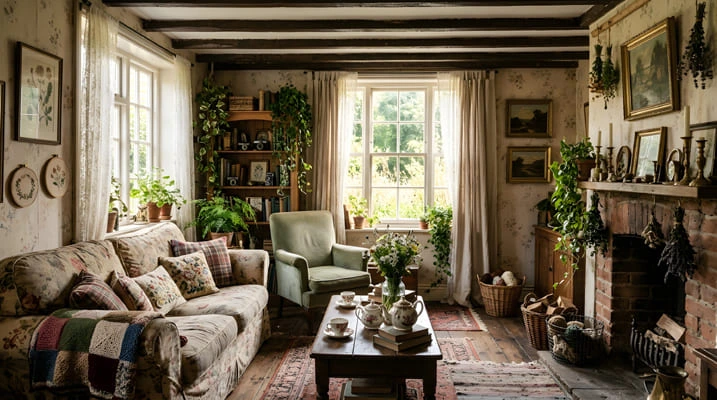
Natural materials are the backbone of cottagecore interiors. Wood, especially in its unfinished or lightly treated form, is essential for furniture and flooring, providing warmth and texture. Linen and cotton fabrics dominate soft furnishings like curtains, bedding, and cushions, prized for their breathability and tactile comfort. Ceramics and earthenware, often handmade or vintage, bring artisanal character to kitchens and display areas.
In practice, mixing these elements can be challenging.
For example, untreated wood requires maintenance to prevent wear, and natural fabrics often need special care to avoid damage.
However, these trade-offs reinforce the commitment to authenticity and sustainability.
Cottagecore enthusiasts often seek out local artisans or flea markets to source unique pieces, supporting small economies and reducing carbon footprints.

Typical Cottagecore Textures and Their Roles
- Raw wood: Used in beams, furniture, and decorative elements, contributing rustic charm.
- Linen and cotton: Soft, breathable textiles ideal for curtains, throws, and upholstery.
- Ceramics: Functional yet ornamental, often with hand-painted details or natural glazes.
- Wicker and rattan: Adding organic shapes and lightness, commonly in baskets or chairs.
Color Palettes and Patterns That Define Cottagecore
Colors in cottagecore decor tend toward muted and earthy tones that mimic natural surroundings. Think soft greens resembling moss, faded blues like a clear sky, gentle blush pinks, and creamy ivory shades. These colors create a soothing environment that contrasts starkly with urban industrial palettes.
Patterns often include florals, gingham, and delicate embroidery, evoking a handcrafted feel. These designs are not merely decorative but also evoke nostalgia for simpler times and rural traditions. However, the overuse of busy patterns can overwhelm the cozy atmosphere, so balance is essential. Layering subtle prints with solid colors maintains harmony and depth.
“The visual softness of cottagecore’s palette acts as a psychological balm, fostering calmness and inviting relaxation.”
Furniture and Layout Strategies for a Cozy, Functional Cottagecore Home
Furniture in cottagecore homes prioritizes comfort and timeless design over trendiness. Pieces often have a vintage or handmade quality, with curves and detailing that suggest artisan craftsmanship.
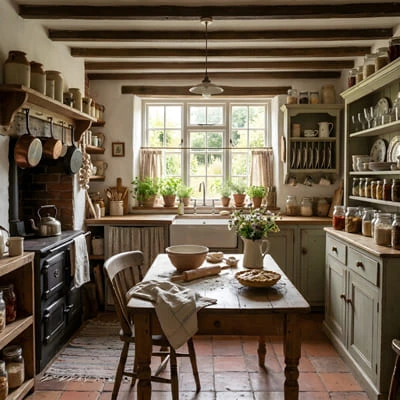
Practicality remains key; furniture should invite use and encourage gatherings, reflecting the communal spirit of cottage life.
Layout strategies favor open, uncluttered spaces that allow light to flow and create a sense of airiness.
Multipurpose furniture—like benches with storage or foldable tables—helps maintain simplicity without sacrificing utility. Incorporating plants throughout the home enhances the connection to nature and improves air quality, reinforcing the core values of the style.
- Opt for sturdy wooden tables and chairs with soft cushions.
- Use open shelving to display heirlooms or handmade pottery.
- Arrange seating areas to promote conversation and relaxation.
Limitations and Adaptations of Cottagecore in Urban Settings
While cottagecore ideals embrace rural tranquility, adapting the style to urban homes requires nuance. Space constraints, light availability, and modern infrastructure can challenge the creation of authentic pastoral atmospheres. For instance, natural wood floors might be impractical in apartment buildings, and cultivating a garden may be impossible without outdoor access.
In these cases, the style’s principles—simplicity, natural textures, and a connection to nature—can still be realized through smaller-scale interventions. Indoor plants, vintage textiles, and handcrafted decor can bring cottagecore’s spirit indoors. However, it’s important to recognize that this adaptation is a reinterpretation rather than a pure replication of the countryside aesthetic.
Architectural Digest, 2024 discusses effective ways to incorporate natural elements in city living.
“Cottagecore urban adaptations prove that the heart of the style lies in mindset, not geography.”
What to Do Next: Applying Cottagecore Ideas with Intent
Start by assessing your current living space and identifying elements that resonate with cottagecore values—natural light, handcrafted objects, and soft textures. Prioritize sourcing sustainable and vintage items to reduce environmental impact and add authenticity. Experiment with layering fabrics and introducing plants to create warmth and life.

Test small changes, such as swapping synthetic curtains for linen or adding a wooden side table, before committing to major renovations. This iterative approach helps maintain balance between style and functionality. As you integrate the aesthetic, remain open to personalized adaptations that suit your lifestyle without compromising comfort.
Embracing cottagecore is ultimately about creating a sanctuary that encourages slower living and nurtures the soul, no matter where you reside.
Frequently Asked Questions (FAQ)
What Defines Cottagecore Style in Home Decor?
Cottagecore style in home decor is defined by a focus on natural materials, muted color palettes inspired by nature, vintage or handmade furnishings, and a sense of coziness that evokes rural living. It emphasizes simplicity, sustainability, and a nostalgic connection to pastoral life, often incorporating elements like wood, linen, ceramics, and floral patterns to create warm, inviting spaces.
Can Cottagecore Be Adapted to Small or Urban Homes?
Yes, cottagecore can be adapted for small or urban homes by focusing on its core principles rather than strict aesthetics. Incorporating plants, vintage textiles, and natural materials in smaller doses, along with maximizing natural light and simplifying layouts, helps evoke the essence of cottagecore even in limited spaces. This approach prioritizes mindset and intentionality over geography.
What Colors Are Typical for Cottagecore Interiors?
Typical colors for cottagecore interiors include soft, muted shades like sage green, dusty rose, creamy ivory, faded blues, and warm earth tones. These colors mimic the natural environment and contribute to a calming, cozy atmosphere. Patterns like gingham and delicate florals are often used to complement these palettes and enhance the nostalgic feel.
How Important is Sustainability in Cottagecore Decorating?
Sustainability is a central tenet of cottagecore decorating. The style favors natural, organic materials and handcrafted or vintage items to reduce environmental impact and encourage mindful consumption. Choosing locally sourced or upcycled furnishings supports this ethos and aligns with cottagecore’s celebration of simplicity and connection to nature.
What Challenges Might Arise When Implementing Cottagecore Decor?
Challenges include maintaining natural materials, which often require more care, and balancing the nostalgic aesthetic with modern functionality. In urban or small spaces, limited access to natural light or garden areas can restrict the full expression of cottagecore. Additionally, avoiding overly busy patterns and clutter is crucial to preserving the style’s calming effect, requiring thoughtful curation.

Architect with extensive experience in residential and commercial design, including renovations and modular construction. Love to share information about Architecture, home and lifestyle in this blog.