Last updated on September 14th, 2026 at 06:32 pm
Natural materials like ceramic, textile, fiber, wall texture, and floor coverings are fundamental elements in residential architecture that shape not only aesthetics but also how inhabitants experience their environment. These materials connect built spaces to the earth’s tactile qualities, introducing warmth, durability, and a sense of groundedness that synthetic alternatives often lack. Understanding their properties and interactions is essential for creating interiors that are climate-aware, intentional, and human-centered.
This article explores how these materials function individually and together in architectural design, emphasizing practical applications that enhance both comfort and resilience. By integrating ceramic tiles, woven textiles, natural fibers, textured walls, and thoughtfully chosen flooring, architects and homeowners can cultivate spaces that age gracefully, respond to climate challenges, and resonate deeply with daily living.
The Core Insights on Natural Materials and Textural Design
- Ceramic surfaces offer unmatched durability and thermal regulation, making them ideal for floors and walls in varied climates.
- Textiles and natural fibers introduce softness and acoustic dampening, crucial for residential comfort and sensory balance.
- Wall textures contribute to spatial depth and light modulation, influencing mood and perceived scale without overwhelming a room.
- Flooring choices rooted in natural materials enhance indoor air quality and longevity but require climate-sensitive selection and maintenance.
- Integrating these elements demands understanding their lifecycle impacts and how they age in real-life residential contexts.
How Ceramic, Textile, Fiber, Wall Texture, and Floor Materials Shape Residential Spaces
Ceramics are inorganic, non-metallic materials typically made from clay and hardened by heat. Their technical strength lies in compression resistance and low water absorption, making them indispensable for both floors and walls. In residential settings, ceramic tiles regulate indoor temperatures by storing and slowly releasing heat, a property known as thermal mass, beneficial in temperate and warm climates alike.
Textiles and fibers, often derived from natural sources such as cotton, wool, jute, or hemp, provide tactile contrast to the hardness of ceramics. Their porous structure improves acoustic comfort by absorbing sound and minimizing echoes. Meanwhile, wall textures—ranging from plaster finishes to woven fiber panels—add dimensionality that influences how light interacts with surfaces. Floors made from natural fibers or wood demand careful contextual choices; for example, fiber-based rugs offer softness and insulation but require protection from moisture and sunlight.
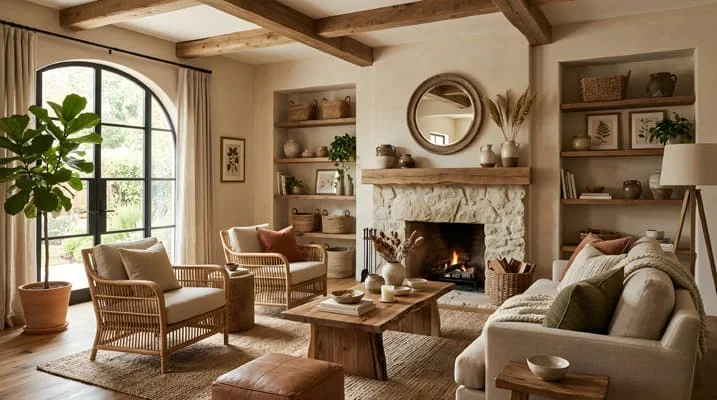
“Material choice in residential architecture is never purely aesthetic; it dictates how inhabitants experience comfort, durability, and connection to place over time.”
The Practical Benefits and Limitations of Using Ceramic, Textile, Fiber, Wall Texture, and Flooring
Each material offers distinct advantages but also comes with limitations that must be acknowledged. Ceramics excel in longevity and ease of cleaning but can be cold and unforgiving underfoot without radiant heating. Textiles and natural fibers enhance warmth and softness but are prone to staining and wear, necessitating maintenance routines that consider household traffic and environmental exposure.
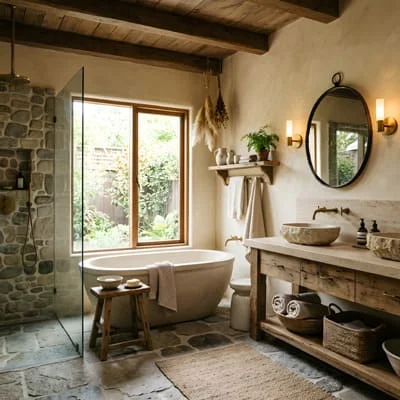
Wall textures can mask minor imperfections and contribute to insulation but might complicate repainting or repairs.
Flooring, particularly when composed of natural materials like hardwood or fiber-based mats, balances durability with aesthetic richness but may falter in high-moisture or high-UV environments.
Selecting the right combination depends on understanding these nuances and how they align with the occupants’ lifestyle and local climate conditions.
“The difference between a well-functioning residential space and a problematic one often lies in how material limitations are anticipated and integrated into design decisions.”
Integrating Textiles and Fibers with Ceramic and Wall Textures for Balanced Interiors
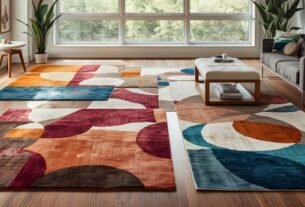
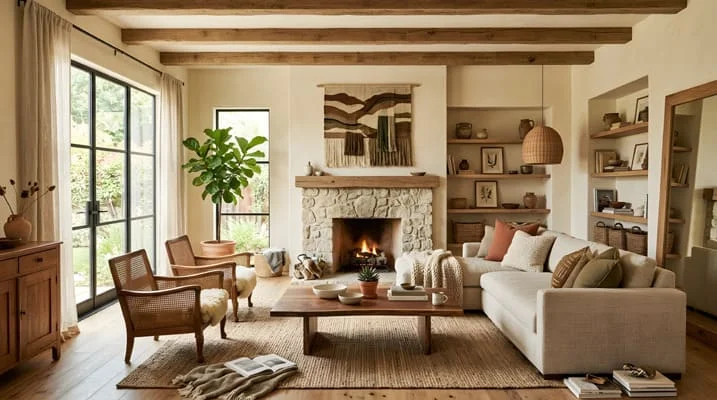
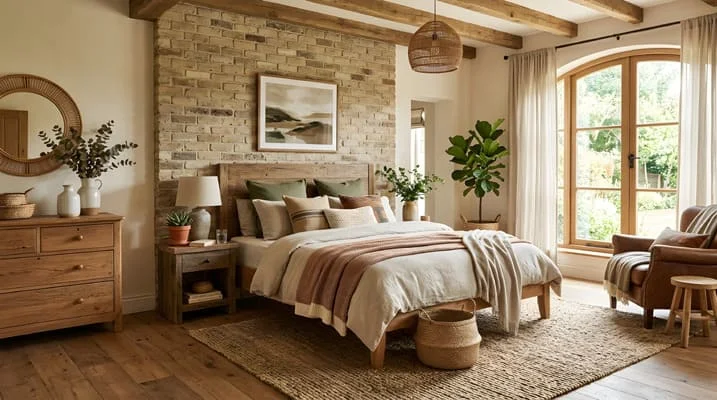
Combining hard and soft materials in interiors is an architectural strategy to create balanced sensory experiences. For example, ceramic tile floors paired with woven fiber rugs soften footsteps and add layers of visual interest. Similarly, textured walls, such as hand-applied plaster or natural fiber wall coverings, counterbalance the smoothness of ceramic surfaces, preventing environments from feeling sterile.
In practice, architects use textiles not only as decorative elements but as functional layers that regulate humidity and acoustics. Natural fibers like sisal or coir provide durability in high-traffic areas, while wool and cotton rugs offer insulation and comfort. The challenge is ensuring these materials harmonize not only visually but also in their response to wear and environmental conditions.
Climate-Aware Choices for Floors, Walls, and Textiles in Residential Architecture
Climate considerations are paramount when selecting ceramic, textile, fiber, wall texture, and flooring materials. In humid regions, ceramics with low porosity prevent moisture penetration, reducing mold risk. Conversely, in dry climates, fiber-based rugs and wall textures can moderate air dryness by retaining humidity. Flooring materials such as bamboo or reclaimed wood respond well to temperature fluctuations due to their natural expansion and contraction properties.
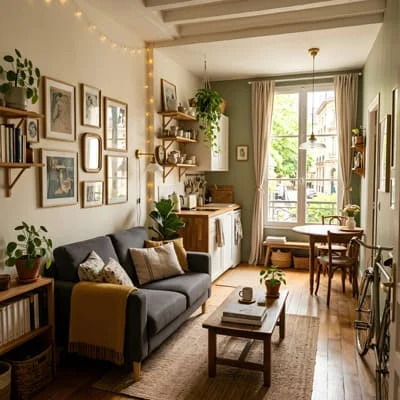
Architects must also account for solar exposure and thermal comfort.
For instance, ceramic floors with underfloor heating systems optimize energy use in colder climates, while light-colored textured walls reflect heat in warmer environments.
This interplay between material properties and climate ultimately shapes the building’s environmental footprint and occupant well-being.
Maintenance, Aging, and Sustainable Practices for Natural Textures in Floors and Walls
Longevity and sustainability of natural materials depend heavily on maintenance and understanding their aging processes. Ceramic surfaces, while resilient, can chip or crack under impact, and grout requires periodic sealing to maintain water resistance. Textiles and fibers collect dust and degrade under UV exposure, demanding regular cleaning and rotation to preserve appearance and function.
Wall textures made from lime plaster or clay develop patinas that enhance character, but synthetic paints or finishes may mask these natural changes. Sustainable design prioritizes materials with low embodied energy and recyclability, encouraging reuse or repurposing of textiles and ceramics. Real-world experience shows that thoughtful upkeep extends the life and beauty of these materials, aligning with slow, intentional living.
“Sustainability in architectural materials emerges not only from selection but from stewardship—how we care for and adapt them over time.”
Frequently Asked Questions (FAQ)
What Advantages Do Ceramic Materials Provide for Residential Floors and Walls?
Ceramic materials offer exceptional durability, resistance to moisture, and ease of cleaning, making them ideal for both floors and walls in homes. They also provide thermal mass, which helps regulate indoor temperatures by absorbing and slowly releasing heat. However, ceramics can feel cold underfoot without radiant heating and may crack if subjected to heavy impact.
How Do Natural Textiles and Fibers Improve Indoor Comfort?
Natural textiles and fibers such as wool, cotton, and jute add softness and warmth to interiors, improving tactile comfort. They also play a key role in acoustic regulation by absorbing sound, reducing echo and noise pollution inside homes. Their porous structure contributes to better indoor air quality by moderating humidity levels, although they require regular maintenance to avoid wear and staining.
What Should Be Considered When Choosing Wall Textures in Residential Design?
Wall textures impact both the aesthetic and functional qualities of a space. They can enhance depth, modulate light, and improve insulation. However, textured walls may complicate repainting and repairs, so selecting materials like lime plaster or natural fiber panels requires balancing their benefits with long-term upkeep. Climate and lifestyle factors should guide these choices.
Are Natural Fiber Floors Suitable for All Climates?
Natural fiber floors, including rugs made from sisal or coir, perform well in dry or temperate climates due to their breathability and insulating properties. In humid or wet environments, they are prone to mold and deterioration unless properly protected. Therefore, their suitability depends on local climate conditions and maintenance capabilities.
How Can Sustainable Practices Be Integrated Into Using Ceramic, Textile, and Fiber Materials?
Sustainability in material use involves selecting products with low embodied energy, recyclability, and durability. For ceramics, choosing locally produced tiles reduces transportation emissions. Textiles and fibers sourced from renewable crops or recycled materials minimize environmental impact. Maintenance and repair prolong material life, aligning with sustainable design principles that favor slow consumption and stewardship.

Architect with extensive experience in residential and commercial design, including renovations and modular construction. Love to share information about Architecture, home and lifestyle in this blog.