
Last updated on September 14th, 2026 at 08:26 pm
The lisianthus flower, known scientifically as Eustoma grandiflorum, has captured the attention of gardeners and floral designers alike for its delicate, rose-like blooms and long vase life. Native to the warm regions of the southern United States, Mexico, and parts of Central America, this flower thrives in well-drained soil and moderate climates. Understanding how to care for lisianthus flowers across different climates is essential for successful cultivation, whether you’re an avid home gardener or managing landscaping in a residential setting.
This article explores the specific needs of lisianthus flowers, addressing climate considerations, soil preferences, watering schedules, and maintenance tips. It aims to bridge practical horticultural knowledge with real-world application, helping you adapt your care routine according to your local environment. By the end, you’ll have a clear strategy for growing healthy lisianthus blooms that complement your outdoor or indoor spaces—no matter where you live.
The Essentials for Growing Lisianthus Flowers
- Lisianthus thrives in climates with moderate temperatures, ideally between 60°F and 75°F, and requires well-drained, slightly alkaline soil.
- Proper watering is critical: overwatering causes root rot, while underwatering stresses the plant, reducing bloom quality.
- Sunlight exposure varies with climate; in hot regions, partial shade during peak afternoon hours prevents flower damage.
- Fertilization with balanced nutrients supports prolonged blooming phases, but excessive nitrogen can promote foliage over flowers.
- Adjusting care routines seasonally and understanding microclimates within your garden can dramatically improve lisianthus success.
How to Grow Lisianthus Flowers in Varied Climates
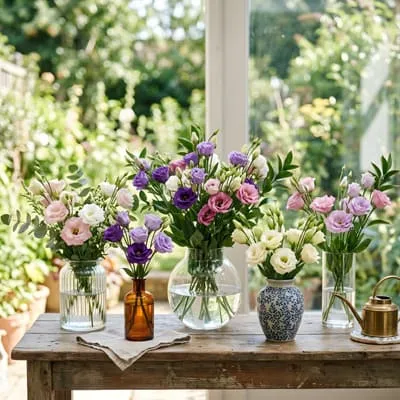
Lisianthus requires careful climate consideration because its growth and flowering respond strongly to temperature and humidity.
In temperate zones, these flowers flourish outdoors with full sun to partial shade, but in hotter climates, they benefit from afternoon shade to avoid heat stress.
Conversely, in cooler regions, starting lisianthus indoors or in greenhouses before transplanting helps extend the growing season and protect delicate buds.
Humidity levels also play a key role. High humidity combined with poor air circulation can lead to fungal diseases such as powdery mildew. In such environments, spacing plants adequately and pruning lower leaves improves airflow. In dry climates, supplemental watering and mulching help maintain soil moisture without waterlogging.
“Lisianthus flowers demand microclimate awareness—success depends less on rigid rules and more on adapting to subtle variations in temperature, light, and moisture.”
Soil Preparation and Nutrient Management for Lisianthus
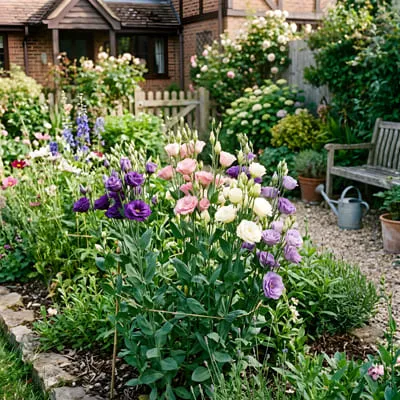
The foundation for healthy lisianthus plants lies in soil preparation. These flowers prefer well-draining soils with a pH between 6.5 and 7.5. Heavy clay or water-retentive soils increase the risk of root diseases. Amending soil with organic matter such as compost or aged manure improves texture and nutrient availability.
Fertilization should be balanced, favoring a formula with equal amounts of nitrogen, phosphorus, and potassium (e.g., 10-10-10).
Excessive nitrogen encourages leafy growth at the expense of flowers, a common mistake. Slow-release fertilizers or liquid feeds every 4 to 6 weeks during the growing season provide steady nutrients without overwhelming the plant.
Watering Techniques Tailored to Lisianthus Needs
Water management is a critical factor in lisianthus cultivation. These plants require consistent moisture, but the roots must never sit in soggy soil. Overwatering often leads to root rot, while drought stress results in poor bud formation and faded blooms.
Drip irrigation or soaker hoses are ideal for delivering water directly to the root zone while keeping foliage dry, reducing fungal risks. Water early in the day to allow leaves to dry before evening. Adjust watering frequency based on weather: more in hot, dry periods and less during cool, humid spells.
Light Exposure and Placement Strategies for Lisianthus
Light intensity significantly influences lisianthus flowering. In cooler climates, full sun maximizes bloom production. .
However, in regions with intense summer heat, partial shade—especially during the afternoon—prevents scorching and flower wilting
For indoor growers or those in unpredictable climates, placing lisianthus near east-facing windows or under filtered light mimics natural conditions.
Supplemental grow lights can extend daylight hours, encouraging stronger stems and more abundant flowers during short winter days.
Common Challenges and Solutions in Lisianthus Cultivation
Lisianthus growers often face issues like bud drop, fungal infections, and pest infestations. Bud drop frequently results from inconsistent watering or sudden temperature changes. Maintaining stable environmental conditions reduces this problem.
Fungal diseases such as botrytis and powdery mildew demand preventive measures: ensure adequate spacing, prune dead or diseased foliage promptly, and apply fungicides if necessary. Common pests include aphids and thrips, which can be controlled with insecticidal soaps or introducing beneficial insects like ladybugs.
“The success of lisianthus cultivation hinges on vigilant monitoring and timely intervention—neglecting subtle signs often leads to irreversible damage.”
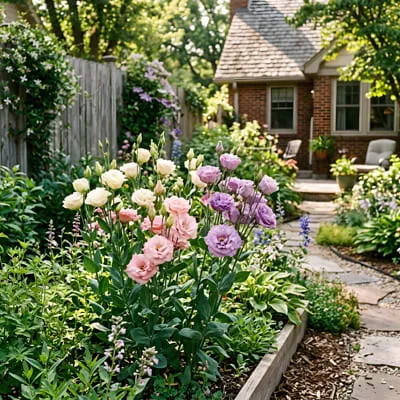
In practice, I have seen lisianthus thrive when gardeners adapt their care based on seasonal shifts and localized climate nuances. For example, a gardener in Arizona benefited from morning sun and afternoon shade, while one in the Pacific Northwest needed to protect plants from excessive moisture through raised beds and mulching.
Next Steps for Cultivating Lisianthus Flowers
Implementing a climate-aware approach to lisianthus care transforms potential frustration into rewarding blooms. Begin by assessing your local temperature ranges, sunlight exposure, and soil conditions.

Adjust watering, fertilization, and placement accordingly.
Track plant responses each season to refine your methods.
Testing these strategies firsthand will reveal the subtle adjustments your lisianthus needs to flourish.
With patience and attention, you can cultivate vibrant flowers that enhance your living spaces year-round.
Frequently Asked Questions ( FAQ)
What is the Best Temperature Range for Growing Lisianthus Flowers?
Lisianthus thrives best between 60°F and 75°F. Temperatures consistently above 85°F can cause heat stress, leading to reduced flowering and wilting, while temperatures below 50°F may stunt growth or damage buds. In cooler climates, starting plants indoors or in a greenhouse can extend the growing season and protect them from cold snaps.
How Often Should I Water Lisianthus Plants?
Water lisianthus consistently to keep the soil evenly moist but not saturated. Typically, watering once or twice a week is sufficient, but this varies with climate and soil type. Using drip irrigation early in the day helps prevent fungal diseases by keeping foliage dry. Adjust frequency during hot or dry periods to prevent stress and bud drop.
Can Lisianthus Grow Indoors, and What Are the Light Requirements?
Lisianthus can be grown indoors if provided with bright, indirect light for at least 6 hours daily. East-facing windows or supplemental grow lights are ideal. Avoid placing them in direct, harsh sunlight that can scorch leaves. Proper ventilation and humidity control indoors also support healthy growth and blooming.
What Common Pests Affect Lisianthus, and How Can They Be Managed?
The most frequent pests are aphids and thrips, which damage foliage and flowers by sucking sap. Insecticidal soaps, neem oil, or introducing natural predators like ladybugs effectively control these pests. Regular inspection and early treatment prevent infestations from spreading and compromising plant health.
Are There Specific Soil Amendments That Improve Lisianthus Growth?
Yes. Adding organic matter such as compost or aged manure improves soil drainage and fertility, both crucial for lisianthus health. Maintaining a slightly alkaline pH between 6.5 and 7.5 helps nutrient uptake. Avoid heavy clay soils or amend them with sand and organic materials to enhance aeration and prevent root diseases.

Architect with extensive experience in residential and commercial design, including renovations and modular construction. Love to share information about Architecture, home and lifestyle in this blog.