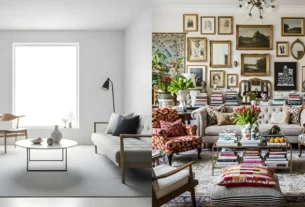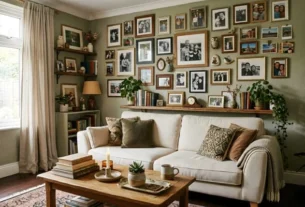
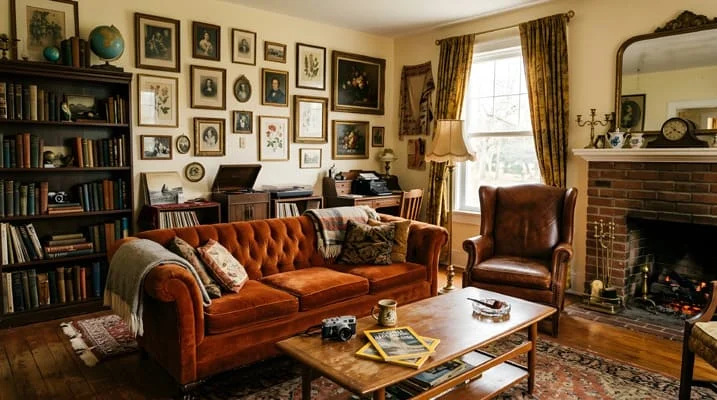
Vintage decor works best when it’s approached as a collection built gradually — piece by piece, era by era — rather than purchased as a matched, coordinated set. The goal is a home that looks like it accumulated character over years, mixing genuine secondhand finds with a few well-chosen new pieces around them.
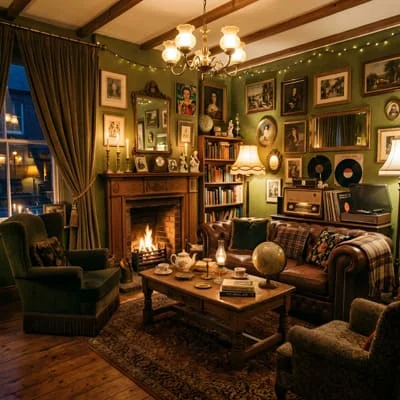
If you’ve ever furnished a room entirely from one retailer’s catalog and felt like something was missing despite every piece technically matching, you’ve experienced exactly the limitation vintage decor solves.
Interior designers themselves have shifted decisively in this direction: an average of 36% of all items sourced for client design projects in 2025 were vintage or antique — the highest share recorded in five years — with 85% of designers now actively incorporating vintage pieces into their work, according to industry survey data reported by The Messenger.
Vintage decor, done well, isn’t about filling a room with old things for their own sake. It’s a genuine styling discipline — knowing where to find real pieces, how to mix eras without the result looking like a thrift store display, and which categories are actually worth the hunt right now. This guide walks through all three.
Why “Collected, Not Coordinated” Is the Defining Vintage Decor Philosophy
A room built entirely from a single retailer’s current collection reads as competent but impersonal — every piece was designed to match every other piece, which means nothing in the room carries any individual story or history.
Vintage decor works from the opposite premise: pieces are chosen individually, over time, for their own character, and the room’s coherence comes from a consistent eye rather than a matched product line.
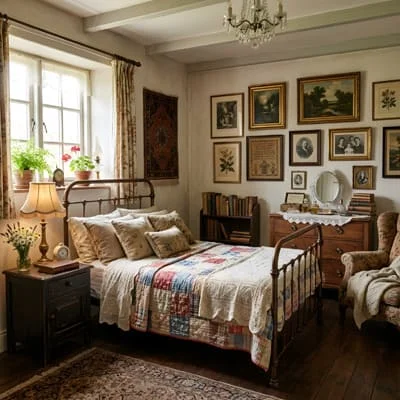
Snippet: “Collected, not coordinated” describes a decorating approach where furniture and objects are sourced individually over time — often vintage or one-of-a-kind — rather than purchased as a matching set, producing a room that reads as personal and layered rather than showroom-styled.
This shift isn’t purely aesthetic preference. Rising new-furniture costs, tariff-driven supply chain pressure, and a genuine consumer appetite for pieces that carry real history are all pushing both professional designers and everyday homeowners toward secondhand sourcing at the same time, rather than one group leading and the other following.
Where to Source Genuine Vintage and One-of-a-Kind Pieces
Sourcing is where most beginners either succeed or get discouraged, and the right venue depends on how much time, budget, and authentication confidence you’re working with.
| Source | Price Range | Authenticity Risk | Time Investment | Best For |
|---|---|---|---|---|
| Estate sales | Low–moderate | Low (often verified provenance) | High (early arrival matters) | Furniture, textiles, full collections |
| Thrift and charity shops | Very low | Moderate (mixed inventory) | High (frequent visits needed) | Small decor, occasional finds |
| Online marketplaces (Chairish, 1stDibs, Etsy) | Moderate–high | Low (seller verification, photos) | Low | Specific searches, hard-to-find pieces |
| Specialty vintage/antique dealers | High | Very low (expert-vetted) | Low | Investment pieces, rare antiques |
| Consignment shops | Moderate | Low–moderate | Moderate | Furniture, curated selections |
Online marketplaces have made vintage sourcing considerably more accessible than it was even a decade ago, letting you search for a specific era, material, or style rather than relying purely on luck at a physical location. Specialty dealers and consignment shops trade some of that low cost for expert vetting, which matters most for larger furniture investments where authenticity and condition genuinely affect long-term value.
How to Mix Eras and Styles Without It Looking Like Clutter
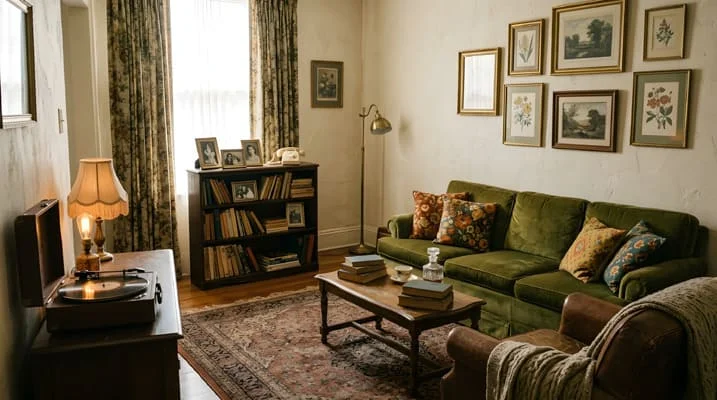
The technical skill that separates a genuinely well-curated vintage room from a cluttered one is restraint applied to variety — embracing pieces from different eras while still maintaining an underlying thread that ties them together.
- Anchor the room with one dominant era or style, then let other pieces from different periods support rather than compete with it.
- Repeat a material or color across eras. A 1950s brass lamp and a Victorian mirror can coexist beautifully if both carry warm metal tones that echo elsewhere in the room.
- Balance ornate pieces with simple ones. A heavily detailed antique cabinet needs quieter, plainer neighbors to avoid visual competition.
- Leave genuine negative space. A room filled entirely with statement vintage pieces reads as cluttered regardless of how good each individual item is.
- Reupholster or refinish selectively to unify pieces from different periods within a shared, current color palette.
Quick tip: If you’re new to mixing eras, start with textiles rather than furniture. A vintage patchwork quilt or embroidered textile piece is lower-cost and lower-commitment than a piece of furniture, and it lets you test how a given era’s color and pattern language works in your space before investing further.
Which Vintage Categories Are Most in Demand Right Now
Not every vintage category is equally sought after at the moment, and knowing where genuine interest — and genuine value — is concentrated helps focus your search.
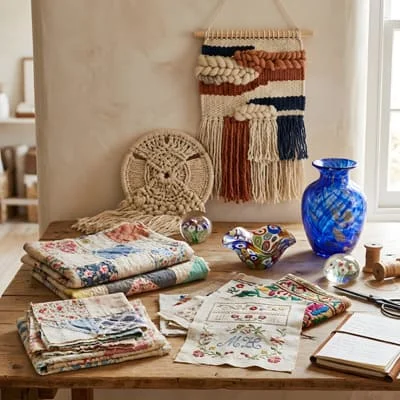
Vintage textiles currently rank as the single most sought-after secondhand category among designers: woven wall pieces, patchwork quilts, embroidered fabric, and pieces pulled specifically for reupholstery.
Murano glass pendants, curved and skirted seating, china cabinets, and handmade ceramics round out current high-demand categories. By era, pieces from the 1920s through the 1950s and genuine pre-1920s antiques are seeing rising designer interest, while enthusiasm for 1970s pieces has cooled somewhat by comparison.
The broader secondhand furniture market reflects this sustained interest at scale — global estimates place the market’s value in the tens of billions of dollars, with multiple industry forecasts projecting continued double-digit growth through the early 2030s, according to market research compiled by Grand View Market Reports. Figures vary somewhat between research firms depending on methodology, but the underlying direction — sustained, structural growth rather than a short-term fad — is consistent across sources.
Practical Tips for Buying, Restoring, and Caring for Vintage Finds
Buying vintage well requires a slightly different evaluation process than buying new, since condition, structural integrity, and authenticity all need genuine assessment rather than being guaranteed by a manufacturer.
Inspect joinery and structural soundness on any furniture piece before purchase — wobbling, cracked joints, or water damage are considerably more expensive to repair than a piece’s purchase price often suggests.
Ask sellers directly about provenance and era when buying anything represented as genuinely antique, particularly for higher-cost pieces where authenticity meaningfully affects value.
Budget for reupholstery or refinishing as part of the total cost of a vintage piece, not an optional extra, since these costs can meaningfully change whether a bargain-priced find is actually a good value once restored to usable condition.
Common Mistakes When Decorating with Vintage
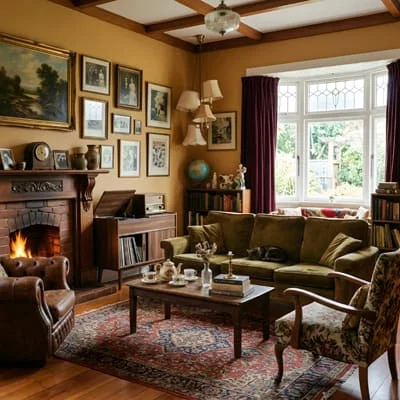
A handful of habits consistently undermine an otherwise promising vintage decorating effort.
- Buying without a plan for where a piece will actually go, resulting in an accumulation of unrelated items rather than a coherent collection.
- Skipping structural inspection on furniture, only discovering damage after the piece is already home.
- Overloading a room with too many statement vintage pieces at once, rather than balancing them with quieter, simpler items.
- Ignoring restoration costs when evaluating whether a low-priced find is genuinely a good deal.
- Chasing every trending era simultaneously, rather than developing a consistent personal eye that ties a collection together over time.
Building a Home That Looks Like It Took Years to Assemble
Genuine vintage decor rewards patience over speed — a room built piece by piece, from real sourcing and a consistent eye, will always read as more personal than one furnished in a single trip. Start with textiles or smaller decor items if you’re new to the approach, learn to inspect condition and structure before committing to furniture, and let your collection grow gradually rather than trying to complete the look all at once. If you’ve found a genuinely great vintage piece that anchors a room in your own home, I’d love to hear the story behind it.

Architect with extensive experience in residential and commercial design, including renovations and modular construction. Love to share information about Architecture, home and lifestyle in this blog.