Last updated on September 14th, 2026 at 08:04 pm
Plants form the foundation of terrestrial ecosystems, yet their diversity spans an extraordinary range of forms, functions, and adaptations. Understanding the different types of plants is essential not only for botanists but for anyone interested in gardening, landscaping, or sustainable living. This article explores the main categories of plants especially, raised garden, providing insight into their biological characteristics, ecological roles, and practical applications in residential settings.
By examining the classifications from a technical and experiential perspective, this discussion will clarify why certain plants thrive in specific environments and how their types influence garden design, climate adaptation, and even architectural landscaping. The goal is to offer a nuanced understanding of plant diversity that goes beyond simple lists, connecting botanical theory with everyday use.
The Essentials of Plant Diversity
- Plants are broadly classified into vascular and non-vascular groups, distinguished by their internal transport systems and structural complexity.
- Seed-producing plants, including angiosperms and gymnosperms, dominate most terrestrial landscapes and provide critical ecosystem services.
- Understanding plant types helps optimize garden design for climate resilience and sustainable maintenance.
- Perennials, annuals, and biennials differ in life cycle duration, affecting planting strategies in residential landscapes.
- Specialized plant categories, such as succulents and epiphytes, illustrate adaptations to diverse environmental conditions.
Understanding the Main Types of Plants and Their Biological Significance
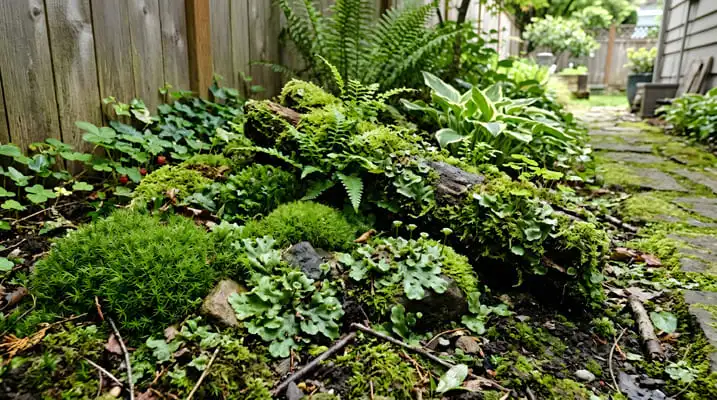
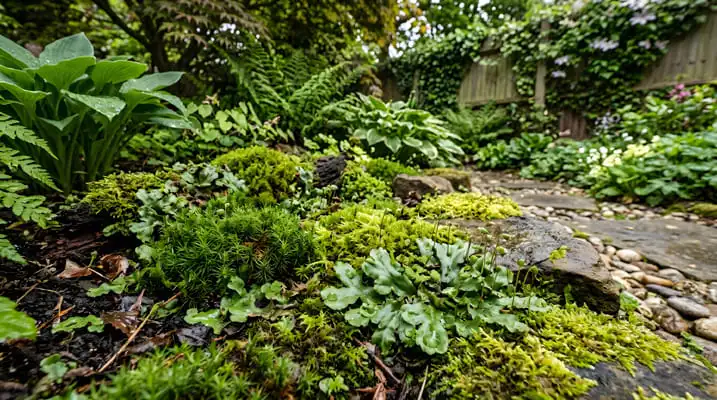
At the core of botany lies the division between non-vascular and vascular plants. Non-vascular plants, such as mosses and liverworts, lack specialized tissues for water and nutrient conduction.
They are typically small and thrive in moist environments. Vascular plants possess xylem and phloem, specialized tissues that transport water, minerals, and sugars, enabling greater size and complexity.
Within vascular plants, seed production is a critical evolutionary advancement.
Gymnosperms, like conifers, produce naked seeds often in cones, while angiosperms, or flowering plants, enclose seeds within fruits.
This distinction is fundamental for understanding plant reproduction and diversity. Angiosperms represent the largest group, encompassing everything from grasses to large hardwood trees.
“The division between vascular and non-vascular plants marks a profound evolutionary threshold, enabling plants to colonize a vast array of terrestrial habitats with varied structural and reproductive strategies.”
The Role of Plant Life Cycles: Annuals, Biennials, and Perennials in Garden Design
Plant life cycles significantly impact how species are integrated into landscapes. Annual plants complete their entire life cycle—from germination to seed production—within one growing season. These plants often provide quick bursts of color or foliage but require replanting each year.
Biennials span two years, typically focusing on vegetative growth in the first and flowering in the second. Perennials live for multiple years, often entering dormancy during unfavorable seasons and regrowing annually. Their longevity makes them foundational in stable garden designs and ecological restoration efforts.
From practical experience, many gardeners underestimate the maintenance implications tied to life cycle types. I’ve seen cases where reliance on annuals in climates with short growing seasons leads to inconsistent garden performance, whereas perennials offer more predictable structure and require less frequent intervention.
Specialized Plant Types: Succulents, Epiphytes, and Aquatic Plants as Climate Adaptations
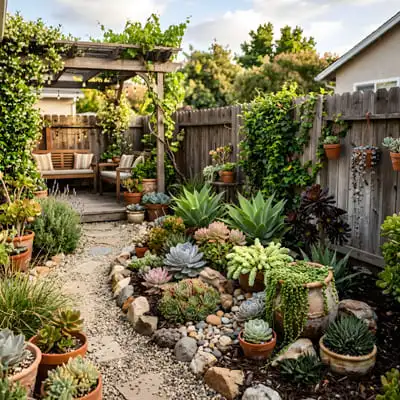
Specialized plants demonstrate remarkable adaptations to specific environmental pressures. Succulents, such as cacti and aloe, store water in thickened leaves or stems, enabling survival in arid climates.
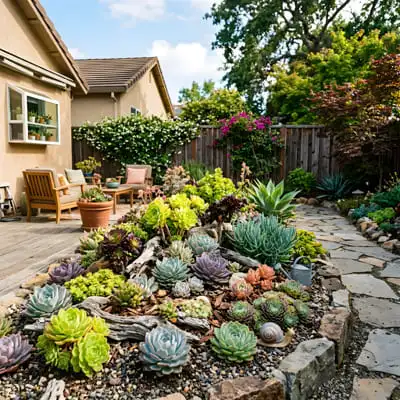
Their physiology minimizes water loss while maximizing storage capacity, making them ideal for drought-prone residential gardens.
Epiphytes, including many orchids and bromeliads, grow on other plants without extracting nutrients from their hosts.
They absorb moisture and nutrients from the air, illustrating a unique niche in tropical and subtropical ecosystems.
Aquatic plants like water lilies or cattails thrive submerged or partially submerged, contributing to water filtration and habitat complexity in wetland landscaping.
“Specialized plant groups embody nature’s ingenuity, tailoring physiological and morphological traits to thrive under extreme or unique environmental constraints.”
Woody Plants Versus Herbaceous Plants: Structural and Functional Differences
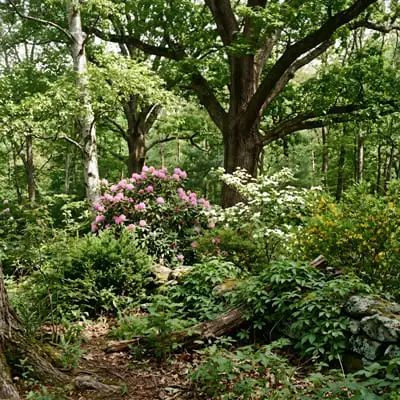
Woody plants, including trees and shrubs, produce lignified tissues that provide structural support, allowing them to grow tall and live for decades or centuries.
Their wood enables resistance to environmental stressors such as wind or drought. In contrast, herbaceous plants have softer, non-woody stems and often complete their life cycle quickly.
In residential landscapes, the choice between woody and herbaceous plants shapes spatial dynamics, microclimates, and maintenance regimes.
Woody plants offer shade and habitat but require long-term planning and investment.
Herbaceous plants provide seasonal interest and flexibility but may demand more frequent replacement.
How Understanding Types of Plants Enhances Sustainable Backyard Design
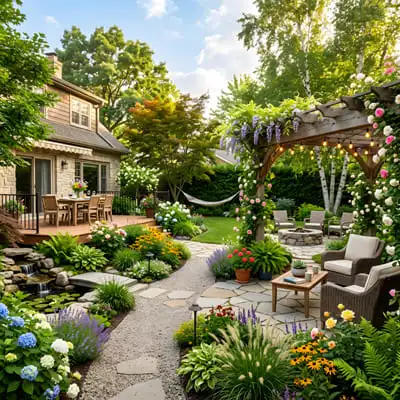
Successfully incorporating diverse plant types into backyard design requires more than aesthetic preference; it demands ecological awareness and practical knowledge. Selecting plants suited to local climate, soil conditions, and water availability reduces resource consumption and improves resilience.
Raised garden beds, for example, allow control over soil quality and drainage, expanding the range of plant types that can thrive. Integrating native perennials with drought-tolerant succulents or seasonal annuals can create a layered, sustainable landscape.
This approach reflects a slow, intentional design philosophy that balances human needs with environmental stewardship.
Viable garden strategies emerge when one respects the biological and ecological characteristics of plant types rather than imposing uniform solutions.
This method supports biodiversity, reduces maintenance costs, and aligns with climate-aware residential architecture.
Frequently Asked Questions (FAQ)
What Distinguishes Vascular Plants from Non-vascular Plants?
Vascular plants have specialized tissues—xylem and phloem—that transport water, nutrients, and sugars throughout the plant, enabling them to grow larger and inhabit diverse environments. Non-vascular plants lack these tissues, limiting them to moist, low-growing forms like mosses. This distinction is fundamental for understanding plant structure and ecological roles.
How Does the Life Cycle of a Plant Affect Its Use in Gardening?
Plant life cycles determine how long a plant lives and when it flowers or produces seeds. Annuals complete their cycle in one season and need replanting yearly, while perennials live multiple years, offering stability. Biennials take two years to complete their cycle. Choosing the right life cycle type helps manage garden maintenance and design for seasonal interest.
Why Are Succulents Suitable for Drought-prone Areas?
Succulents have adapted to store water in their leaves or stems, allowing them to survive long periods without rainfall. Their thick, fleshy tissues minimize water loss and optimize storage, making them excellent choices for gardens in arid or drought-prone climates where water conservation is critical.
What Role Do Woody Plants Play in Residential Landscaping?
Woody plants like trees and shrubs provide structure, shade, and long-term stability in landscapes. Their lignified tissues allow them to grow tall and resist environmental stresses. Incorporating woody plants in residential design creates microclimates, supports wildlife, and can reduce energy costs by shading buildings.
How Can Understanding Plant Types Lead to More Sustainable Backyard Design?
Knowing the characteristics of different plant types enables gardeners and designers to select species adapted to local climates and soil conditions. This reduces water use, maintenance, and the need for chemical inputs. Sustainable design often combines native perennials, drought-tolerant plants, and proper soil management to create resilient, eco-friendly gardens.

Architect with extensive experience in residential and commercial design, including renovations and modular construction. Love to share information about Architecture, home and lifestyle in this blog.