The Eucalyptus parvifolia species stands out as a lesser-known yet ecologically valuable member of the eucalyptus family. Native to specific regions of Australia, this tree offers unique characteristics that make it significant both in natural ecosystems and various practical applications. Understanding the growth patterns, size, and ideal uses of Eucalyptus parvifolia provides critical insight for botanists, landscapers, and conservationists alike.
In this article, we explore Eucalyptus parvifolia from an expert perspective, unpacking its botanical traits, cultivation requirements, and how it fits into broader environmental and commercial contexts. Whether you are considering it for restoration projects or landscaping, the detailed information here equips you with a grounded view beyond superficial descriptions.
The Essentials of Eucalyptus Parvifolia
- Eucalyptus parvifolia is a small to medium-sized tree native to the arid and semi-arid regions of Western Australia, adapted to survive in nutrient-poor soils.
- Its slow growth rate and dense, fine foliage distinguish it from other eucalyptus species, making it well-suited for windbreaks and erosion control.
- The species demonstrates remarkable drought tolerance but requires well-drained soils to avoid root rot, indicating specific limitations in cultivation.
- Uses range from ecological restoration to ornamental planting, yet its wood has limited commercial value due to small trunk size and irregular form.
- Scientific studies from Australian botanical institutions emphasize the importance of protecting its native habitat, as environmental changes pose risks to its populations.
What is Eucalyptus Parvifolia and Where Does It Grow Naturally
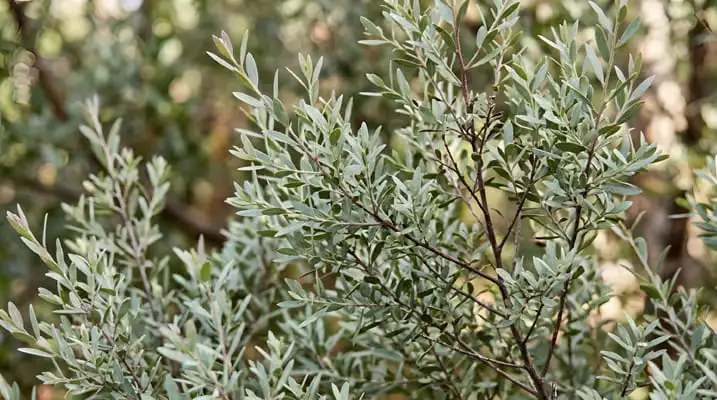
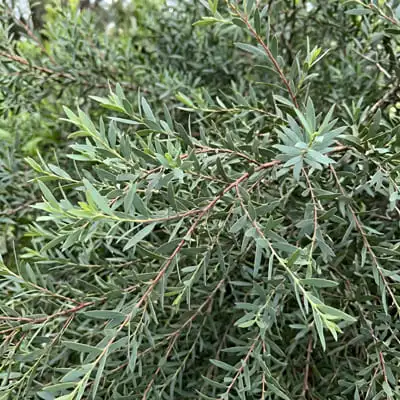
Eucalyptus parvifolia belongs to the Myrtaceae family, described scientifically as a mallee or small tree native to Western Australia’s inland regions. The species name “parvifolia” translates to “small leaves,” referring to its fine, narrow foliage that reduces water loss in arid climates.
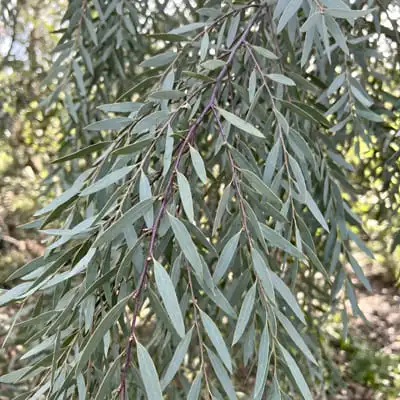
This adaptive trait allows it to thrive where rainfall is scarce and temperatures are extreme.
Natural populations of Eucalyptus parvifolia are typically found in sandy or gravelly soils within semi-arid zones, often forming part of open woodland communities.
It plays a role in stabilizing soil and supporting local biodiversity. However, its distribution is patchy due to habitat specificity, and human activities such as land clearing have impacted its range.
“Eucalyptus parvifolia’s survival hinges on its specialized adaptation to harsh, nutrient-poor soils, making it a key species for ecosystem resilience in semi-arid Australian landscapes.”
Growth Patterns and Size Characteristics of Eucalyptus Parvifolia
Unlike many fast-growing eucalyptus species, Eucalyptus parvifolia exhibits a slow to moderate growth rate. Mature trees typically reach heights between 10 to 15 meters, with some specimens remaining smaller under suboptimal conditions. The crown tends to be dense and rounded, formed by numerous slender branches.
This species displays a lignotuber—a woody swelling at the root crown—that allows it to regenerate after fire or mechanical damage, a common survival mechanism in Australian flora. The small, lanceolate leaves measure approximately 3 to 7 centimeters long, contributing to its drought tolerance by minimizing transpiration.
- Height at maturity: 10–15 meters
- Leaf length: 3–7 centimeters, narrow and small
- Growth rate: slow to moderate, depending on soil and climate
- Lignotuber presence enables post-fire regeneration
In practice, I have observed plantations where Eucalyptus parvifolia maintained robust health but required patience for significant height gain. This behavior contrasts sharply with species like Eucalyptus globulus, known for rapid growth but less drought resistance.
Best Uses for Eucalyptus Parvifolia in Landscaping and Restoration
Due to its modest size and fine foliage, Eucalyptus parvifolia excels in several practical applications. In landscape architecture, it serves as an effective windbreak or screening tree, particularly in dry environments where water conservation is vital.
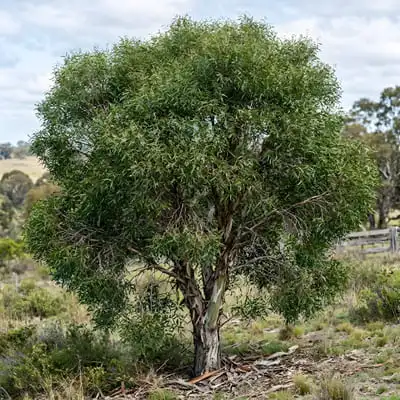
Its root system helps stabilize soil, reducing erosion on slopes and degraded lands.
Ecological restoration projects benefit from this species because it supports native fauna and contributes to habitat complexity.
Although its wood is not commercially prized for timber, the tree’s resilience and low maintenance requirements make it a sustainable choice for rehabilitation efforts.
“The difference between Eucalyptus parvifolia and more commercially exploited eucalyptus species lies in ecological value rather than timber yield, underscoring its role in environmental stewardship.”
Landowners and environmental planners should consider its drought resistance and soil preferences to optimize planting success. It is less suitable for heavy clay or waterlogged soils, which can lead to root diseases.
Soil, Climate, and Cultivation Requirements for Eucalyptus Parvifolia
Successful cultivation of Eucalyptus parvifolia depends on replicating its natural habitat conditions. The species thrives on well-drained sandy or gravelly soils with low to moderate fertility. Excessive moisture or poor drainage often results in root rot, which can be fatal.
Climatically, it tolerates high temperatures and prolonged drought periods, common in its native semi-arid zones. However, it is not frost-hardy, limiting its viability in colder regions. Propagation is typically done through seeds, which require scarification or stratification for optimal germination.
- Preferred soil: sandy, well-drained, low fertility
- Climate tolerance: drought-resistant, not frost-tolerant
- Propagation: seed-based, with pre-treatment to enhance germination
- Watering: minimal once established, avoid waterlogging
In my experience managing native plant nurseries, seedling survival improves significantly when grown in raised beds or containers with drainage control. This practice mimics the natural conditions and reduces fungal issues.
Limitations and Conservation Status of Eucalyptus Parvifolia
Despite its adaptability, Eucalyptus parvifolia faces ecological pressures. Its limited geographic distribution makes it vulnerable to habitat destruction and climate change.
Clearing land for agriculture or mining disrupts populations and reduces genetic diversity.
Conservation efforts by Australian environmental agencies classify it as a species requiring monitoring, though it is not currently listed as endangered.
Restoration initiatives aim to reintroduce Eucalyptus parvifolia in degraded areas, balancing ecological benefits against the challenges of slow growth and specific soil needs.
There is some debate about its suitability for large-scale commercial planting due to slow biomass accumulation, but its ecological role remains undisputed. Integrating Eucalyptus parvifolia into mixed-species plantings can enhance resilience and biodiversity.
“Eucalyptus parvifolia demonstrates that ecological value often surpasses commercial utility, with its preservation essential for maintaining semi-arid woodland ecosystems.”
Strategic conservation planning must account for its niche requirements to avoid unsuccessful reforestation attempts.
Frequently Asked Questions (FAQ)
What Distinguishes Eucalyptus Parvifolia from Other Eucalyptus Species?
Eucalyptus parvifolia is distinguished by its smaller leaves, slower growth rate, and adaptation to arid, nutrient-poor soils. Unlike fast-growing eucalyptus types used in timber production, it focuses on drought tolerance and soil stabilization, making it ideal for ecological restoration rather than commercial forestry.
Can Eucalyptus Parvifolia Be Grown Outside Its Native Range?
While it can be cultivated in regions with similar semi-arid climates and well-drained soils, Eucalyptus parvifolia is sensitive to frost and waterlogged conditions. Successful growth outside its native habitat requires careful attention to soil type and climate to prevent stress or disease.
What Are the Primary Ecological Benefits of Planting Eucalyptus Parvifolia?
This species supports local biodiversity by providing habitat and food sources for native fauna. Its dense root system reduces soil erosion, and its ability to regenerate after fire contributes to landscape resilience. These traits make it valuable in restoration and conservation projects.
Is Eucalyptus Parvifolia Suitable for Timber or Commercial Wood Products?
No, Eucalyptus parvifolia is generally not grown for timber due to its smaller trunk size and irregular form. Its wood lacks the volume and quality demanded by commercial markets, so its primary value lies in ecological and landscaping applications.
How Should Eucalyptus Parvifolia Be Propagated for Best Results?
Propagation is typically done by seed, which benefits from treatments like scarification or stratification to break dormancy. Seedlings require well-drained soil and protection from excessive moisture. Nursery-grown plants have higher survival rates when initially cultivated in controlled conditions.

Architect with extensive experience in residential and commercial design, including renovations and modular construction. Love to share information about Architecture, home and lifestyle in this blog.