Last updated on November 2nd, 2026 at 06:26 pm
An outdoor fire feature — whether a traditional fire pit or a modern fire table — extends usable patio time into cooler months while serving as a genuine gathering point. The right choice depends on your available space, whether you want built-in or portable heating, local fire regulations, and how the feature needs to integrate with existing seating and hardscape.
Choosing between a fire pit and a fire table isn’t just an aesthetic decision, even though most homeowners approach it that way. Each option comes with real differences in fuel type, maintenance, safety clearance, and how naturally it fits into an existing outdoor living layout — differences that matter considerably more once you’re actually living with the feature than they do while browsing photos.
Interest in fire features specifically continues to climb alongside broader outdoor living investment, and 77 percent of U.S. homeowners say they wish they had more functional outdoor living space, according to the International Casual Furnishings Association, a trend that puts genuine pressure on getting features like fire pits right rather than treating them as an afterthought purchase.
An outdoor fire feature is really a decision with three layers: the format (pit versus table), the fuel source, and the placement within your existing or planned outdoor living space. This guide walks through all three, with a direct comparison to help you choose the right fit for your specific patio, yard, or terrace.
Fire Pit vs. Fire Table: What’s the Real Difference
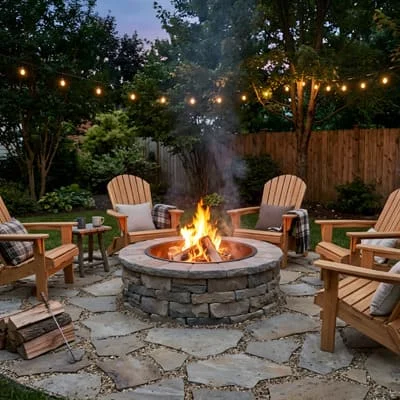
A fire pit is a standalone bowl, ring, or built-in structure centered on an open flame, typically wood-burning or gas, designed primarily as a heat and gathering focal point. A fire table integrates that same flame source into a piece of furniture — a coffee-table-height or dining-height surface with the burner set into the top — functioning simultaneously as heating and as usable table space.
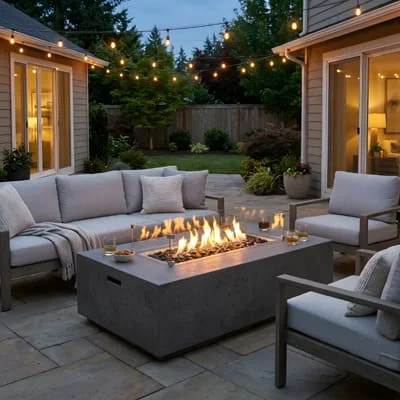
That distinction shapes almost everything else about the decision.
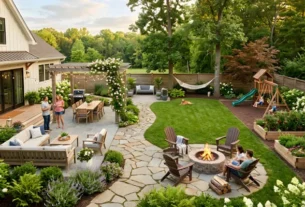
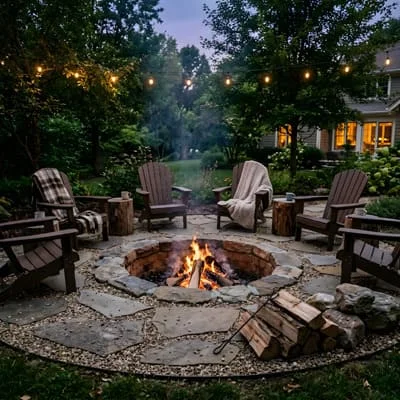
A fire pit tends to read as a landscape feature, often positioned as the anchor of a seating circle set apart from other furniture.
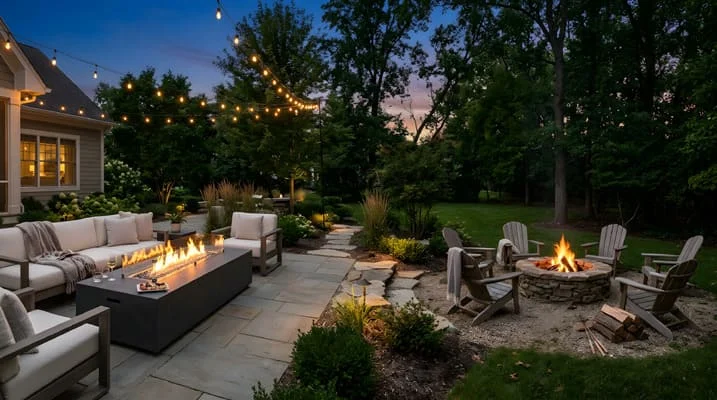
A fire table reads as furniture first, fitting directly into an existing seating arrangement the way a coffee table or ottoman would, which makes it a genuinely more space-efficient choice for a smaller patio that can’t accommodate a separate dedicated fire zone.
Comparing Fire Pit and Fire Table Options
| Feature | Fuel Options | Space Needed | Portability | Maintenance | Best Fit |
|---|---|---|---|---|---|
| In-ground fire pit | Wood, gas | Large — dedicated zone | None (permanent) | Moderate–high | Large yards, dedicated fire zone |
| Above-ground fire pit | Wood, propane, gas | Moderate | Some models portable | Moderate | Mid-size patios |
| Fire table | Propane, natural gas | Minimal — fits within seating | Some models portable | Low | Small–mid patios, dual-purpose use |
| Portable fire bowl | Propane, gel fuel | Minimal | Fully portable | Very low | Balconies, rentals, small spaces |
In-ground, wood-burning fire pits deliver the most traditional experience but need the most space and ongoing upkeep — ash removal, dry wood storage, and periodic cleaning of the pit itself. Fire tables and portable fire bowls trade some of that atmosphere for genuine convenience and flexibility, which is often the better trade for anyone working with a smaller or multi-use outdoor space.
A fire pit is a standalone heat and gathering feature, while a fire table integrates the same flame source into usable furniture — the right choice depends primarily on available space and whether you want a dedicated fire zone or a dual-purpose piece within existing seating.
Fuel Type: Wood, Propane, or Natural Gas
Fuel choice affects cost, convenience, and ambiance more than almost any other decision in this comparison.
Wood-burning options deliver the most authentic sensory experience — real crackle, scent, and visible flame movement — but require a reliable dry wood supply and regular cleanup, and they’re the option most likely to fall under local burn restrictions during dry seasons..
Propane offers genuine convenience: instant ignition, no ash, and a reasonably portable fuel source, though it does require periodically swapping or refilling tanks.
Natural gas, run from a fixed line, offers the most hands-off ongoing experience once installed, at a higher upfront installation cost that typically only makes sense for a permanent, built-in feature
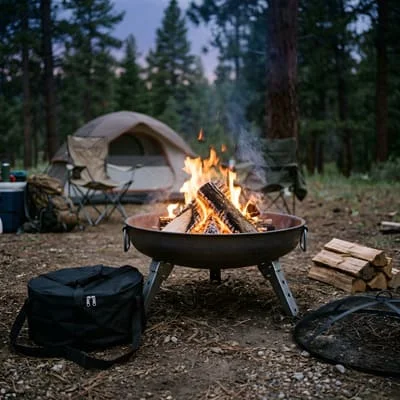
Quick tip: If your outdoor living space includes a covered structure or is positioned close to your home’s exterior, propane or natural gas is generally the safer, lower-maintenance choice over an open wood fire, since it eliminates airborne embers and reduces smoke exposure near combustible surfaces.
Placement, Clearance, and Local Regulations
Placement decisions matter as much for safety as for how well the feature integrates into your existing layout.
- Check local fire codes before purchasing. Many municipalities regulate open-flame fire pits specifically, including required clearance from structures, fences, and property lines — rules that often don’t apply the same way to enclosed gas fire tables.
- Maintain genuine clearance from structures and vegetation. The National Fire Protection Association’s outdoor heater and fire safety guidance recommends keeping flammable material well clear of any open flame source, a standard that applies to fire pits just as directly as to patio heaters.
- Choose a stable, non-combustible base — pavers, gravel, or concrete — rather than placing a fire feature directly on a wood deck or dry lawn surface.
- Position relative to prevailing wind, so smoke from a wood-burning feature doesn’t consistently blow across your primary seating area.
- Confirm HOA or rental restrictions where applicable, since these can be more restrictive than municipal code alone.
Integrating Your Fire Feature Into the Rest of Your Outdoor Space
Once format, fuel, and placement are settled, the fire feature becomes a genuine anchor for the surrounding seating, in much the same way any structural focal point organizes a well-designed outdoor room. Seating arranged in a broad circle or arc around a fire pit maximizes how many people can comfortably feel the radiant heat, while a fire table’s integrated surface works naturally within an existing conversational seating group rather than requiring a separate zone entirely.
Durable, weather-resistant furniture materials matter here more than in almost any other part of an outdoor living space, since this seating area is specifically designed for extended cold-weather use — teak, powder-coated aluminum, and genuinely all-weather wicker consistently outperform lower-grade materials exposed through a full cold season.
Rising demand for exactly this kind of year-round outdoor living space is well documented: covered patios and weather-resistant outdoor features appeared in 163 percent more home listings year over year, according to Realtor.com’s 2025 Home Trends Report, underscoring how much genuine value homeowners now place on outdoor spaces built to handle more than just peak summer weather.
Common Mistakes When Choosing an Outdoor Fire Feature
- Choosing a wood-burning pit for a small or enclosed patio, underestimating smoke buildup and local burn restrictions.
- Skipping the local fire code check, only discovering a clearance violation after installation.
- Placing a fire table where it doesn’t genuinely fit the existing seating flow, treating it as a decoration rather than functional furniture.
- Choosing fuel type based on ambiance alone, without weighing genuine maintenance tolerance and convenience needs.
- Ignoring wind direction and structure proximity when finalizing placement.
Finding the Right Fire Feature for Your Outdoor Living Space
Choosing between a fire pit and a fire table ultimately comes down to space, fuel preference, and how the feature needs to function within your broader outdoor living layout — as a dedicated gathering zone or as dual-purpose furniture. Check your local regulations first, match fuel type to your maintenance tolerance and setting, and give the feature genuine room to anchor the seating around it. Whichever outdoor fire feature you choose, getting placement and clearance right from the start is what makes the difference between a feature you use constantly through the cooler months and one that ends up an afterthought. If you’ve added a fire pit or fire table to your own space, I’d love to hear which format has worked best for how you actually use your patio.

Architect with extensive experience in residential and commercial design, including renovations and modular construction. Love to share information about Architecture, home and lifestyle in this blog.