Last updated on October 12th, 2026 at 07:44 am
Coastal residential architecture represents a specialized approach to designing homes that embrace both the beauty and complexity of seaside environments. This architectural style is vital for creating resilient, sustainable, and aesthetically pleasing living spaces that respond thoughtfully to the coastal site’s unique conditions. Understanding the site, challenges, price factors, and design strategies is essential for architects and homeowners aiming to build along coastlines.
Building near the coast involves navigating numerous challenges, including harsh weather, erosion, and regulatory constraints. These factors directly impact project pricing and influence critical design decisions. Addressing these challenges methodically ensures that coastal homes remain durable, energy-efficient, and harmoniously integrated with their environment.
This article explores key considerations related to site analysis, environmental challenges, and cost management in coastal residential architecture. Through detailed sections, we will examine best practices for successful coastal projects, emphasizing climate awareness, human-centered design, and intentional architectural choices.
Understanding Coastal Sites and Their Unique Characteristics
Site Analysis and Environmental Assessment
Evaluating a coastal site requires a comprehensive environmental assessment to identify natural features and potential hazards. This process includes studying topography, soil composition, tidal patterns, and vegetation. A detailed site analysis helps architects anticipate flooding risks, erosion, and the impact of saltwater exposure on building materials.
Incorporating this data early in the design phase supports informed decisions that enhance durability and sustainability. It also lays the groundwork for complying with local coastal regulations and conservation requirements, which are crucial to protect fragile ecosystems.
Understanding these environmental factors enables designers to create homes that are not only beautiful but resilient against the challenges posed by a coastal setting.
Microclimate Considerations in Coastal Architecture
Coastal microclimates often feature high humidity, strong winds, and temperature fluctuations that influence building performance. Recognizing these conditions drives choices in ventilation, insulation, and material selection. For example, orienting the building to optimize natural airflow can reduce reliance on mechanical cooling systems.
Additionally, incorporating shading elements and thermal mass helps moderate indoor temperatures, enhancing comfort and energy efficiency. Tailoring architectural responses to the microclimate ensures that coastal homes maintain a calm and intentional atmosphere that aligns with human-centered design principles.
These strategies also mitigate the effects of salt-laden air, which can accelerate corrosion and material degradation if not properly addressed.
Regulatory and Zoning Challenges for Coastal Sites
Coastal properties typically fall under stringent zoning laws and environmental regulations aimed at preserving coastal habitats and preventing overdevelopment. Understanding these legal frameworks is crucial to avoid costly redesigns and delays. Permitting processes often involve coordination with multiple agencies overseeing wetlands, flood zones, and protected species.
Architects must balance creative design aspirations with regulatory compliance, adapting plans to meet setback requirements, height restrictions, and storm surge protections. Proactive engagement with regulatory bodies expedites approvals and ensures that the project aligns with broader environmental sustainability goals.
In addition, knowledge of these challenges aids in accurate pricing and timeline forecasts, reducing financial risks associated with coastal construction.
Addressing Coastal Challenges Through Design Innovation
Strategies for Resilience Against Coastal Hazards
- Elevated foundations to prevent flood damage
- Use of corrosion-resistant materials
- Wind-resistant structural systems
- Stormwater management and drainage solutions
- Vegetation buffers to reduce erosion
Designing for resilience is a cornerstone of coastal residential architecture. Elevated foundations protect living spaces from flooding, while selecting materials that withstand salt corrosion extends building lifespan. Structural systems engineered to resist strong winds prevent catastrophic failures during storms.
Incorporating effective stormwater management reduces erosion and water pooling, safeguarding the site’s integrity. Moreover, integrating native vegetation buffers stabilizes soil and enhances the natural landscape. Collectively, these strategies mitigate the inherent risks of coastal environments and contribute to long-term sustainability.
Balancing Aesthetic and Functional Design
Coastal homes should embody a calm, intentional aesthetic that reflects the natural setting without resorting to superficial decoration. Functional design principles prioritize human comfort and environmental responsiveness. For example, large operable windows frame ocean views while facilitating cross-ventilation.
Minimalist material palettes and clean lines emphasize architectural authenticity, avoiding unnecessary ornamentation. This approach not only enhances visual harmony but also reduces maintenance costs and environmental impact. The result is a living space that feels grounded and intimately connected to its site.
Such designs demonstrate how architectural expertise can translate into spaces that reflect how people truly live in coastal environments.
Innovative Technologies for Coastal Living
Emerging technologies play an important role in addressing coastal challenges and optimizing building performance. Solar panels, energy-efficient windows, and smart home systems reduce energy consumption and enhance occupant comfort. Advanced weather monitoring tools enable proactive maintenance and disaster preparedness.
Water recycling systems and rainwater harvesting contribute to sustainable resource management, critical in regions with limited freshwater availability.
Furthermore, the integration of durable, low-maintenance materials ensures buildings withstand the coastal climate’s wear and tear.
These technologies support a slow, intentional lifestyle aligned with environmental stewardship and architectural integrity.
Cost Factors and Pricing Considerations in Coastal Residential Construction
Breakdown of Coastal Construction Costs
- Site preparation and soil stabilization
- Specialized foundations and flood mitigation
- Durable, corrosion-resistant materials
- Storm-proof windows and doors
- Permitting and regulatory compliance fees
- Labor costs for skilled coastal construction
Building on a coastal site typically incurs higher costs than inland projects due to specialized requirements. Site preparation often involves soil testing and stabilization to mitigate erosion risks. Foundations must be engineered to elevate and protect structures from flooding and storm surges.
The use of corrosion-resistant materials and impact-resistant windows adds to material expenses, while labor costs increase because of the need for specialized construction techniques. Additionally, regulatory compliance can extend project timelines, influencing overall pricing.
Understanding these cost drivers is essential for accurate budgeting and realistic expectations.
Cost Comparison of Coastal Building Materials
| Material | Durability | Estimated Cost (per sq ft) |
|---|---|---|
| Fiber Cement Siding | High resistance to moisture and salt | $7 – $12 |
| Marine-Grade Stainless Steel | Excellent corrosion resistance | $15 – $25 |
| Pressure-Treated Wood | Moderate, requires maintenance | $5 – $9 |
Choosing the right materials directly impacts both upfront costs and long-term maintenance expenses. Fiber cement siding offers a durable, low-maintenance option suitable for coastal climates, balancing cost and performance. Marine-grade stainless steel, while more expensive, provides superior corrosion resistance for structural elements and hardware.
Pressure-treated wood remains a more affordable but less durable choice, requiring ongoing upkeep. This cost comparison informs decision-making aligned with budget constraints and design goals.
Budgeting and Financial Planning for Coastal Homes
Effective budgeting for coastal residential projects must account for unpredictable variables such as weather delays and regulatory modifications. Incorporating contingency funds for unforeseen site challenges safeguards against cost overruns. Detailed cost estimation includes material procurement, labor, permits, and specialized engineering fees.
Collaboration between architects, contractors, and clients throughout the process ensures transparency and realistic expectations. Phased construction approaches can also help manage cash flow and adapt to evolving project needs.
Proper financial planning empowers stakeholders to achieve a high-quality coastal home that respects both the environment and budget limitations.
Site Planning Strategies to Overcome Coastal Challenges
Optimizing Site Orientation and Layout
- Positioning structures to maximize natural light and ventilation
- Minimizing exposure to prevailing winds and salt spray
- Incorporating natural land contours for drainage
- Preserving existing vegetation and dune systems
- Creating buffer zones to protect against erosion
Thoughtful site planning is critical to mitigating coastal challenges and enhancing livability. Orienting buildings to capture sunlight improves energy efficiency, while avoiding direct exposure to harsh winds reduces wear on the structure. Working with natural landforms helps manage stormwater and prevents flooding.
Preserving native vegetation and dune landscapes acts as a natural barrier against erosion and supports local ecosystems. Buffer zones provide additional protection, ensuring the site remains stable and resilient over time.
These strategies reflect a climate-aware and intentional architectural approach that respects the coastal environment.
Integrating Landscape Design with Coastal Resilience
Landscape architecture complements site planning by reinforcing ecological functions and enhancing aesthetics.
Using native plants adapted to saline conditions reduces irrigation needs and supports biodiversity.
Strategic planting can stabilize soils, reduce wind speeds, and filter runoff.
Hardscape elements like permeable pavements and rain gardens manage stormwater sustainably.
Integrating outdoor living spaces with natural surroundings promotes a slow, mindful lifestyle that connects occupants to the coastal setting.
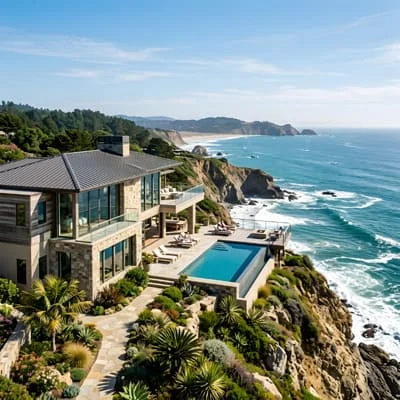
Such design choices merge functionality with a human-centered experience, reinforcing the home’s overall resilience.
Infrastructure and Utilities Adapted to Coastal Environments
Infrastructure planning must address the unique demands of coastal sites, including salt corrosion and flood risk. Utilities such as electrical, plumbing, and HVAC systems require protective measures like elevated placement and weatherproofing. Using durable conduit materials and corrosion-resistant fittings extends system longevity.
Drainage infrastructure must efficiently handle heavy rainfall events without harming the site. Additionally, integrating renewable energy sources and water-saving technologies aligns with sustainable coastal living.
Adapted infrastructure ensures operational reliability and minimizes environmental impact in sensitive coastal zones.
Cost-Effective Solutions for Coastal Residential Projects
Value Engineering Without Compromising Quality
- Selecting locally sourced, durable materials
- Standardizing components to reduce custom fabrication
- Implementing modular construction techniques
- Optimizing building envelope for energy efficiency
Value engineering aims to balance cost and quality by refining design and construction methods. Utilizing locally available materials reduces transportation costs and supports regional economies. Standardizing components simplifies construction, reducing labor time and waste.
Modular construction offers precision and efficiency, minimizing delays and errors. Enhancing the building envelope through insulation and airtightness decreases energy consumption, lowering operational costs.
These approaches provide financially responsible pathways to resilient coastal homes.
Cost Comparison of Coastal Foundation Types
| Foundation Type | Suitability | Estimated Cost (per sq ft) |
|---|---|---|
| Pile Foundation | Ideal for sandy, unstable soils | $20 – $35 |
| Slab on Grade | Suitable for stable, elevated sites | $10 – $20 |
| Pier and Beam | Elevates structure for flood protection | $15 – $30 |
Choosing the right foundation is a major factor in project cost and durability. Pile foundations provide excellent stability in shifting coastal soils but come at a higher price. Slab-on-grade foundations are more economical but require suitable site conditions to prevent flooding.
Pier and beam foundations elevate the home, offering flood protection and ventilation at moderate costs. This cost comparison guides optimal foundation selection aligned with site challenges and budget.
Leveraging Incentives and Grants for Coastal Projects
Various government programs and organizations offer financial incentives to support resilient and sustainable coastal construction. These may include grants for renewable energy installations, tax credits for energy-efficient building systems, and funding for storm mitigation measures. Engaging with local and federal agencies early can unlock these benefits, offsetting upfront costs.
Additionally, collaborating with environmental nonprofits may provide access to resources and expertise that enhance project outcomes. Awareness and utilization of such programs promote responsible investment in coastal residential architecture.
Proactive financial planning that includes available incentives maximizes value while addressing site and environmental challenges.
Innovative Materials and Technologies for Coastal Resilience
Advanced Composite Materials in Coastal Construction
Composite materials such as fiberglass-reinforced polymers offer exceptional resistance to saltwater corrosion, UV exposure, and mechanical stress. Their lightweight nature simplifies installation and reduces structural loads.
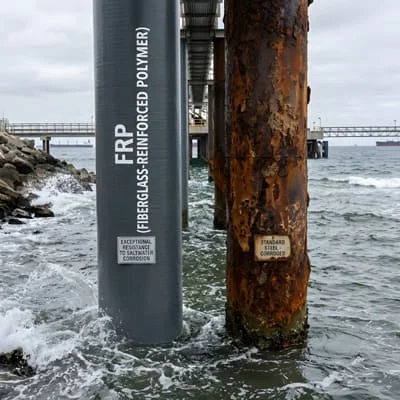
These materials are increasingly used for cladding, decking, and structural components where traditional materials fail to perform.
Their durability and low maintenance requirements align well with calm, intentional design principles, providing longevity without sacrificing aesthetics.
Adoption of composites represents a forward-looking approach to coastal architecture challenges.
Architects leveraging these materials can deliver homes that withstand environmental wear and maintain high performance over time.
Smart Home Systems for Coastal Environments
Integrating smart technologies enhances safety, comfort, and energy management in coastal residences. Automated systems monitor weather conditions, adjust HVAC ( Heating, Ventilation , Air conditioning ) settings, and control lighting to optimize energy use.
Remote monitoring alerts homeowners to potential flood or wind damage, enabling rapid response.
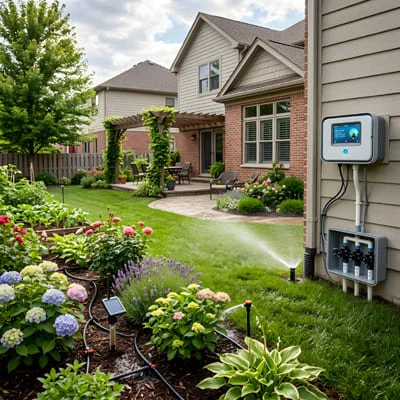
Smart irrigation systems reduce water waste, while energy storage solutions support resilience during outages.
These technologies embody a human-centered focus, enabling occupants to live more comfortably and sustainably within challenging coastal contexts.
Such innovation complements architectural design by adding layers of adaptability and control.
Natural and Passive Design Techniques
Passive design strategies harness natural forces to regulate indoor environments without mechanical intervention. This includes optimizing building orientation, incorporating thermal mass, and utilizing natural ventilation.
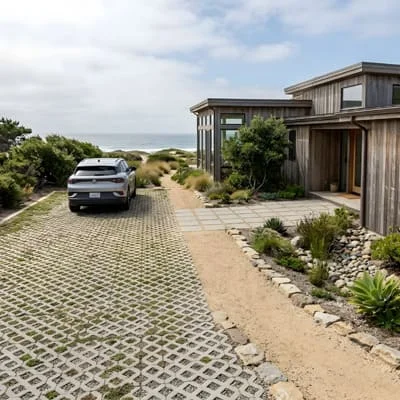
Coastal homes benefit from large overhangs and shading devices that reduce solar heat gain while maximizing daylight.
Utilizing permeable site surfaces promotes groundwater recharge and reduces runoff.
These techniques reduce environmental impact and support a slow, intentional lifestyle that respects the coastal site’s rhythms.
Passive design remains a fundamental component of climate-aware and sustainable coastal architecture.
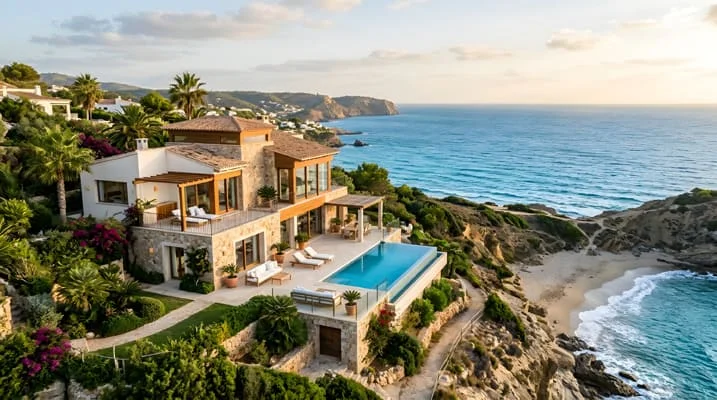
A house in a coastal site
Understanding the complexities of site, challenges, and price is essential for successful coastal residential architecture. Thorough site analysis, innovative design strategies, and careful budgeting ensure that homes not only withstand coastal conditions but also enrich the lives of their occupants.
By integrating resilience, sustainability, and human-centered principles, architects can create coastal residences that are calm, intentional, and deeply connected to their environment. Embracing these factors prepares homeowners and professionals to meet the demands of coastal living with confidence and foresight.
Frequently Asked Questions (FAQ)
What Are the Main Challenges When Building on Coastal Sites?
Coastal construction faces challenges such as flooding, erosion, salt corrosion, wind damage, and strict regulatory requirements. These factors demand specialized design and materials to ensure durability and compliance, impacting cost and project complexity.
How Does the Coastal Environment Affect Construction Costs?
Costs rise due to the need for elevated foundations, corrosion-resistant materials, specialized labor, and extended permitting processes. Mitigating environmental risks and adhering to regulations require additional investment compared to inland projects.
What Materials Are Best Suited for Coastal Residential Buildings?
Materials like fiber cement siding, marine-grade stainless steel, and treated wood offer durability against moisture, salt, and wind. Selecting appropriate materials reduces maintenance and extends the building’s lifespan in harsh coastal climates.
How Can Smart Home Technology Benefit Coastal Residences?
Smart systems enhance safety by monitoring weather and structural conditions, optimize energy use through automation, and improve water management. These technologies support occupant comfort and resilience during coastal weather events.
Are There Financial Incentives for Sustainable Coastal Construction?
Yes, various governmental and environmental programs offer grants, tax credits, and other incentives for energy-efficient, resilient coastal building projects. These can offset costs and encourage sustainable design and construction practices.
For further reading on coastal construction standards and sustainable design, visit the Federal Emergency Management Agency (FEMA) and the U.S. Green Building Council.

Architect with extensive experience in residential and commercial design, including renovations and modular construction. Love to share information about Architecture, home and lifestyle in this blog.