
Last updated on October 16th, 2026 at 05:07 pm
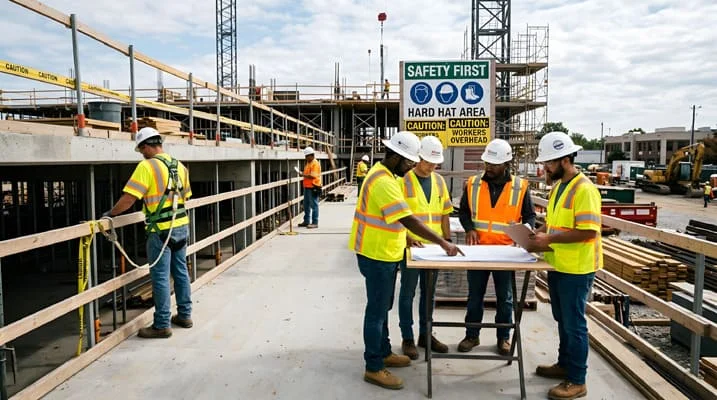
Construction is far more than assembling materials; it is a complex, human-driven process that shapes the environments where people live, work, and thrive. The culture of safety and the well-being of workers on construction sites directly influence not only productivity but also the quality and sustainability of the built environment. Understanding the intricate relationship between safety protocols, human factors, and site management is essential to advancing residential construction practices that respect both people and the planet.
In residential construction, where homes are meant to serve as long-term shelters and spaces of comfort, fostering a safety culture that prioritizes human well-being is critical. This article explores how safety culture integrates with everyday site realities, climate-conscious design, and architectural intention, offering a grounded perspective on improving construction processes in a way that honors the humanity behind every project.
The Essentials of Safety Culture and Human Well-Being on Construction Sites
- A strong safety culture on construction sites reduces accidents significantly and improves worker morale and retention, which directly impacts project timelines and quality.
- Human well-being in construction goes beyond physical safety to include mental health, ergonomics, and creating environments that support workers’ dignity and resilience.
- Integrating climate-aware construction methods demands a safety approach that considers new materials, technologies, and site conditions, requiring continuous education and adaptation.
- Leadership commitment and clear communication on site are the keystones to embedding safety as a core value rather than a checklist item.
- Despite established protocols, safety culture must remain flexible to accommodate the unpredictable nature of construction work and the diversity of human factors involved.
How Safety Culture Shapes Residential Construction Sites
Safety culture in construction refers to the shared values, beliefs, and practices that prioritize safety in every aspect of site operations. It is not merely compliance with OSHA regulations or mandatory protective gear; it encompasses the attitudes and behaviors that collectively reduce risk and enhance well-being. In residential projects, this culture is crucial because the work often occurs in dynamic, confined spaces where hazards multiply and human interactions are constant.
Practically, instilling a safety culture means fostering ownership among workers at all levels—from laborers to site managers—so safety becomes integral to decision-making. For example, crews who feel empowered to halt work when conditions are unsafe prevent accidents before they happen. This culture emerges through continuous training, transparent incident reporting, and leadership that models safety-conscious behavior.
“The difference between a compliant site and a truly safe one lies in whether safety is embedded in the culture or treated as an afterthought.”
Residential construction also involves subcontractors and trades with varying safety standards. Creating a unified safety culture requires deliberate coordination and clear communication channels. In my experience managing multi-trade teams, sites that conduct joint safety meetings and share hazard assessments see fewer incidents and smoother workflows.
Human Well-Being: Beyond Physical Safety in Construction
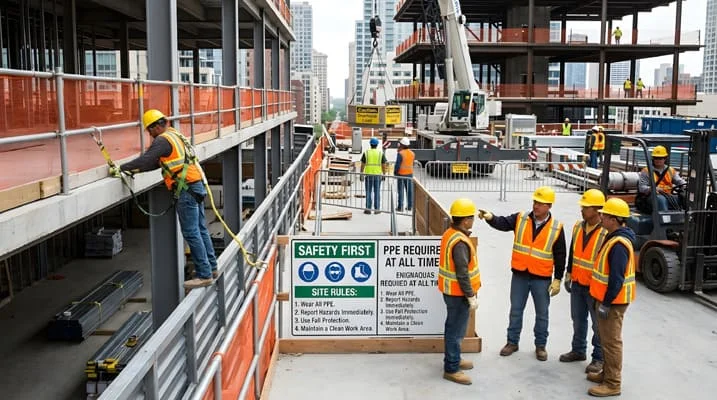
Human well-being on construction sites includes mental health support, ergonomic practices, and environmental conditions that affect workers’ overall health. Construction is physically demanding and mentally stressful, leading to fatigue, injuries, and burnout if not managed thoughtfully. Recent studies from the National Institute for Occupational Safety and Health (NIOSH) highlight that construction workers report higher rates of anxiety and depression compared to other industries.
Addressing well-being means more than providing personal protective equipment (PPE). It involves designing workflows that reduce repetitive strain, allowing adequate rest breaks, and fostering a social environment that recognizes the psychological challenges of construction work. For example, shade structures and hydration stations on hot days mitigate heat stress, while peer support programs encourage open conversations about mental health.
Furthermore, ergonomic interventions in tool selection and material handling reduce musculoskeletal injuries, which account for a significant portion of construction-related disabilities. Integrating these considerations into site planning reflects a holistic approach to worker welfare that benefits project outcomes.
Climate-Aware Construction and Its Impact on Safety Protocols
As residential construction increasingly incorporates climate-resilient materials and sustainable technologies, safety protocols must evolve accordingly.
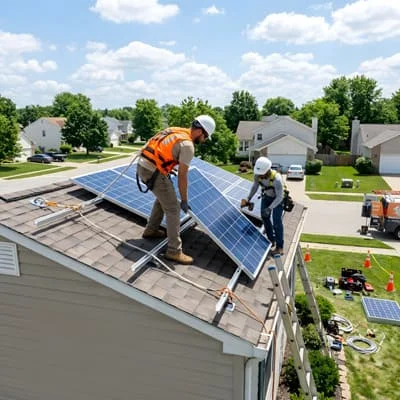
New insulation materials, solar panel installations, and green roofing systems introduce unfamiliar risks that require updated training and hazard mitigation strategies.
For instance, handling advanced composites or working at heights during solar array installation demands specialized knowledge. The Occupational Safety and Health Administration (OSHA) has expanded guidelines to address these emerging concerns, but practical implementation on the ground requires ongoing education and supervision.
Additionally, climate-aware construction often involves site conditions affected by weather extremes, such as heavy rain or high winds, which elevate the risk of accidents. Proactive risk assessments and flexible work schedules that respond to environmental factors enhance safety and protect human well-being.
“Climate-conscious building is inseparable from adaptive safety practices that anticipate and respond to changing conditions on site.”
Leadership and Communication as Foundations of Safety and Well-Being
Leadership commitment is the backbone of a robust safety culture. When supervisors prioritize safety transparently and consistently, it shapes worker behavior and site norms. This commitment is demonstrated through regular safety briefings, accessible reporting mechanisms, and recognition of safe practices.
Effective communication ensures that safety expectations are understood and that concerns are addressed promptly. Language barriers, varied literacy levels, and cultural differences can hinder safety messaging, especially on international or diverse residential projects. Employing multilingual materials, visual aids, and on-site translators can bridge these gaps.
In practice, I have observed that sites where workers trust leadership to act on safety reports experience higher engagement and fewer incidents. Safety becomes a shared responsibility rather than a top-down mandate, improving both human well-being and project quality.
Limitations and Nuances of Safety Culture in Construction
While a strong safety culture is vital, it is not a cure-all. Construction sites are inherently unpredictable, with changing conditions and human factors that defy rigid control. For example, emergency situations or tight deadlines can pressure workers to take risks despite protocols.
Moreover, cultural attitudes toward risk vary globally, influencing how safety messages are received and acted upon. A practice effective in one country might face resistance elsewhere.
Therefore, safety strategies must be adaptable and sensitive to local contexts.
Lastly, technology and automation promise safer processes but also introduce new challenges, such as reliance on equipment that may malfunction or the need for workers to acquire new skills.
Balancing innovation with human-centered safety remains an ongoing challenge.
What to Do Next: Implementing a Human-Centered Safety Culture
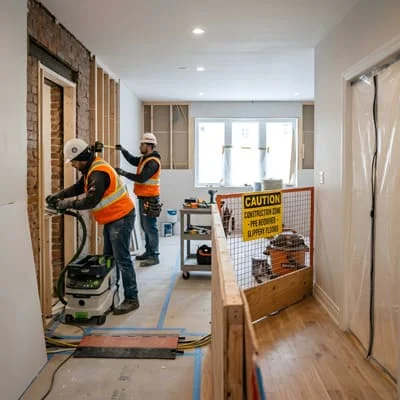
Integrating a safety culture that genuinely supports human well-being in residential construction requires deliberate action. Begin by assessing current site practices through worker feedback and safety audits. Invest in continuous education tailored to your team’s specific needs and the climate-aware materials and methods you employ.
Prioritize leadership development focused on transparent communication and responsiveness. Promote ergonomics and mental health resources as essential components of well-being, not optional extras. Finally, remain flexible to adapt safety protocols as projects evolve and new challenges arise.
Taking these steps will enhance not only the safety outcomes but also the quality and sustainability of residential construction, aligning project goals with the human experience at every phase.
Frequently Asked Questions (FAQ)
What Defines a Strong Safety Culture on Construction Sites?
A strong safety culture is characterized by shared values and behaviors that prioritize safety beyond compliance. It involves active participation from all team members, transparent communication, continuous training, and leadership commitment. This culture empowers workers to identify hazards and stop unsafe work, reducing accidents and fostering trust on site.
How Does Human Well-being Extend Beyond Physical Safety in Construction?
Human well-being includes mental health, ergonomic practices, and supportive environments. Construction workers face physical strain and psychological stress, so well-being initiatives address fatigue, injury prevention, and mental health support. Ergonomics reduces musculoskeletal injuries, while social programs improve resilience and worker satisfaction.
Why is Climate-aware Construction Important for Safety Protocols?
Climate-aware construction introduces new materials and site conditions that present unique risks. Safety protocols must adapt to handle these innovations and environmental challenges like extreme weather. Continuous education and flexible scheduling help mitigate these risks and protect workers effectively on climate-conscious projects.
What Role Does Leadership Play in Fostering Safety Culture?
Leadership sets the tone for safety culture by consistently prioritizing safety and well-being. Effective leaders communicate expectations clearly, respond to concerns, and recognize safe behavior. Their commitment encourages workers to embrace safety as a shared responsibility, improving site morale and reducing incidents.
Are There Limitations to Implementing Safety Culture in Construction?
Yes, construction sites are dynamic and unpredictable, which limits the reach of safety culture. Time pressures, cultural differences, and evolving technologies require adaptable safety approaches. Not all strategies work universally, so continuous evaluation and local sensitivity are essential for effective safety management.

Architect with extensive experience in residential and commercial design, including renovations and modular construction. Love to share information about Architecture, home and lifestyle in this blog.