Last updated on September 14th, 2026 at 05:26 pm
Luxury in residential living has evolved beyond mere opulence and extravagant decoration. Today, it embodies a deliberate blend of quality, sustainability, and human-centric design that responds to how people truly experience their homes. This shift reflects a broader awareness of environmental impact and a desire for calm, intentional spaces that support well-being and lasting value rather than flashy trends.
Understanding luxury in this context means appreciating the architectural integrity, material authenticity, and thoughtful integration with the environment. It’s about how a residence supports a lifestyle—offering comfort, privacy, and a connection with nature—while respecting climate realities and fostering a sense of timelessness. This article explores the new meaning of luxury in residential living, grounded in practical experience and architectural insight.
The Core Takeaways on Modern Residential Luxury
- True luxury now prioritizes sustainable materials and energy-efficient design over superficial extravagance.
- Human-centered architecture creates spaces that adapt to actual living patterns, enhancing comfort and functionality.
- Climate-aware planning is essential, with luxury homes incorporating passive strategies that reduce environmental footprint.
- Architectural authenticity—honesty in structure and material choice—distinguishes genuine luxury from mere decoration.
- Luxury in housing is increasingly defined by slow, intentional design processes that value quality over quantity and immediacy.
How the New Meaning of Luxury in Residential Living Reflects Sustainability and Human-Centered Design
Luxury traditionally conjured images of grandiose façades and elaborate interiors, but the contemporary definition is rooted in responsibility and mindfulness. From an architectural standpoint, luxury now means designing homes that respect their environments and enhance inhabitants’ daily lives. This approach integrates passive solar design, natural ventilation, and durable, locally sourced materials—elements that minimize ecological impact while maximizing comfort.
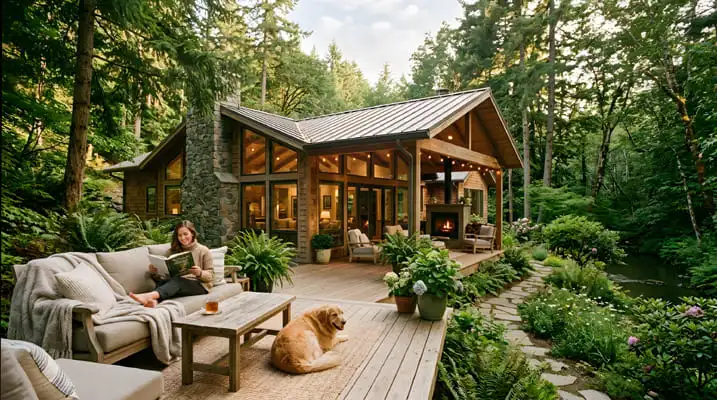
Human-centered design plays a crucial role in redefining luxury. It moves beyond aesthetics to focus on usability, adaptability, and emotional resonance.
Homes become tailored to individual routines and social needs, offering flexible spaces that support work, leisure, and family life without excess or waste.
This nuanced approach challenges the conventional luxury standards, advocating for spaces that age gracefully and foster well-being.
“The difference between luxury and mere extravagance appears when a home aligns with its environment and inhabitants, creating enduring value rather than fleeting spectacle.”
Key Architectural Elements That Define Contemporary Luxury Residences
There are several architectural principles that shape the modern luxury home.
First, authenticity in materials and construction ensures a sense of permanence and integrity. Natural stone, sustainably harvested wood, and non-toxic finishes communicate quality beyond surface appeal.
Second, spatial fluidity allows for open, connected areas that adapt to varied uses, reflecting actual living habits.
Third, integration with the landscape—whether through large operable windows, seamless indoor-outdoor transitions, or gardens designed for local ecology—anchors luxury in place and climate.
Finally, smart home technologies, when used judiciously, enhance comfort and efficiency without overwhelming the design or the user experience. Together, these elements create a residence that is both luxurious and sensible.
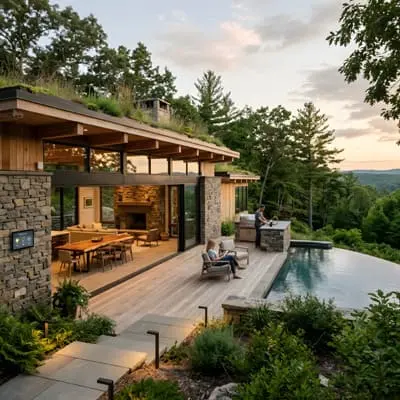
The Role of Climate-Awareness in Shaping Luxury Residential Architecture
Climate-aware design is no longer optional for high-end residences; it is a defining feature. This means orienting buildings to optimize natural light and heat, employing shading devices, and using thermal mass to regulate indoor temperatures. For example, in hot climates, luxury homes might incorporate deep overhangs and cross ventilation, while in colder regions, high-performance insulation and triple-glazed windows are essential.
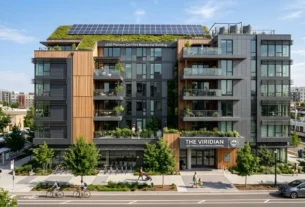
Moreover, water conservation and renewable energy systems, such as solar panels or geothermal heat pumps, are increasingly standard in luxury developments. These elements not only reduce environmental impact but also add to the home’s resilience and operational cost savings. While these strategies represent best practices, they must be tailored to specific sites, as a one-size-fits-all approach risks undermining both luxury and sustainability.
Why Slow and Intentional Design Processes Elevate Residential Luxury
The movement towards slow design in luxury residential projects reflects a commitment to quality and depth. Unlike fast-tracked developments that prioritize speed and immediate return, slow design emphasizes careful material selection, craftsmanship, and contextual study.
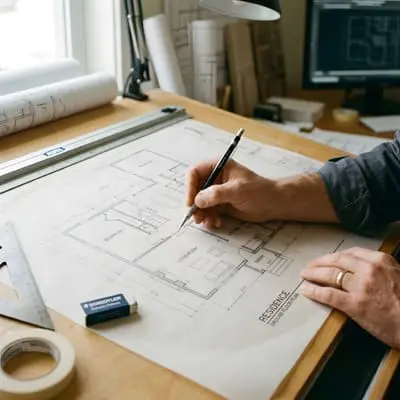
This process allows architects and clients to explore how a home will function over time and how it can respond to changing needs.
In practice, slow design results in homes that feel timeless rather than trendy, with details that reveal thoughtful intention.
This approach also supports sustainability goals by reducing waste and promoting longevity—qualities that align perfectly with the revised values of luxury.
People who live in homes conceived through this process often report a deeper connection to their environment and a greater sense of satisfaction.
Challenges and Nuances in Defining Luxury for Today’s Residential Market
Despite clear trends, defining luxury remains complex and context-dependent. Economic factors, cultural expectations, and regional climates introduce variations that resist universal definition. For instance, features considered luxurious in one market—such as expansive square footage—may be impractical or environmentally irresponsible elsewhere.
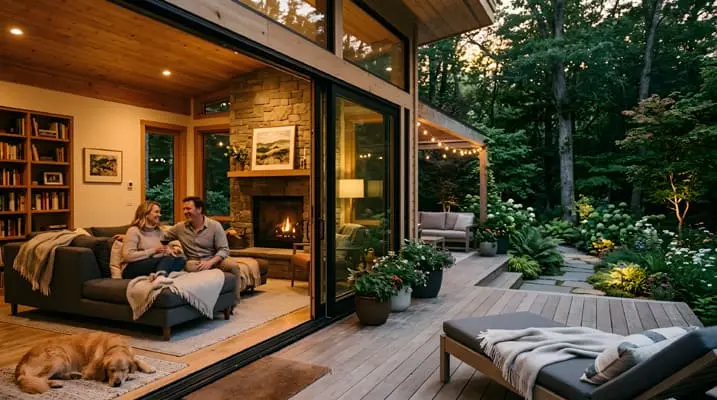
Additionally, some luxury developments struggle to balance exclusivity with accessibility, risking alienation or unsustainable consumption. The best examples of modern luxury navigate these tensions by embedding flexibility and empathy into design. However, it is crucial to acknowledge that not all luxury solutions are scalable or appropriate in every setting, underscoring the need for tailored approaches.
“Luxury in residential architecture is less about scale and more about the intelligence of design decisions that respect people and planet.”
Practical Steps to Embrace the New Luxury in Residential Living
For homeowners, designers, and developers aiming to align with this evolved concept of luxury, the first step is to prioritize quality over quantity and to engage with climate-specific strategies early in the design process. This includes selecting materials with proven durability and low environmental impact and designing spaces that reflect how residents actually use their homes.
Consulting with experts in sustainable architecture and human-centered design can uncover opportunities to enhance comfort and efficiency. Additionally, embracing technologies that support energy management without compromising the home’s character is vital. These actions lead to residences that offer lasting value and genuine luxury, beyond surface impressions.
Frequently Asked Questions (FAQ)
What Distinguishes Modern Luxury Homes from Traditional Luxury Residences?
Modern luxury homes prioritize sustainability, functionality, and human-centered design over purely decorative or extravagant features. Unlike traditional luxury, which often emphasized size and ornate details, contemporary luxury focuses on material authenticity, climate responsiveness, and spaces tailored to real living patterns, delivering lasting comfort and environmental responsibility.
How Does Climate-aware Design Impact the Cost and Value of a Luxury Home?
Climate-aware design can increase upfront costs due to specialized materials and systems but typically reduces long-term operational expenses by improving energy efficiency and resilience. This approach enhances property value by addressing growing buyer concerns about sustainability and future-proofing, making it a wise investment in many markets.
Can Luxury Homes Be Environmentally Sustainable Without Compromising Aesthetics?
Yes. Sustainable luxury integrates eco-friendly materials and technologies seamlessly with architectural design. Thoughtful choices like reclaimed wood, natural ventilation, and renewable energy systems can enhance a home’s beauty and comfort, proving that environmental responsibility and aesthetic appeal are not mutually exclusive.
Why is Slow Design Important in Achieving True Luxury?
Slow design fosters careful consideration of materials, craftsmanship, and context, resulting in homes that age gracefully and meet occupants’ evolving needs. This process reduces waste and aligns with sustainable principles, offering a depth and authenticity that distinguish true luxury from fleeting trends.
Are Smart Home Technologies Essential for a Luxury Residence Today?
While not mandatory, smart technologies often enhance luxury homes by improving comfort, security, and energy management. However, their integration should be subtle and user-friendly to avoid overwhelming occupants or detracting from the home’s architectural integrity. Thoughtful application is key to balancing tech with timeless design.

Architect with extensive experience in residential and commercial design, including renovations and modular construction. Love to share information about Architecture, home and lifestyle in this blog.